Africa’s worsening floods, droughts and heatwaves are increasingly being described as “loss and damage” from climate change.
However, a new report argues that much of the suffering reflects something that came before the disasters, a failure to adequately finance and deliver adaptation.
The report by Nairobi-based Power Shift Africa says communities across Africa are paying the price for adaptation that was promised but delayed, underfunded or designed without sufficient input from the people facing climate risks.
Titled A Just Transition for Adaptation: A Framework and Vision for Africa, the report calls for a fundamental shift in how adaptation is understood—from building isolated projects to changing the economic and political systems that leave communities vulnerable to climate shocks.
It argues that Africa’s vulnerability is not accidental but has been shaped by historical and continuing inequalities, including colonial extraction, unequal trade, debt dependency and the exclusion of <a href="https://absafricatv.com/the-north-african-people-with-a-forgotten-christian-heritage/” title=”The North African people with a forgotten Christian heritage”>African communities from decisions over climate finance.
“Africa’s vulnerability was produced by human decisions, which means different decisions can undo it,” said Mohamed Adow, founder and director of Power Shift Africa.
“What our communities are living through is not simply loss and damage, but failed adaptation.”
The report estimates that Africa requires nearly $70 billion annually for adaptation, yet international adaptation finance stood at only about $14 billion in 2021–2022.
This means African governments are increasingly spending their own scarce reely little to the emissions driving global warming
The financing gap is occurring alongside mounting debt pressures. The report estimates that African countries carry about $746 billion in debt, with average interest rates of around 9.8 per cent, compared with about 2.5 per cent in the United States.
“Nearly 60 per cent of Africans live in countries spending more on debt servicing than on health and education, the report says. For countries already struggling to finance basic public services, the cost of preparing for more extreme weather can therefore become another burden,” reads part of the report.
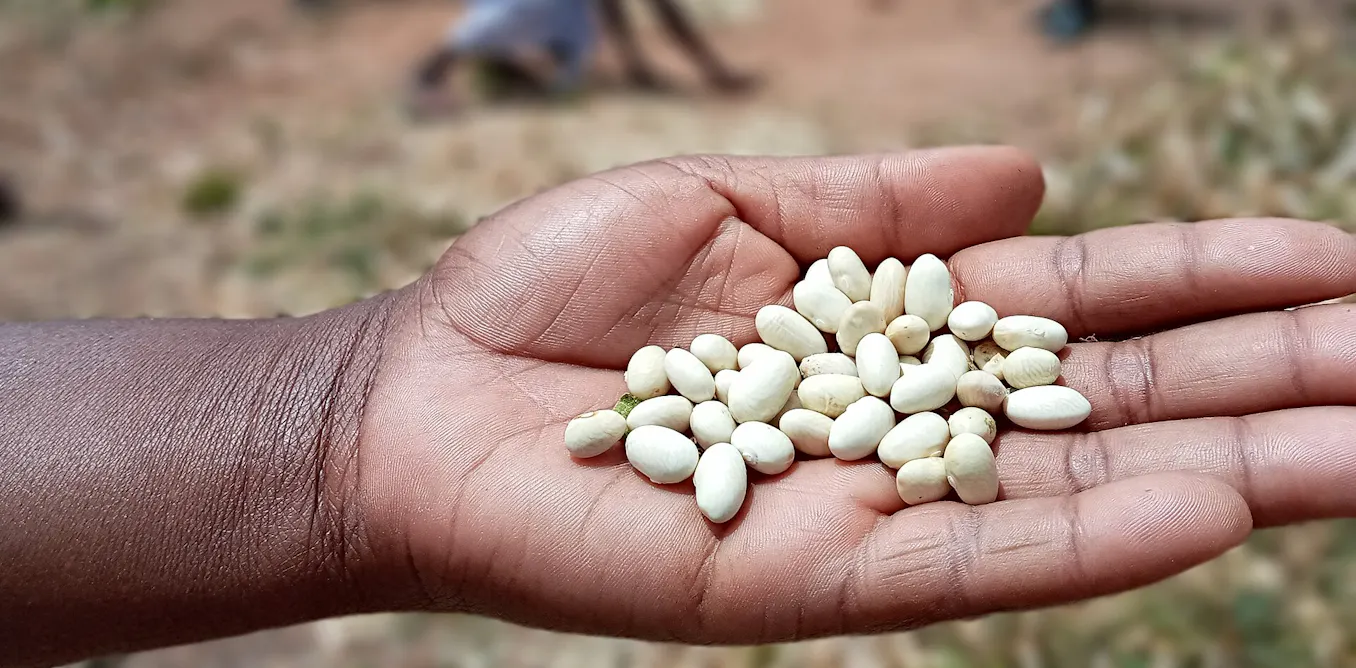
The report argues that adaptation should not simply mean constructing flood barriers, distributing drought-resistant seeds or installing early-warning systems.
Such interventions can save lives and reduce losses, but the authors say they cannot fully address the conditions that make communities vulnerable in the first place.
It proposes what it calls a “Just Transition for Adaptation” a justice-centred approach that changes how adaptation is planned, financed, governed and implemented.
“The approach is built around four dimensions of justice: recognitional, procedural, distributive and restorative justice. That means recognizing the knowledge and rights of communities, giving them a meaningful role in decisions, ensuring adaptation ret have contributed to present-day vulnerability,” reads another part of the report
One of the report’s major criticisms is that adaptation decisions are often made far from the communities expected to live with their consequences. Indigenous and local knowledge, it says, is still systematically excluded from climate science and policymaking, despite communities having generations of experience responding to changing weather conditions.


Ndivile Gugushe, Southern Africa coordinator at the Pan African Coalition on Adaptation and Resilience, said communities have been adapting for generations using knowledge that formal systems often fail to recognize.
“No community adapts alone,” Gugushe said, pointing to practical examples such as schools doubling as emergency shelters, clinics remaining operational during disasters and early-warning information reaching pastoralists before hazards strike.
The report calls for free, prior and informed consent and locally led governance to become central to adaptation decisions. It also recommends that indigenous and local knowledge be treated on equal terms with scientific knowledge when adaptation policies and projects are designed.
The report also takes aim at the growing reliance on loans to finance adaptation. It calls for adaptation finance to be predictable, additional, accessible and grant-based, arguing that countries already facing high debt burdens should not be pushed further into debt simply to protect their populations from a climate crisis they contributed little to creating.
Lina Adil, a climate finance policy adviser at Germanwatch, said the current financial system risks reinforcing the vulnerability it is supposed to address.
“Africa’s vulnerability is not a coincidence,” she said, arguing that debt and financial dependency continue to constrain countries’ ability to respond to climate impacts.
The report identifies debt cancellation and debt relief as potential adaptation measures, saying debt burdens can limit governments’ ability to invest in resilience.
The findings come as governments prepare for the next phase of international climate negotiations. At COP31 in Antalya, Türkiye, in November, countries are expected to continue discussions on the Global Goal on Adaptation and the Just Transition Work Programme, while facing pressure to translate commitments on adaptation finance into concrete action.
The report’s authors say Africa should not be viewed solely as a continent vulnerable to climate change but also as acan technological capacity, ensuring technology transfer is based on co-ownership rather than dependence, and allowing African countries to develop and retain their own adaptation capabilities