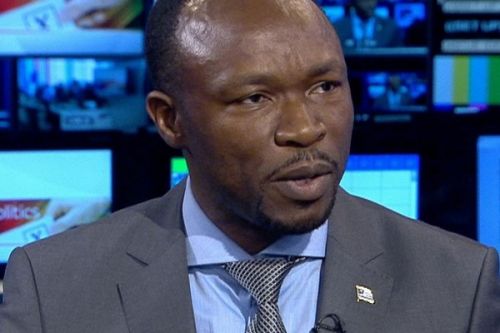
OSLO, Norway — (ABS NEWS) After more than two years in Norwegian custody, Ambazonian separatist leader Ayaba Cho Lucas is scheduled to stand trial on November 24, bringing allegations of wartime responsibility in Cameroon into an Oslo courtroom.
The proceedings at Oslo District Court are expected to continue until March 19, 2027. Known in Norwegian records as Cho Lucas Yabah, he faces allegations of complicity in war crimes and terrorist acts, with a potential prison sentence of up to 30 years. He denies wrongdoing.
His arrest on September 24, 2024, marked a dramatic turn for a political figure campaigning from Europe for an independent Ambazonia in Cameroon’s English-speaking regions. Norwegian police initially investigated suspected incitement to crimes against humanity. The following day, authorities publicly confirmed the arrest and sought court approval to keep him in custody while investigators pursued the case.
His lawyer, Morten Engesbak, opposed detention from the outset. He told Reuters that his client was cooperating with investigators and believed the allegations rested on a misunderstanding of both the conflict and his role in it.
Detention became a prolonged prelude to trial. Ayaba has remained in pretrial custody since his arrest, while investigators examined whether his activities in Europe connected him criminally to violence thousands of kilometres away in Cameroon. His incarceration is not a conviction; the allegations now proceed to examination in court.
At the centre of the prosecution’s case is a digital trail. Prosecutor Carl Fredrik Fari told Norwegian newspaper VG that WhatsApp messages recovered from Ayaba’s phones and other electronic devices constitute the most significant evidence.
Investigators’ theory is that he directed armed groups in Cameroon from Europe, including through WhatsApp groups. The courtroom contest will therefore turn on what those communications establish about his conduct and responsibility. Political influence and criminal participation are questions the proceedings must distinguish.
The investigation has also narrowed. Norway’s Director of Public Prosecutions dropped the crimes-against-humanity allegation on evidential grounds, concluding that it could not be proved beyond reasonable doubt. That decision did not end the case: prosecutors are pursuing the separate war-crimes and terrorism allegations.
Behind the Norwegian proceedings lies Cameroon’s unresolved Ambazonia conflict. Fighting between separatists and government forces developed in 2017 amid grievances over the treatment of the English-speaking minority by the predominantly French-speaking authorities. Human rights organisations have documented grave abuses attributed to government troops, militias and separatist fighters.
Ayaba’s defence places that political history at the centre of its response. In a November statement, his lawyers described him as the elected political leader of the Ambazonia Governing Council, or AGovC. They said he stands by his advocacy for independence and self-determination but denies committing acts that attract criminal responsibility.
The defence argues that the case must be understood against decades of discrimination, repression and failed political dialogue. It says the trial offers an opportunity to present the conflict’s wider context.
For Ayaba, November 24 marks the transition from an extended investigation to a public contest over evidence. For those affected by Cameroon’s conflict, it opens a closely consequential examination of how responsibility for violence may extend beyond the battlefield.
The court’s task will be to determine whether prosecutors can prove the specific criminal allegations against him. Neither his political prominence nor the length of his detention answers that question.