



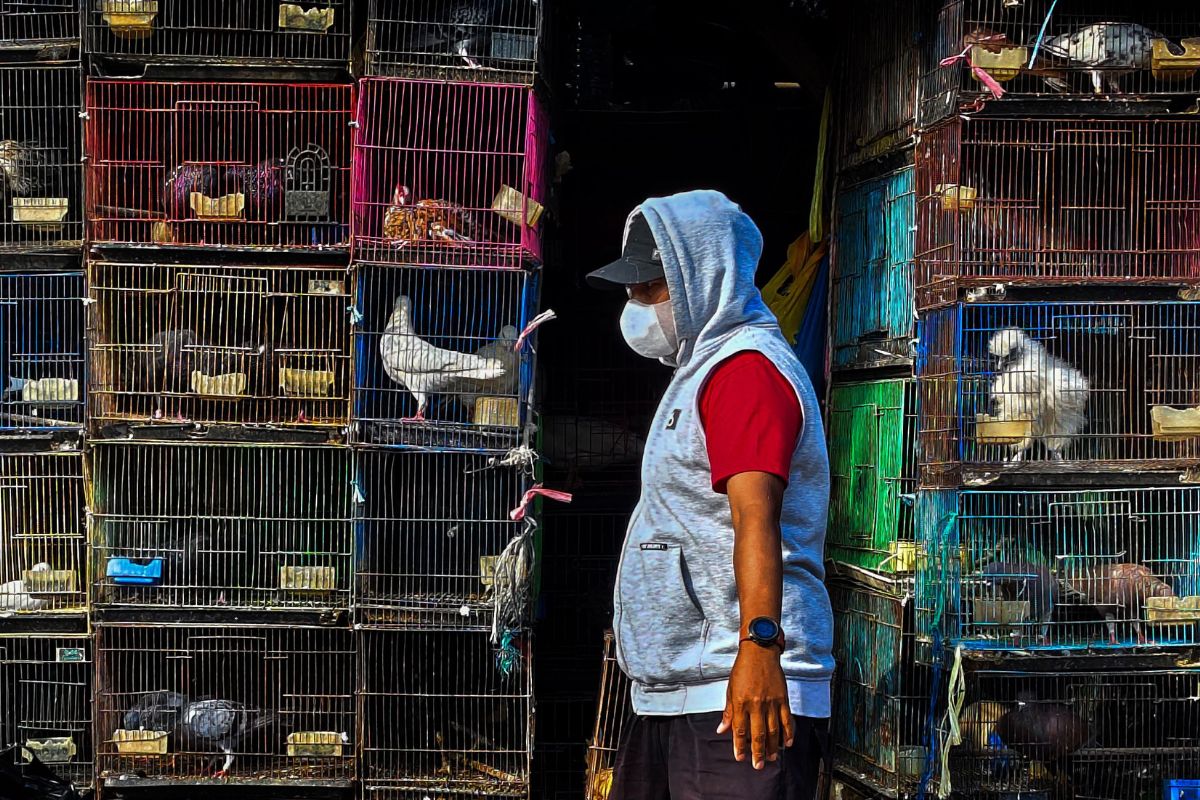
Bird flu H5N1 follows Hanta virus and Ebola alerts, raising concern, but experts say South Africa’s risk remains low. Image: Pexels
Bird flu after Hanta virus and Ebola: Should SA worry this time?
Bird flu H5N1 follows Hanta virus and Ebola alerts, raising concern, but experts say South Africa’s risk remains low
By
Mariana Balt
30-06-26 15:13
in
Health
Bird flu H5N1 follows Hanta virus and Ebola alerts, raising concern, but experts say South Africa’s risk remains low. Image: Pexels


Bird flu has followed Hanta virus and Ebola alerts in recent months, raising questions in South Africa about what comes next
Health agencies track these outbreaks with shared datasets, so each signal gets compared across regions and species
This context matters because global travel and wildlife migration connect disease patterns in ways that affect risk perception locally
Health agencies also update guidance quickly, so public messaging changes when evidence shifts
BIRD FLU AFTER RECENT VIRUSES: WHAT IS DIFFERENT
Hanta virus outbreakslinked to rodent exposure raised concern earlier in the year
Ebola alerts followedregional spillover risks in parts of Africa shortly after
H5N1 bird flu belongs to influenza A and the clade 2.3.4.4b lineage. It first emerged in Europe around 2020 after earlier identification in 1996 in China
It has now spread across Africa, Asia, Europe, North and South America, and Antarctica. Surveillance data show ongoing expansion since 2020
This spread has not created uniform human risk, so health authorities separate wildlife outbreaks from community transmission risk assessments. Because of this, countries maintain separate surveillance for wildlife and human clusters
WHAT H5N1 DOES AND HOW IT SPREADS
Bird flu spreads through saliva and faeces, so migratory birds carry it across long distances. They can infect hundreds of wild bird species
It has infected more than 50 mammal species like seals, foxes, sea lions, cats, dogs, and cattle because cross-species exposure increases in shared environments
Australia confirmed the virus in June 2026 in a seabird in Western Australia. Then another case appeared 1450 km away, which suggests wider distribution
Human infection remains uncommon, and most cases are linked to close contact with infected birds or livestock
In the 2024 US dairy outbreak, most cases were mild and involved conjunctivitis, but severe pneumonia still occurred in poultry exposure cases, and field monitoring increased after the US detection in 2024
HUMAN RISK AND WHAT SCIENTISTS SAY
No sustained human-to-human transmission has been confirmed because the virus does not bind efficiently to receptors in the human upper airway
However, each mutation remains under close surveillance. Researchers continue to test receptor adaptation in laboratory settings
SHOULD SOUTH AFRICA WORRY ABOUT BIRD FLU NOW
South Africa monitors acuses on early containment rather than public panic
Risk to the general public remains low according to global health agencies, but biosecurity rules in farming and wildlife management still apply
Each new spillover event gives the virus more opportunities to adapt, so monitoring continues across veterinary and human health networks. Veterinary alerts also link with food security planning across provinces today in South Africa
Tags:bird flufeaturedImportantSouth Africa





