



For many travellers, booking a weekend away is often as simple as choosing a destination and packing a bag, writes Miriam Kimvangu.
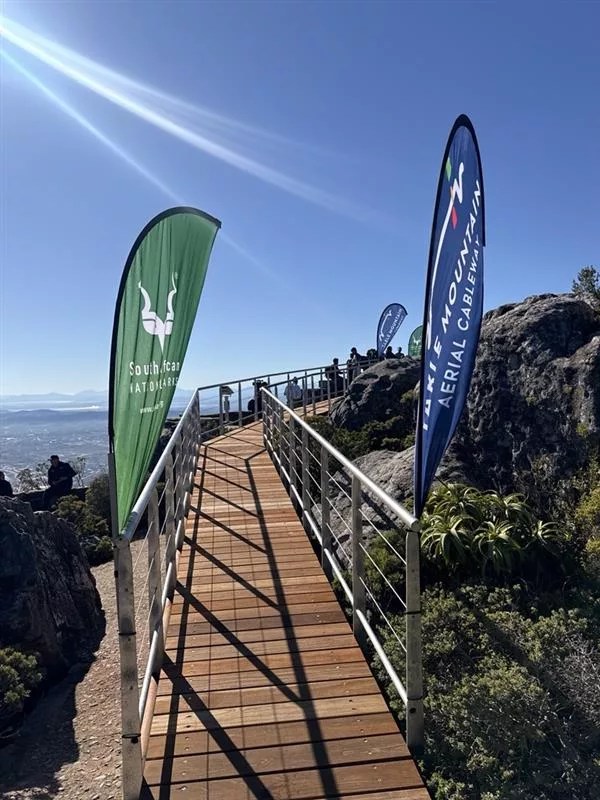
Table Mountain Universal Access Walkway/Supplied
A scenic hiking trail, a safari drive or a wine tasting experience may feel effortless to access. Yet for travellers living with disabilities, travel can involve a long checklist of considerations that many people rarely think about.
Can pathways accommodate wheelchairs? Are bathrooms accessible? Is accommodation designed with mobility needs in mind? Are staff trained to assist guests with varying accessibility requirements?
Across South Africa, the tourism industry is slowly beginning to answer these questions more thoughtfully. Accessible travel is becoming an increasingly important conversation within local tourism, with more destinations recognising that inclusive travel is not a niche offering. It is a necessary part of creating meaningful experiences for everyone.
While there is still significant progress to be made, a growing number of national parks, nature reserves and Cape Winelands destinations are adapting their facilities to become more disability-friendly. These changes are helping travellers with mobility challenges, sensory impairments and other accessibility needs enjoy experiences that many South Africans have long taken for granted.
Why accessible travel matters
Accessible tourism goes far beyond ramps and parking bays. It is about ensuring that travel experiences can be enjoyed with dignity, independence and comfort.
According to the World Health Organization, more than one billion people globally live with some form of disability. In South Africa, accessibility also intersects with ageing populations, temporary injuries and families travelling with elderly relatives or young children in prams. Features designed for accessibility often benefit a far wider group of travellers than initially expected.
Inclusive tourism also carries economic importance. Travellers with disabilities frequently travel with companions or family members, contributing to accommodation bookings, dining experiences, guided tours and local tourism economies. Destinations that invest in accessibility are opening their doors to a broader market while building more welcoming spaces.
Importantly, accessible travel allows people to participate in experiences that connect them with nature, culture and community. South Africa’s landscapes are among the country’s greatest assets, and greater accessibility ensures these spaces can be appreciated by more people.
National parks opening up the outdoors
South African National Parks has made notable strides in improving accessibility within several parks across the country. While not every trail or wilderness experience can be fully accessible due to terrain limitations, many parks now offer accommodation units and visitor facilities designed with mobility needs in mind.
South African National Parks, commonly known as SANParks, has introduced accessible chalets, rest camps and pathways at select destinations. Parks such as Kruger National Park feature adapted accommodation units with wheelchair-friendly bathrooms and ramps, allowing more visitors to enjoy one of Africa’s most iconic safari destinations.
In the Eastern Cape, Addo Elephant National Park has also become a popular option for accessible wildlife viewing. Certain accommodation units and viewing areas cater to travellers with mobility challenges, while self-drive game viewing allows visitors to experience wildlife encounters from the comfort of their vehicles.
Meanwhile, Table Mountain National Park offers more accessible ways to experience one of the country’s most recognisable natural landmarks. The lower sections of some visitor areas are easier to navigate, while the Table Mountain Aerial Cableway allows visitors with mobility limitations to access panoramic views without tackling steep hiking routes.
Nature reserves creating inclusive experiences
Beyond national parks, private nature reserves and conservation areas are also paying closer attention to accessibility.
In KwaZulu-Natal, sections of iSimangaliso Wetland Park have introduced accessible boardwalks and viewing points that allow visitors to experience coastal forests, wetlands and birdlife more comfortably. Boardwalk infrastructure can make a significant difference for wheelchair users and travellers with limited mobility, especially in sensitive natural environments where uneven terrain is common.
Some reserves are also adapting guided experiences to better accommodate guests. Game drives with accessible vehicles, sensory-friendly educational programmes and improved signage are helping create more inclusive outdoor experiences.
The rise of accessible nature tourism reflects a broader shift in how travellers engage with conservation spaces. Nature should not only be available to those who can climb steep trails or navigate rugged terrain. Accessibility allows more people to build connections with South Africa’s biodiversity and conservation efforts.
The Cape Winelands embracing accessibility
The Cape Winelands may be known for rolling vineyards and historic estates, but accessibility is increasingly becoming part of the visitor experience too.
Several wine farms in Stellenbosch and Franschhoek have upgraded tasting rooms, restaurants and accommodation facilities to improve accessibility. Smooth pathways, step-free entrances and accessible bathrooms are becoming more common at estates catering to diverse travellers.
Spier Wine Farm is often recognised for its spacious layout and accessible hospitality offerings, while estates such as Vergelegen Wine Estate feature accessible gardens, pathways and visitor facilities that allow guests to enjoy the scenery at a more relaxed pace.
Wine tourism is often associated with leisure and indulgence, but accessibility ensures that these experiences are not exclusionary. A simple wine tasting, picnic or garden stroll should be available to all visitors, regardless of mobility needs.
Progress with room for growth
Although South Africa’s accessible tourism landscape is improving, challenges remain. Accessibility information is not always clearly communicated online, and standards can vary widely between destinations. A venue may have accessible accommodation but lack suitable transport options or trained staff.
For travellers with disabilities, reliable information is often just as important as physical infrastructure. Clear communication around pathways, gradients, bathroom facilities and assistance services can help visitors plan with confidence.
The evolution of accessible travel in South Africa is ultimately about recognising that travel should not be limited by unnecessary barriers. From safari lodges to wine estates, the tourism industry is beginning to understand that inclusion benefits everyone.
As more destinations invest in thoughtful accessibility measures, South Africa moves closer to becoming a place where more travellers can experience its landscapes, wildlife and hospitality with greater freedom and dignity.
Follow us on social media for more travel news, inspiration, and guides. You can also tag us to be featured.
Instagram | Facebook | Twitter
ALSO READ:
Airlink launches first-ever direct flights between Cape Town and Zanzibar





