Migrants in South Africa lured into illegal mines and held in debt bondage
UA.NEWS20
September
2026
03:29
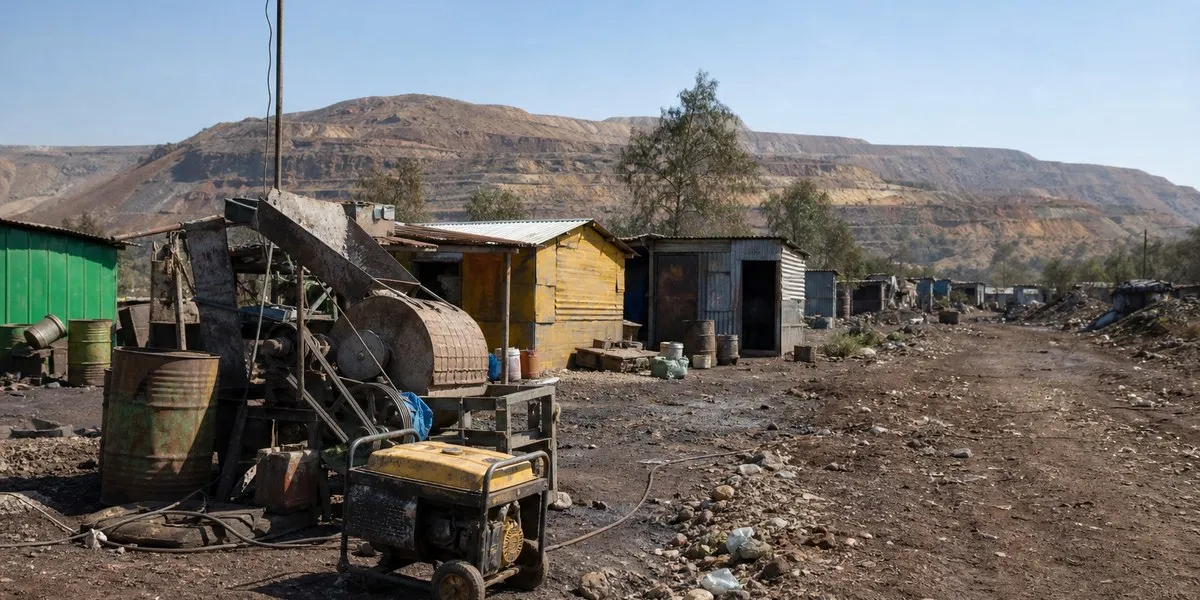
In the informal settlement of Mandleni in Ekurhuleni, South Africa, migrants from Lesotho, Mozambique and Zimbabwe were allegedly lured with promises of work and decent pay, then drawn into illegal mining through debt. This was citing an investigation by the Southern Africa Accountability Journalism Project
Onet after moving from Lesotho, his passport was taken from him allegedly for safekeeping. He was told that he owed 6,000 rand for travel, work clothes, accommodation and equipment. The man said he worked long shifts underground and, after asking to be allowed to return home, was beaten and was not paid for three weeks of work
Debts for accommodation and fuel
Anotherwork as a bricklayer but said he instead ended up in illegal mining. He claimed that transport and accommodation costs were recorded as debt, with charges for security, generators, fuel and food added to it
According to him, the weekly fuel charge was 250 rand. Unpaid amounts were entered into the records and added to the debt. The investigation notes that such a payment system could keep workers dependent on the organisers of illegal mining.
More current news is available on the UA.News Telegram channel Telegram.
Journalists also spoke to a 22-year-old woman from Lesotho who was allegedly recruited through a church WhatsApp group for work as a cook or cleaner in Carletonville. She said she was sexually abused in Mandleni, and that the group leader told her that the debt could only be repaid by providing sexual services to miners. According to her, clients paid the leader, while she received 450 rand per week.
Claims of possible police involvement
Several people interviewed claimed that police officers cooperated with the organisers of illegal mining. A guard at one of the mines said he was allegedly recruited by a police officer from Benoni, and that law enforcement officers purportedly received regular payments from miners and regional buyers.
The author of the investigation saw marked and unmarked police vehicles in Mandleni, but the purpose of the visits was not established, and the claims of collusion were not independently confirmed. South Africa’s Directorate for Priority Crime Investigation said it could neither confirm nor deny reports of forced labour, human trafficking or child exploitation without evidence of the relevant crimes. It also said that at that time it had no cases in which alleged victims had officially reported human trafficking or labour exploitation.