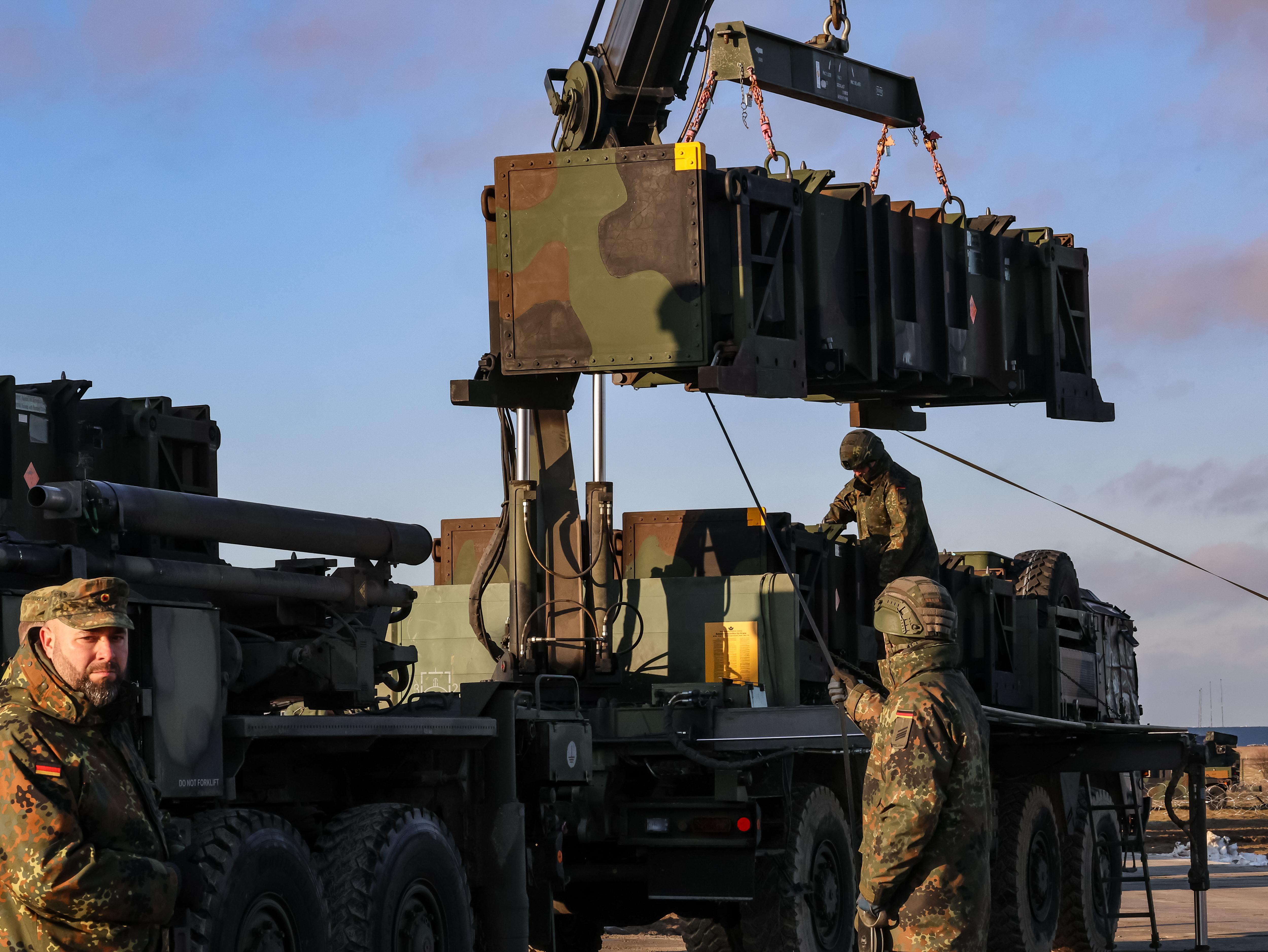
Russian President Vladimir Putin and Italian President Sergio Mattarella [Image Credit: Fabio Frustaci / Associated//Sky News]
- Bilateral trade between Italy and Libya saw a significant 44.9% increase in the first seven months of 2026, reaching nearly €6.8 billion.
- Italian exports to Libya doubled, with refined petroleum products making up 58.8% of total exports and non-energy sectors also growing.
- Italy became Libya’s largest foreign trading partner, supplying 17% of all Libyan imports and diversifying into sectors like construction materials and consumer goods.
- As a result, Russian fuel exports to Libya plummeted from 56,000 to about 5,000 barrels per day, with Italy now providing most of Libya’s imported fuel.
At the same time, Moscow has experienced a major loss of market share in North Africa as Libyan state energy authorities shift fuel procurement toward Western commodity traders and Mediterranean processing facilities.
Economic exchangesbetween Rome and Tripoli reached nearly €6.8 billion over the first seven months of 2026, marking a 44.9% increase compared to the same period in the previous year.
Italian exports to Libya doubled, rising 101.3% to €2.033 billion, cementing Italy’s status as Libya’s largest foreign trading partner with a 17% share of all imports.
While non-energy commercial sectors expanded, refined petroleum products remained the primary component of Italian sales, accounting for 58.8% of total exports.
Commercial diversification has also gained momentum across non-oil sectors.
According to the Italian Trade Agency, metal construction materialsmade up 14.1% of Italian exports, valued at €285.9 million.
Italian President Sergio Mattarella [Image Credit: Ettore Ferrari/Associated Press]AFP
ADVERTISEMENT
As Libero Testori, director of the Italian Trade Agency’s Tripoli office, noted that his team observed “growing interest from companies operating in construction, furniture, design and consumer goods” as Italian firms work to broaden local supply chains
The expansion of Italian trade coincides with a fundamental realignment in how Libya secures its fuel.
State-owned National Oil Corporation awarded major supply tenders to international tradinghouses including Vitol, Trafigura, and TotalEnergies, allowing Western companies to deliver gasoline and diesel directly from Mediterranean refineries.
As”The tenders will further reduceRussian productimports into Libya as Western firms
This shift has drastically reduced Moscow’s presence in the Libyan energy market.
Data from global analytics firm Kpler shows that “Russian fuel exports to Libya have fallen to around 5,000 bpd in 2026 from 56,000 bpd in 2024–2025, when it was the dominant supplier“.
Reuters reported that in place of Russian volumes, Italy has emerged as Libya’s top fuel supplier in 2026, delivering 59,000 barrels per day primarily from the ISAB and Sarroch refineries.