Authors : Samir Bhattacharya | Aleksei Zakharov
Expert SpeakRaisina Debates
Published on Nov 19, 2026
As tensions between Ethiopia and Eritrea threaten regional stability, Russia can leverage ties with both to expand its diplomatic influence, but its credibility will depend on balanced mediation
The Horn of Africa is witnessing a dangerous deterioration in relations between Ethiopia and Eritrea, raising the prospect of their first interstate war in more than 25 years. The latest escalation is unfolding against the backdrop of renewed fighting in Ethiopia’s northern Tigray region, strained diplomatic ties between Addis Ababa and Asmara, and growing competition over access to the Red Sea. A crisis that began as an internal security challenge for Ethiopia is taking on a regional dimension, with implications for Sudan, Egypt and maritime security across the Red Sea. Amid this volatility, Russia has emerged as a potential mediator, offering to facilitate dialogue between the two countries.
A Volatile Ethiopia–Eritrea Relationship
The immediatehiopian federal forces and a Tigrayan armed group, which threatens the November 2022 Pretoria Agreement. Allegations of Eritrean military incursions into Ethiopian territory and of clashes involving forces from both countries complicate the situation further
Ethiopia’s accusations that Eritrea, Sudan, and Egypt support forces opposed to the federal government could deepen existing regional rivalries, and renewed confrontation along the Sudan-Ethiopia border is another possibility. A conflict between Ethiopia and Eritrea could therefore intersect with the ongoing Sudanese war, destabilising a regional security environment that is already fragmented.
The maritime implications of the conflict are equally serious, as its expansion towards Eritrea’s Red Sea coastline could open another front in an already volatile maritime theatre.
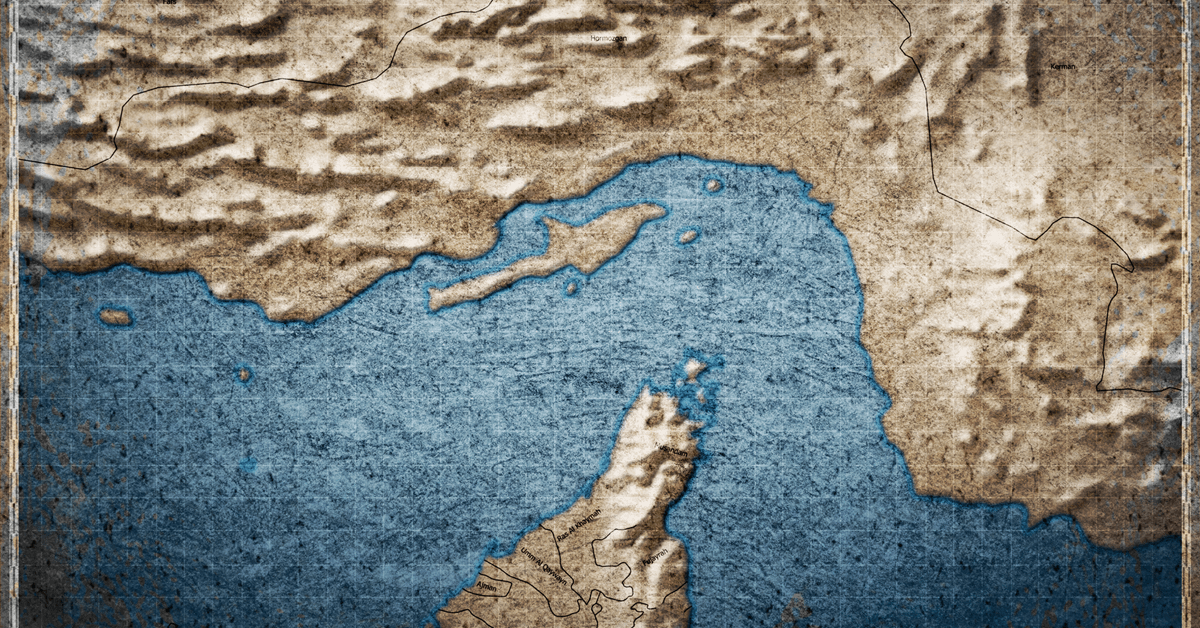
The maritime implications of the conflict are equally serious, as its expansion towards Eritrea’s Red Sea coastline could open another front in an already volatile maritime theatre.The Houthi threat to commercial shipping through the Bab el-Mandeb Strait, coupled with instability around the Strait of Hormuz, has already exposed the vulnerability of critical international trade and energy routes. A wider Ethiopia–Eritrea confrontation could further disrupt shipping, increase insurance and freight costs, and intensify pressure on global energy supplies.
Russia’s Expanding Ties with Both Capitals
Russia’s long-standing relationships with both countries make its position in the crisis particularly significant.
Ethiopia’s military relationship with Russia has gained momentum after the delivery of the first batch of 12 Su-35 fighter jets in October 2026. The jets, which were not due to be shipped until 2027 under the contract, were transferred to Ethiopia ahead of schedule. The delivery followed a request by Prime Minister Abiy Ahmed during his conversation with President Vladimir Putin on the sidelines of the BRICS summit in New Delhi. Ethiopia also expects to receive four batteries of S-400 air defence systems from Russia. The two countries signed military cooperation agreements in 2021 covering training and technology transfer. The latest developments show the depth of Moscow’s defence partnership with Addis Ababa, although the acquisitions do not necessarily indicate an Ethiopian intention to wage war against Eritrea.
Eritrea, meanwhile, has maintained close political relations with Russia, particularly through engagement at international forums. Asmara has frequently supported Moscow’s positions at the United Nations (UN), most prominently since the conflict in Ukraine began in 2014. Significantly for Moscow, Eritrea was one of only five nations to vote against the UN resolution demanding that Russia “immediately, completely and unconditionally” withdraw all of its military forces from Ukraine. This affinity over Ukraine has deepened the bilateral relationship, and the shared goal of “forming a more just multipolar world order” and expanding diplomatic and economic ties underpins the partnership. President Isaias Afwerki met Putin at the Russia–Africa Summit in Moscow in October 2026, reflecting the depth of this enduring relationship.
Unlike external actors whose engagement is largely concentrated on one side, Russia has established strategic connections with both Addis Ababa and Asmara.
Unlike external actors whose engagement is largely concentrated on one side, Russia has established strategic connections with both Addis Ababa and Asmara. Its military partnership with Ethiopia and political relationship with Eritrea provide access to decision-makers in both capitals. These parallel relationships give Moscow potentially important diplomatic leverage and an opportunity to position itself as a mediator capable of facilitating communication while bilateral diplomatic channels have deteriorated.
Russia’s Opportunity as a Mediator
Russia has already indicated its willingness to mediate. Ahead of the Russia–Africa summit, Deputy Foreign Minister Alexander Alimov stated that Moscow was prepared to provide a platform for dialogue between Ethiopia and Eritrea. Deputy Permanent Representative of Russia to the UN Anna Evstigneeva echoed this, calling both nations Russia’s long-standing friends, urging them to resolve any emerging differences through dialogue and offering Moscow’s direct assistance, “should both countries deem it necessary.” Although the third Russia–Africa summit brought Prime Minister Abiy Ahmed and President Isaias to Moscow and offered an important diplomatic opportunity, no direct bilateral negotiations between the two leaders have been publicly established.
This initiative aligns with Russia’s broader Global South strategy. Russia’s 2023 Foreign Policy Concept speaks of “using peaceful means, primarily diplomacy, negotiations, consultations, mediation and good offices, to resolve international disputes and conflicts”. Moscow has regarded the mechanisms of regional and subregional organisations, especially the African Union, as the most effective means of resolving existing conflicts, emphasising the principle of “African solutions to African problems”. As part of its vision for West Africa, for instance, Russia has advocated closer cooperation within the Economic Community of West African States (ECOWAS) and has offered to help restore dialogue between ECOWAS and the countries of the Alliance of Sahel States (AES). In particular, Moscow has offered to mediate bilaterally to normalise relations between Benin and Niger.
From Military Partnerships to Diplomatic Influence
Russia’s potential role as a mediator also carries broader geopolitical significance. Moscow has been expanding its engagement with Africa through defence cooperation, energy partnerships, mining investments, and diplomatic outreach. Its involvement in the Sahel has demonstrated its willingness to act as a security partner for governments seeking alternatives to Western engagement. The Horn of Africa, however, poses a different strategic challenge. Here, Russia has ties with competing regional actors and an opportunity to demonstrate that its influence can extend beyond arms supplies and security partnerships.
The Red Sea also weighs heavily in Moscow’s strategic calculations. Preventing another interstate war serves Russia’s broader regional goals, as instability along the Eritrean coastline and across the wider Horn of Africa could undermine maritime security. Russia’s growing engagement with the region was highlighted in March 2024 when a Russian warship visited the port of Massawa, its first in three decades of diplomatic ties with Eritrea. Russia has long pursued an ambition of establishing a naval facility in the region, which became more urgent after its recent major setback in Syria. Attempts to create a naval base, whether in Sudan (despite a December 2020 agreement) or in Djibouti, have stalled. Even discussions with Asmara since 2018 about a trade and logistics hub in one of Eritrea’s ports on the Red Sea have so far made no progress.
The Road Ahead
The Ethiopia–Eritrea confrontation presents Russia with an opportunity to enhance its influence in one of Africa’s most strategically important regions. Its long-standing ties with both governments, including military cooperation with Ethiopia and political engagement with Eritrea, provide a foundation for diplomatic intervention. The effectiveness of this role, however, will depend on whether Moscow can turn them into a credible and balanced peace initiative.
Successful mediation in the Horn of Africa would show that Moscow can contribute to conflict resolution and regional stability, thus expanding its diplomatic relevance across Africa. Stability in the Horn of Africa would also protect its strategic interests in the Red Sea and strengthen its standing as an influential partner of the Global South.
Samir Bhattacharyais a Fellow with the Strategic Studies Programme at the Observer Research Foundation.
Aleksei Zakharovis a Fellow, Russia & Eurasia, with the Strategic Studies Programme at the Observer Research Foundation.
The views expressed above belong to the author(s). ORF research and analyses now available on Telegram! Click here to access our curated content — blogs, longforms and interviews.


Authors
Samir Bhattacharya
Dr. Samir Bhattacharya is a Fellow at Observer Research Foundation (ORF), where he works on geopolitics with particular reference to Africa in the changing global …
Aleksei Zakharov
Aleksei Zakharov is a Fellow with ORF’s Strategic Studies Programme. His research focuses on the geopolitics and geo-economics of Eurasia and the Indo-Pacific, with particular …
Related Search Terms
Publications
Test of Russia’s Mediation Diplomacy in the Horn of Africa
International Affairs
Nov 19, 2026
<img src="https://www.orfonline.org/public/uploads/posts/image/thumbnail/1795060633_img-Food_Security.jpg" alt="Climate Change, Food Security, and the Imperative for Action at COP31″ loading=”lazy”>