

Since the founding of the modern American Foreign Service in 1924, there has never been anything like the recent move by the United States to recall 30 career diplomats from ambassadorial and other senior embassy posts, says the president of the American Foreign Service Association.
“This is entirely unprecedented,” said John Dinkelman, who is also a former foreign service member.
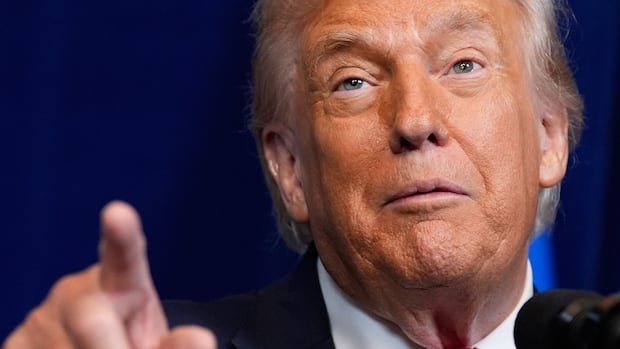
Last week, U.S. State Department officials said that the administration was initiating the recall as it moves to reshape the U.S. diplomatic posture abroad with personnel deemed fully supportive of President Donald Trump’s “America First” priorities.
The chiefs of mission in at least 29 countries were informed that their tenures would end in January. All of them had taken up their posts during the Biden administration.
Dinkelman and other former diplomats suggest that it’s troubling that these actions may serve to politicize the diplomatic corps and populate it with those who lack the skills to deal with tricky diplomatic issues.
“This recall is nothing less than institutional sabotage, and it will undermine the United States’ role in the world,” Dinkelman said.
“For a group of individuals who have dedicated their lives executing the policies of the newly elected leaders of our country, this is an affront.”
Africa hardest hit
The region hit hardest by the recall was Africa, where more than a dozen ambassadors or chiefs of mission were recalled from countries including Niger, Uganda, Senegal, Somalia, Côte d’Ivoire, Mauritius, Nigeria, Gabon, Congo, Burundi, Cameroon, and Rwanda, The Guardian reported.
Second is Asia, with ambassadorial changes coming to six countries: Fiji, Laos, the Marshall Islands, Papua New Guinea, the Philippines and Vietnam affected.
In the Middle East, heads of mission were recalled from Egypt and Algeria. European chiefs of mission to receive recall orders included Slovakia, Montenegro, Armenia and North Macedonia.
The recall comes as Trump has sought to place loyalists in senior roles since starting his second term after encountering resistance during his first term, Reuters reported.
Political appointees leave their posts when a new administration takes office, but career diplomats, while serving at the pleasure of the president, are often considered bipartisan and typically serve three to four years in their overseas posts regardless of a change in government.

Dinkelman says that while ambassadors and senior leaders do serve at the direction of the president, carrying out such removals so abruptly and without explanation will destabilize the institution, weaken U.S. credibility, and disrupt relationships with allies.
He also says it “sends a chilling message to career diplomats that expertise and service matter less than political loyalty.”
Dinkelman says diplomats are hired to provide apolitical advice and input to administration officials as they consider political and policy decisions in various countries.
‘Need to toe the line’
Questions will now be raised about the qualifications of the replacements for the recalled ambassadors, Dinkelman says.
“Are you looking at individuals in an increasingly divided Foreign Service Corps who simply ascribed to a certain political line of thinking over somebody else who may have been less zealous in their support of the administration?”
He says he believes this recall is either a message from the Trump administration warning the foreign service about the “need to toe the line,” or that it’s performative politics that suggests there’s an obstructionist attitude among the Foreign Service.

Recall wipes out expertise: former ambassador
Michael McFaul, who served as the U.S. ambassador to Russia from 2012 to 2014, says the recall is a “horrible idea” and that the administration will be challenged to to “conduct tests of MAGA loyalty among the career diplomats.”
In just one day, Trump wiped out tons of expertise in foreign affairs by firing these ambassadors, he said in an email to CBC News.
“These diplomats are extremely knowledgeable about the countries they serve and international affairs more generally,” McFaul said. “By dismissing these experienced diplomats, Trump’s ability to execute his foreign polices just got a lot harder.”
The House48:45Canada’s woman in Washington opens up before her departure
Cameron Hume, who served as a U.S. ambassador in a number of posts, told MS NOW that not having professionals or people with some continuity in these posts makes it “really hard to push through a peace agreement and be sure everyone is doing what they said they would do.”
“I think it’s going to be destabilizing for getting those peace agreements implemented on the ground.”
Jeanne Shaheen, ranking Democrat on the U.S. Senate Committee on Foreign Relations, noted in a post on X that this recall will make America “less safe, less strong and less prosperous.”
In a letter to Trump, Shaheen and other Democrats on the Senate Foreign Relations Committee said the number of vacant U.S. ambassadorial posts will now climb to well over 100 — about half of all such positions in the world. Before the recall, around 80 of these positions were vacant.

Move could ‘harm U.S. interests,’ senators say
That vacuum, the senators said in their letter, would allow U.S. adversaries like China, Russia and others to expand their reach and influence to limit, and even harm, U.S. interests.”
They also noted that without ambassadors in regions such as the Indo-Pacific, Africa, the Balkans and Latin America, it would be more difficult for Washington to counter China’s expanding economic reach and what they called “Russia’s malign influence.”
The senators asked Trump to reverse his decision immediately “before more damage is done to America’s standing in the world.”
