


U.S. Supreme Court
SCOTUS allows limits on midtrial lawyer-client conversations
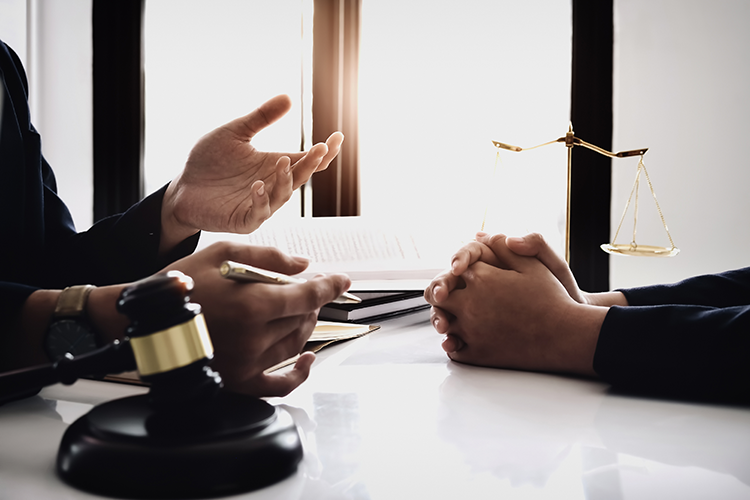
The U.S. Supreme Court on Wednesday ruled unanimously that judges can bar criminal defendants from speaking with their lawyers about their testimony during an overnight recess in the middle of testifying in their own defense. (Image from Shutterstock)
The U.S. Supreme Court on Wednesday ruled unanimously that judges can bar criminal defendants from speaking with their lawyers about their testimony during an overnight recess in the middle of testifying in their own defense.
Writing for the high court, Justice Ketanji Brown Jackson said a trial judge’s limited order prohibiting the discussion of a defendant’s testimony during a recess correctly balanced a defendant’s Sixth Amendment right to counsel against the burden of offering unaltered trial testimony.
Jackson emphasized that a defendant testifying at trial in their own defense doesn’t “shed his rights as a criminal defendant,” but their “status shifts,” and they assume “some of the burdens of a testifying witness.”
Justice Neil Gorsuch and Justice Clarence Thomas joined the judgment, but they filed separate concurrences.
The ruling stems from a Texas case involving David Villarreal, who was convicted by a jury of murdering his boyfriend. He was sentenced to 60 years in prison.
During trial, the judge called an overnight recess in the middle of Villarreal’s testimony. The judge then issued a “qualified conferral order” barring the defense counsel from speaking with Villarreal about the testimony during the recess but allowing them to discuss other matters, such as potential sentencing issues. Villarreal claimed that the instruction infringed on his right to counsel.
The ruling was previously reported by Law.com, Bloomberg Law, the Washington Examiner and other news outlets.
Write a letter to the editor, share a story tip or update, or report an error.
