

Rwanda is not the sort of place you visit casually. You go to witness the mountain gorillas, yes, but also to immerse yourself in the mist, forests, and stillness, all of which evoke a feeling that something extraordinary is about to happen (and it no doubt will). The question is not whether Rwanda is worth it, but when to go to get the version of the experience that suits you best. This guide breaks down the best time to visit Rwanda, from peak gorilla trekking conditions to better-value months and the sweetest spots for safari, birding, and beyond.
The magical Volcanoes National Park, home to the legendary gorillas, Image Credit: Bisate Lodge
A Little About Rwanda
Rwanda is unlike any other African country. Its diversity is unique, playing host to both vast grasslands that define the classic safari and dense, emerald jungles and forests, as well as a snaking network of life-rich waterways. Rwanda’s capital, Kigali, is a gem in its own right – vibrant, smart, spotless, and widely regarded as one of Africa’s most progressive cities.
And while the gorillas may take top billing, they’re far from the whole story. Rwanda is also a country of beautiful contrasts: rich birdlife, layered culture, striking scenery and experiences that linger long after the trip itself. So, with that in mind, let’s get into the best time to visit.

Kigali is the bustling, colourful capital of Rwanda, Image Credit: Singita Kwitonda Lodge
Summary Table
- June to September: best overall, best for gorillas, strong for Akagera, busiest
- October to November: short rains, good birding, greener, softer light
- December to February: excellent second-best dry window, often slightly quieter
- March to May: wettest, best for birding and chimpanzees, better value, harder trekking
Seasonal Breakdown
Below, we unpack how the year behaves, month by month, sorting the mist from the mud and breaking down what each season actually brings to the party.

Gorilla trekking is an incredible East African adventure, Image Credit: Wilderness Bisate
June to September: The Long Dry Season
By mid-May, the rain starts to ease off in Rwanda. And come June, the sun is out and the dry season has officially started. Lasting until September, the dry season still gets its fair share of rain, especially in the higher-altitude rainforests.
However, these are usually short showers, with the sun soon returning. Judging by the slight rise in average daily temperatures, these four months are therefore akin to summer.
The average maximum temperature is around 28ºC and the evenings are a cool 16ºC.

Rwanda is characterised by gorilla trekking in the rainforests
This longer, drier season is the best time to visit Rwanda for its major attractions. Your high-altitude gorilla trek – which can be up to eight hours each way – is considerably less taxing as the pathways dry out and visibility improves.
Your Big 5 safari in the east also benefits from drier conditions, as wildlife congregates near permanent water sources and the bush thins out, making for better sightings. Elsewhere, Lake Kivu in summer is a glorious place to unwind, while the birdlife is always amazing, no matter when you visit.
And of course, Rwanda’s cultural and historical attractions are equally fascinating whether it’s rainy or sunny.
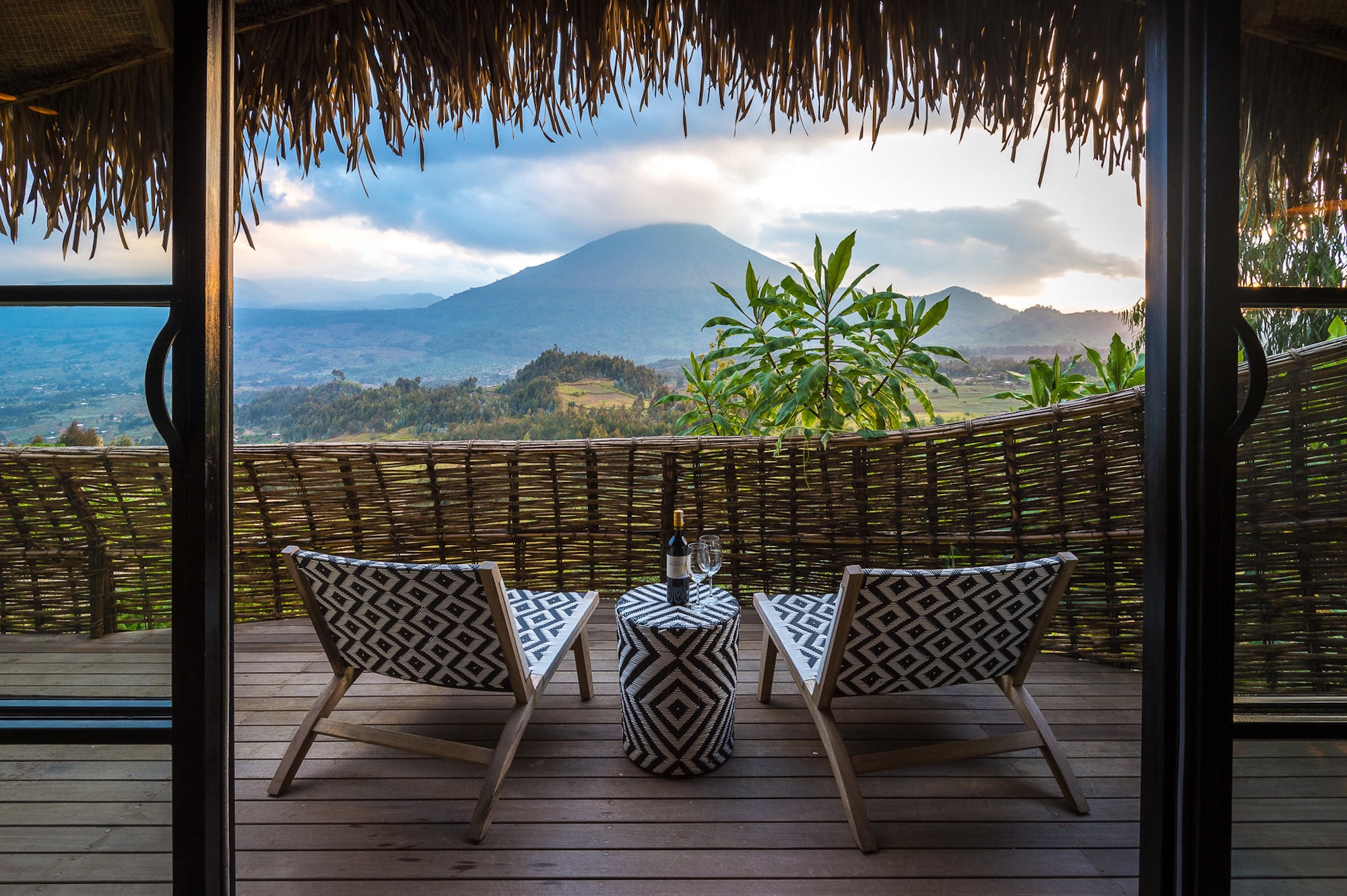
No matter what season, you’ll always find a gorgeous stay in Rwanda, Image Credit: Bisate Lodge
October and November: The Short Wet Season
The short wet season in Rwanda features spectacular thunderstorms that pass quickly to reveal beautiful cloud-studded skies, vivid forest colours, and soft, saturated light. In other words, this is an excellent time for photography. Birding is also particularly good at this time as the brief rains bring many plants into flower, and migrants arrive to bolster the already impressive species count.
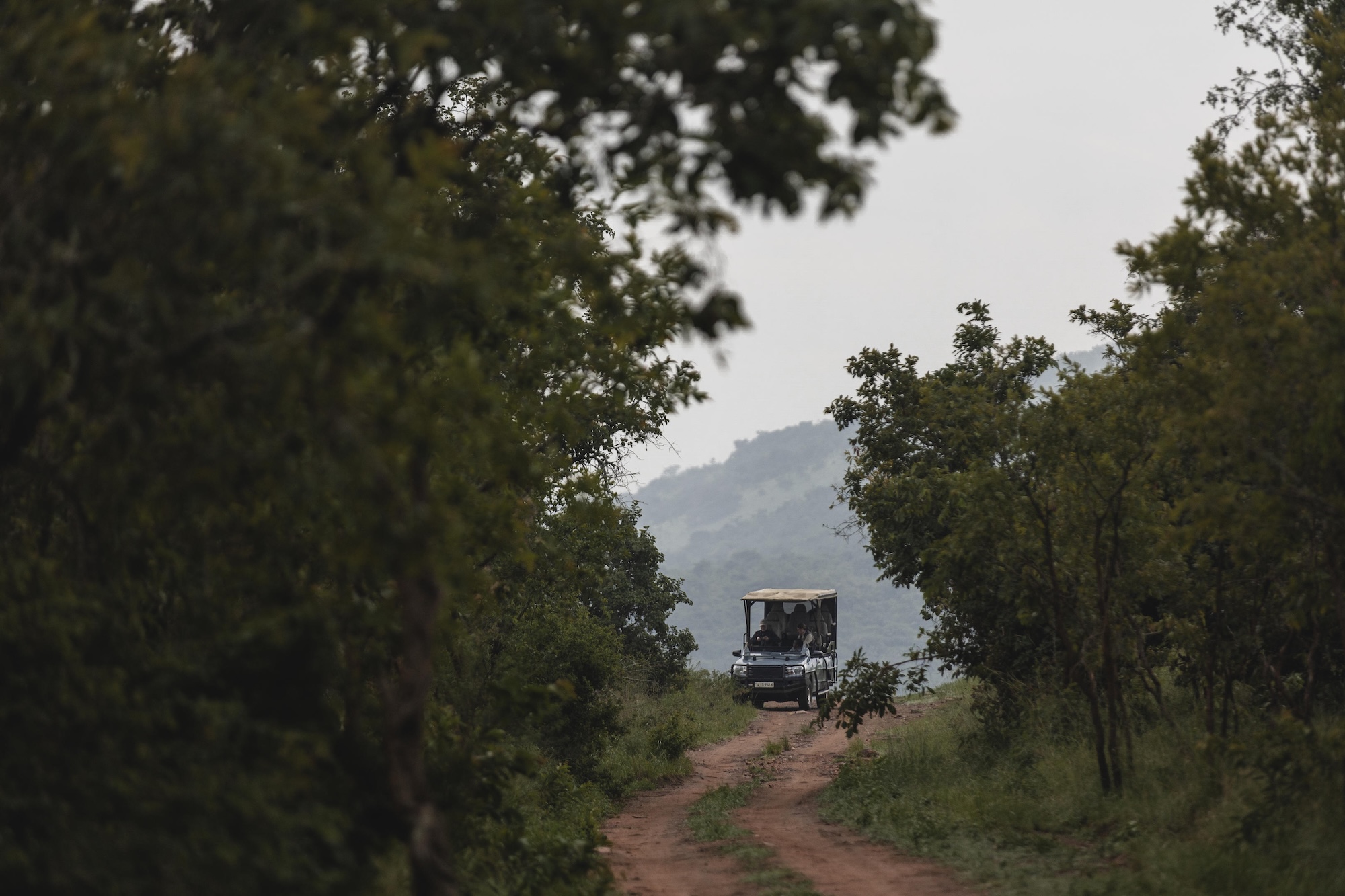
Rwanda has one of the most incredible Big 5 National Parks, Image Credit: Magashi Peninsula
Gorilla trekking and primate walks can be more challenging when it rains, although the sub-surface remains firm. However, with the rain and cloud cover, your photos will come out just that bit more special.
And your Big 5 safari won’t be too much affected by the rain, as the showers are short and the resulting greenery is exceptionally photogenic. Furthermore, the tea and coffee plantations, dramatic scenery, and cultural attractions retain their appeal regardless of the weather.
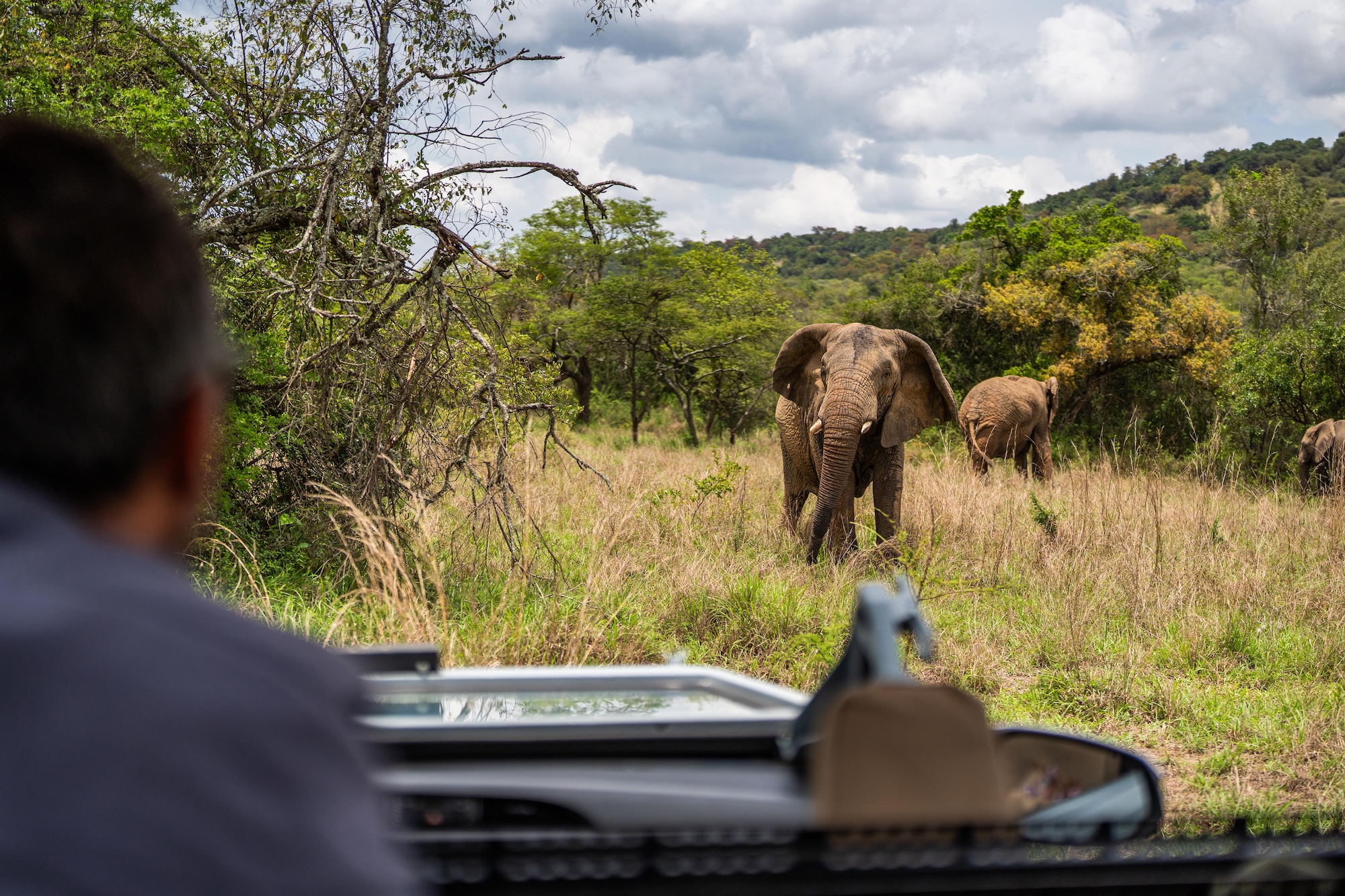
Witness impeccable animal sightings year-round in Rwanda, Image Credit: Magashi Peninsula
December to February: The Short Dry Season
December sees a significant drop in rainfall, ushering in the short dry season. It’s still quite wet with frequent showers, but nowhere near the boggy deluges of the wet season. As a result of the ground drying up underfoot, gorilla trekking becomes easier.
Drier, warmer, sunnier conditions generally favour all of Rwanda’s incredible attractions. For this reason and because it’s less busy, we consider this short dry season one of the best times to visit Rwanda.
During this season, you can enjoy the whole country, from primate trekking, Big 5 safaris, birding, relaxing by the lake, and absorbing the cultural phenomena.

Meet Rwanda’s warm-hearted people
March to May: The Long Wet Season
Rwanda’s big rains arrive in March, peak in April, and taper off in May. Provided you’ve got good rain gear – and if you’re visiting an equatorial country, that’s pretty much essential – the rainy season can be one of the best times to visit Rwanda.
Gorilla trekking continues year-round and is often at its most rewarding, with a tough, mud-bound hike making the experience much more visceral. Furthermore, gorilla permits are easier to obtain, and many lodges offer green season specials.

Meet the misty mountain Gorillas, Image Credit: Wilderness
Chimpanzees are easier to track during this long wet season as they drop to lower altitudes to feast on the ripening fruit. Birding is understandably excellent with the national bloom, breeding, and migratory arrivals. And towards the end of the wet season, it’s calving time, so expect to see plenty of wobbly newborns on your Big 5 safari.
And finally, Rwanda’s incredible scenery, culture, and fascinating history are on full display and accessible all year round, whether it’s bucketing down or a cloudless day.

See chimpanzees in their natural habitat, Image Credit: Nyungwe Forest Lodge
Best Time To Visit Rwanda for Gorilla Trekking
The best time to visit Rwanda for gorilla trekking is usually during the dry seasons, from June to September and December to February. Trails in Volcanoes National Park are generally less slippery at these times, visibility is often better, and the overall trekking experience tends to feel a little easier and more comfortable.
If your priority is the smoothest, most straightforward trek, aim for the drier months. If you’re happy to accept a little more mud in exchange for a lusher landscape and potentially softer lodge availability, the green seasons can still be very rewarding.
Best Time To Visit Rwanda for Chimpanzee Trekking
Chimpanzee trekking in Rwanda has a slightly different energy from gorilla trekking. It’s quicker and slightly more chaotic (in the best way possible). For the best time to go, aim for the dry seasons from June to September and December to February, when Nyungwe’s forest trails are generally easier to navigate, and the overall trekking conditions are more comfortable.
That said, in the wetter months, the forest feels especially lush and atmospheric, and the experience can be richer if you’re interested in birding or want the rainforest itself to feel fully switched on. The trade-off is muddier trails and trickier footing that make for a more demanding hike.
Best Time for Safari and Birding
For classic safari conditions in Akagera, the dry seasons from June to September and December to February are usually best. Grass is shorter, wildlife is easier to spot, and roads are generally in better condition for game drives.
Birding is a little different. Rwanda is rewarding year-round, but the wetter months can be especially good, when landscapes are greener and migratory species are around. Nyungwe is particularly strong for forest birds, while Akagera’s wetlands and savannah make it wonderfully varied.
Peak Season Vs Better-Value Season
Peak season is for people who like their travel plans polished and unlikely to involve muddy socks. Rwanda is at its easiest then: trails are drier, the weather is generally more cooperative, and everything feels a little more straightforward. The catch, naturally, is that everyone else has had the same bright idea. Expect stronger demand, less wiggle room, and a need to book the good stuff early.
The greener months are for guests with a slightly more romantic outlook and a decent tolerance for damp boots. Rwanda can feel especially gorgeous then (lush and gloriously alive), and there’s often more breathing room when it comes to lodge availability. You may have to work a little harder for the experience, but some people enjoy that.
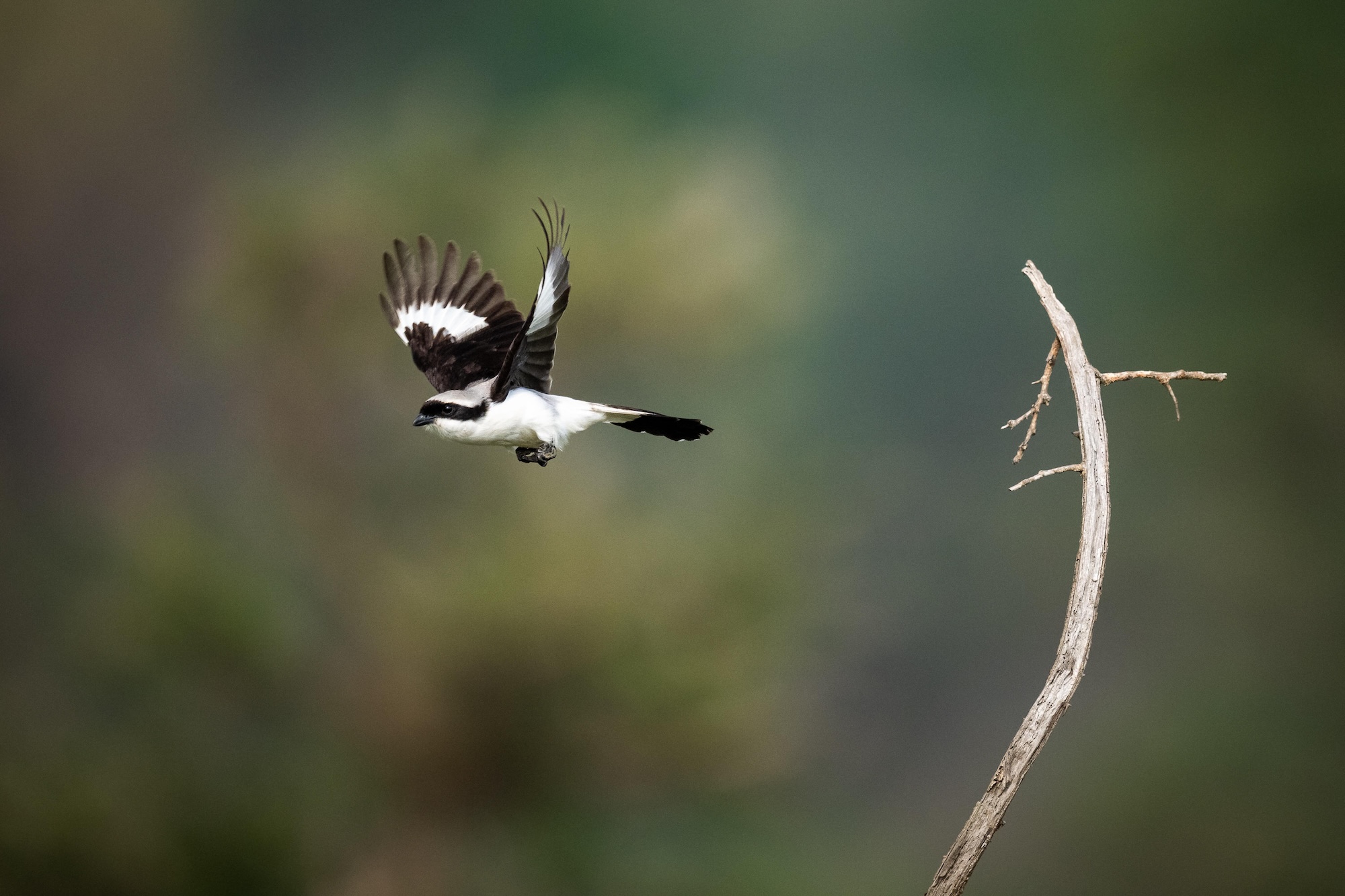
Frequent rain makes the lush forests of Rwanda ideal for diverse birdlife, Image Credit: Magashi Peninsula
Frequently Asked Questions and Answers
Our Travel Experts have answered your most burning questions about a Rwanda safari.
When should I book Rwanda if I want gorilla permits?
As early as possible, especially for the dry seasons and festive periods, when the best permit dates and top lodges tend to go first.
Can Rwanda be combined with another destination?
Yes, very easily. Rwanda pairs particularly well with Kenya and Tanzania.
Is Rwanda good for a luxury honeymoon?
Yes. It’s an excellent choice for couples wanting something exclusive, meaningful, and a little less predictable than a classic safari-and-beach combination.
Is gorilla trekking physically difficult?
It can be. Some treks are relatively manageable, while others are steeper, muddier, and more demanding, depending on where the gorilla family is on the day.
How many days do you need in Rwanda?
If gorilla trekking is the main focus, three to four days can work well. For a more rounded trip, five to six days is ideal, while seven to nine days gives you time for gorillas, safari, Nyungwe and Lake Kivu.
Is Rwanda expensive to visit?
Rwanda is a high-end, low-volume destination. That exclusivity helps fund conservation, community development, and carefully managed wildlife experiences, which is part of what makes the trip so special.
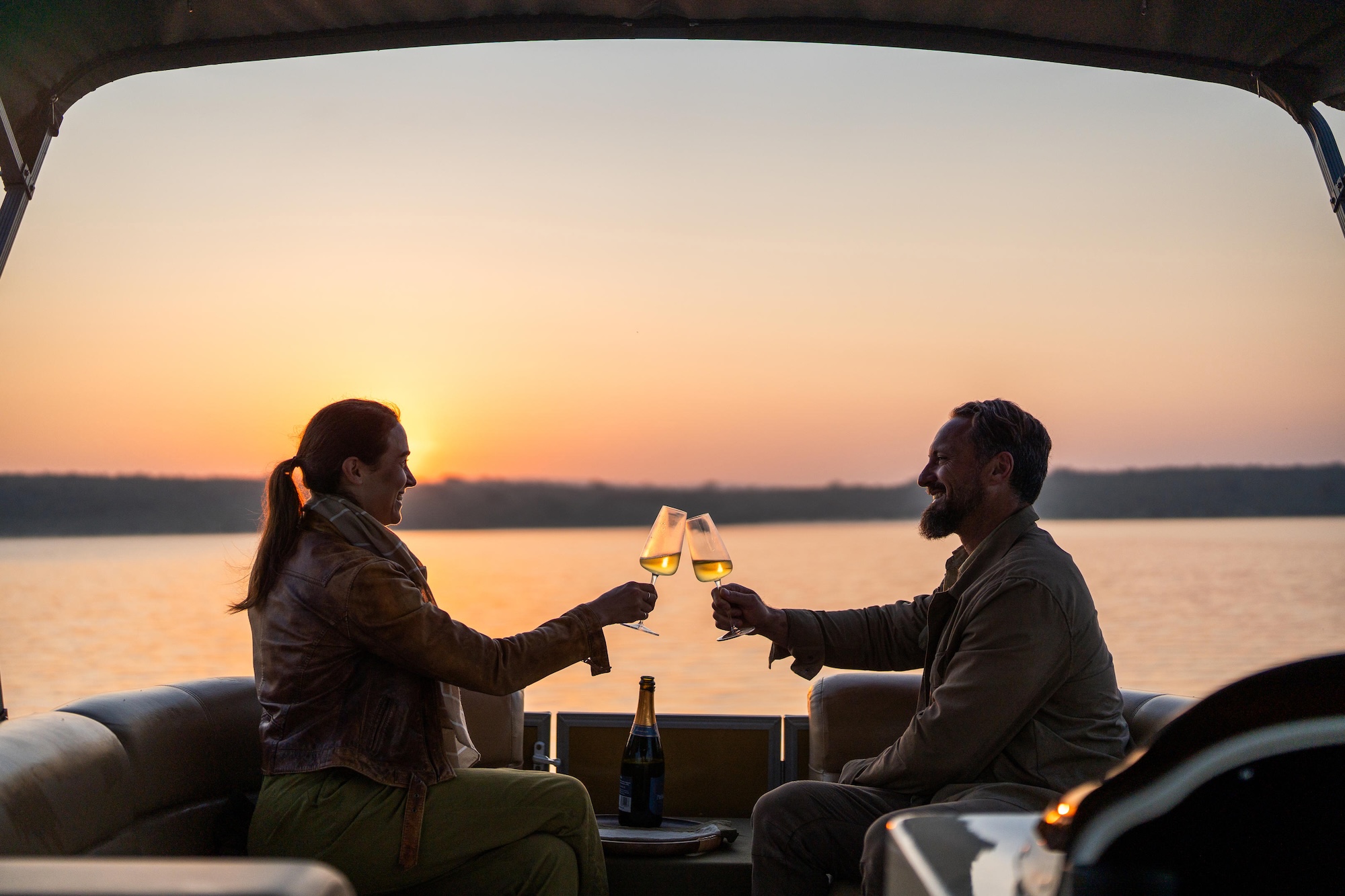
Enjoy an extensive array of experiences in Rwanda all year, Image Credit: Magashi Peninsula
Rwanda Travel Tips
- Gorilla permits should be booked well in advance, especially for peak travel months.
- Trekking can be physically demanding, so decent fitness and proper footwear help.
- Pack for changing conditions – sunshine, rain, and cooler mountain temperatures can all happen in one trip.
- Rwanda is compact, which makes it easy to combine gorillas, safari, and Kigali in one itinerary.
- It’s a premium destination, but part of that cost supports conservation and local communities.
- A few extra days make a big difference, especially if you want more than just gorilla trekking.
- The right season depends on your priorities – drier trails, better value, birding, or a fuller safari mix.

Rwanda has some of the most unique and luxurious lodges, Image Credit : Bisate Lodge
Book Your Visit to Rwanda Today
If you’re sold on Rwanda, our Rhino Africa Travel Experts are ready to tailor-craft your adventure into this abundant wilderness. As the World’s Leading Safari Company, we’re in the prime position to give you the best advice and service to make the most of your time in this beautiful, amazing country.
