

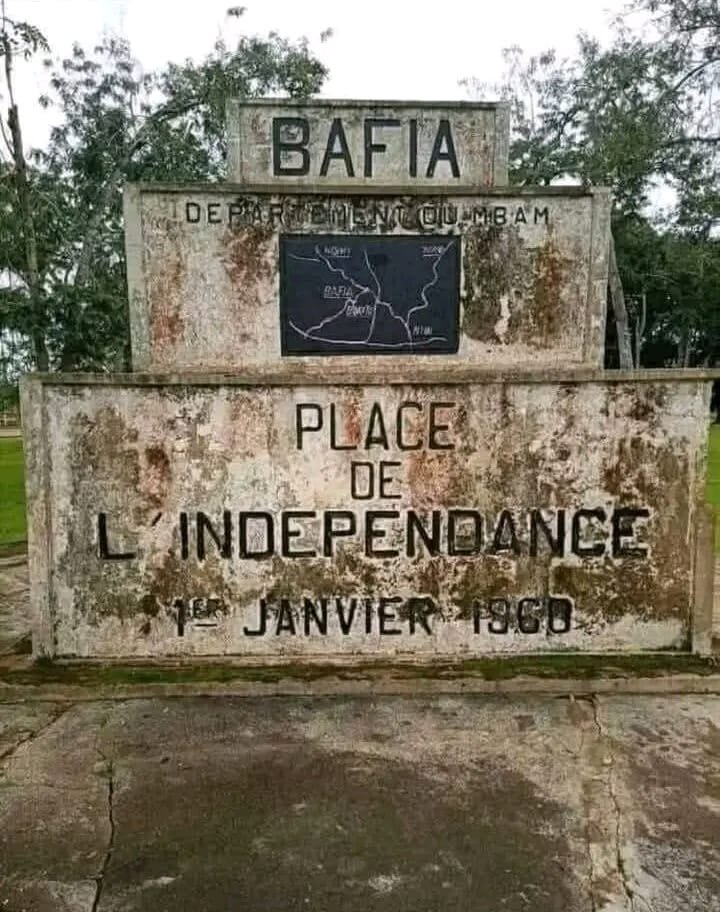
Houston, TX – A towering monument in Bafia, Cameroon, emblazoned with the date January 1, 1960, serves as a blunt reminder of the day that Cameroun officially gained independence from French colonial rule. However, this date, commemorated in stone but largely absent from public celebrations, has become the focal point of a powerful challenge issued by Chris Anu, the leader of Ambazonia’s Interim Government.
In a bold and unexpected move, Anu extended congratulatory messages to Cameroon’s President Paul Biya and the people of Cameroon on their Independence Day. Yet, his message carried more than just pleasantries. It highlighted a stark contrast between the two nations’ approaches to their histories, underscoring Ambazonia’s vibrant annual celebrations of independence and questioning why Cameroon has not embraced its own independence date with the same fervor.
“On behalf of the people of Ambazonia, I extend deepest congratulations to you and the citizens of Cameroun on the occasion of your Independence Day,” Anu wrote. His letter reflected on the shared colonial past of the two nations and their divergent journeys since. While emphasizing the importance of coexistence and mutual respect, Anu subtly called attention to Cameroon’s silence on the significance of January 1, 1960.
Cameroon’s independence marked the culmination of years of struggle against French colonial domination. Yet, despite its historical importance, January 1, 1960, has not been widely celebrated as a national holiday. Anu’s message juxtaposed this with Ambazonia’s own vibrant Independence Day celebrations on October 1 each year, which honor the Southern Cameroons’ attainment of self-determination.
“In Ambazonia, the commemoration of independence is deeply ingrained in our collective psyche, and we observe it with pomp and gaiety, year after year,” Anu emphasized in his letter. He framed this practice as evidence of the Ambazonian people’s commitment to the ideals of freedom, justice, and equality.

Anu’s pointed remarks raise questions about Cameroon’s historical narrative. Has the country sidelined its independence date in favor of other national narratives, such as reunification with the Southern Cameroons in 1961? And if so, what does this reveal about its identity as a nation?
While the letter to Paul Biya struck a tone of diplomatic courtesy, its undertones challenged Cameroon to reckon with its past. Anu expressed hope that the reflection on January 1, 1960, would inspire progress toward justice and lasting peace in the region.
“Let us continue to strive for mutual respect and understanding, ensuring that the ideals of independence guide us toward a future that benefits all our people,” Anu wrote, calling for renewed commitment to the values of self-determination and coexistence.
The monument inscribed with the date of independence stands as a symbol of Cameroon’s historical achievement, but Anu’s letter invites the nation to reclaim the spirit of that day. By doing so, he argues, Cameroon could honor the sacrifices of its forebears and strengthen its national identity.
This challenge comes at a time of heightened tensions between Cameroon and Ambazonia. The struggle for independence by the Anglophone regions of Cameroon, known as Ambazonia, has led to years of conflict and unrest. Anu’s leadership in the movement has been marked by his emphasis on Ambazonian resilience and the quest for full independence from Cameroon.
Anu’s message, though couched in the language of diplomacy, highlights the ideological gulf between the two nations. While Ambazonia continues to assert its distinct identity through annual celebrations, Cameroon’s silence on its independence day appears, in Anu’s view, as an abdication of a pivotal moment in its history.

