

Public Defenders
About 40 court-appointed defense lawyers in 1 state refuse new cases; shutdown also affects local DC courts
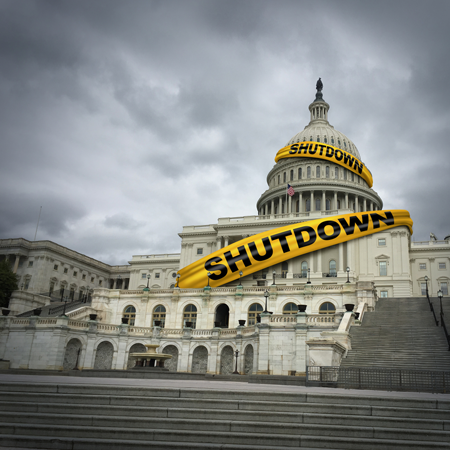
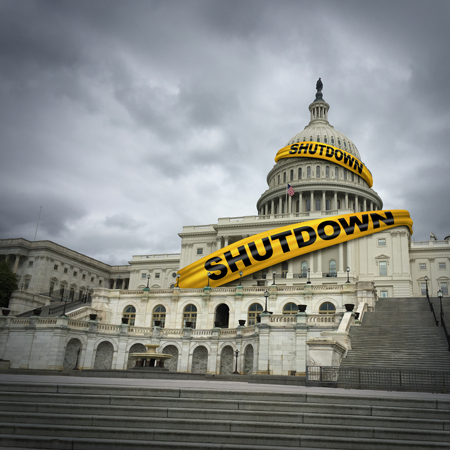
The government shutdown affecting court-appointed lawyers in federal cases is now being felt in Washington, D.C., where money is running out for private attorneys representing indigent defendants in local courts. (Image from Shutterstock)
The government shutdown affecting court-appointed lawyers in federal cases is now being felt in Washington, D.C., where money is running out for private attorneys representing indigent defendants in local courts.
The appointed defense lawyers in District of Columbia courts were being paid with last year’s funds, but the defender services fund will be depleted before the end of November, according to a letter obtained by Law360 on Monday.
After Nov. 14, vouchers for private sector lawyers who are appointed to represent indigent defendants under the Criminal Justice Act will not be paid until the shutdown ends, according to Law360.
Full-time public defenders who represent poor defendants charged with local crimes in Washington, D.C., are already working without pay as a result of the shutdown. Also working without a paycheck are District of Columbia judges and court staff members, the letter said.
The voucher-paid lawyers in Washington, D.C., receive funding through the Criminal Justice Act, as do court-appointed lawyers for federal indigent defendants.
In the federal system, about 12,000 court-appointed defense lawyers have been working without pay since July, Reuters reports. They provide representation for about 40% of indigent defendants. Full-time public defenders working for the court system represent the other 60%, and they have been working without pay since mid-October.
In New Mexico, meanwhile, about 40 court-appointed lawyers have announced that they will stop accepting new indigent defense cases, Reuters reports. The letter announcing the decision had more than 50 signatories, which included contractors who act as expert witnesses and interpreters.
Some individual court-appointed lawyers are already refusing to accept new cases, but this appears to be the first group decision, according to Reuters.
“When we take cases for which we do not get paid indefinitely,” the letter said, “it forces us to look elsewhere for income to continue to operate our law practices, where we are responsible for the payroll and benefits of our staff and employees. The more CJA cases we take on, the more harm we risk doing to our existing CJA clients because that means more time spent on other work for income streams and less time available to our indigent clients.”
See also:
What are a federal judge’s concerns as the government shutdown continues?
Federal shutdown hits DC, Maryland bar exam
How the federal judiciary will continue operations during shutdown
Write a letter to the editor, share a story tip or update, or report an error.
