



With Africa reaching new heights, Asia falling short of expectations and the Americas making the most of home advantage, the expanded World Cup has highlighted a shifting balance in international football
Africa emerged as one of the biggest winners of the expanded 48-team FIFA World Cup, with a record nine nations reaching the knockout stage, while Asia endured a disappointing campaign despite sending an unprecedented nine teams to the tournament.
The expanded format was expected to bring about in a new era for Asian football, but seven of the continent’s representatives failed to progress beyond the group stage. Only Japan and Australia secured places in the Round of 32.
Iran and South Korea, both considered among Asia’s strongest contenders, suffered surprise exits. Iran narrowly missed qualification after finishing third in Group G, losing out on goal difference after Senegal’s emphatic victory over Iraq altered the standings among the best third-placed teams. South Korea’s campaign also ended in disappointment following a 1-0 defeat to South Africa.
While Asia struggled to justify its increased allocation of places, Africa produced its finest World Cup campaign to date.
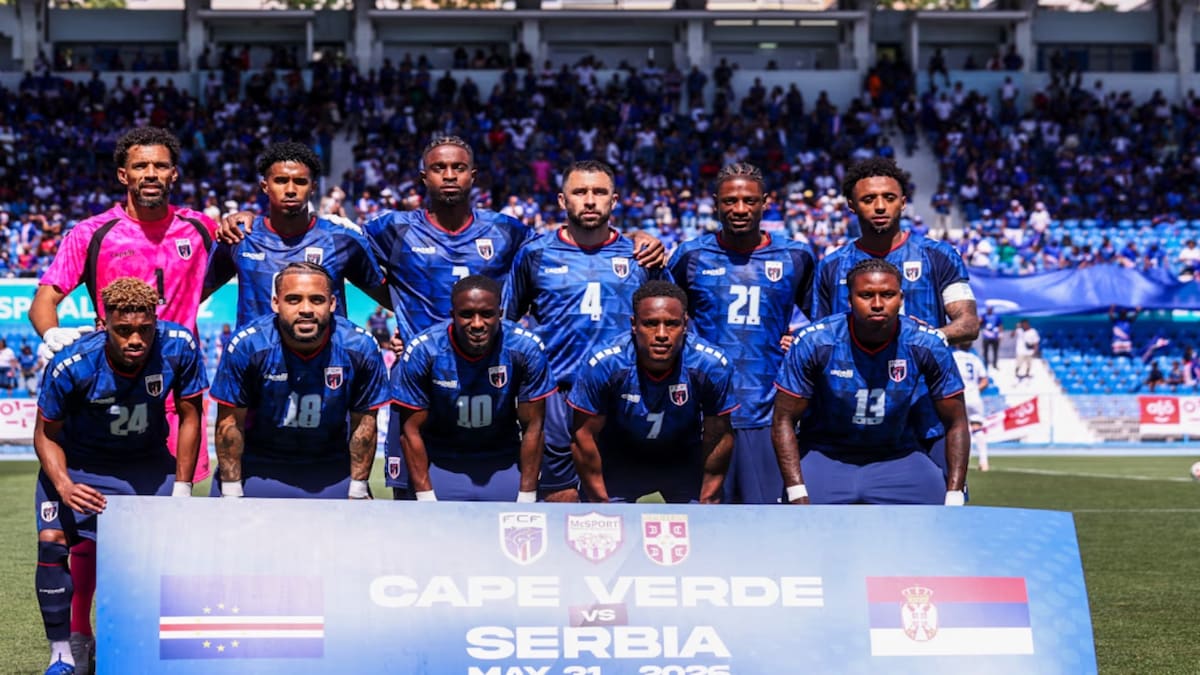
Tournament debutants Cape Verde emerged as one of the stories of the competition after holding Spain to a goalless draw before advancing to the knockout rounds. DR Congo also impressed on their return to the World Cup after a 52-year absence by earning a draw against Portugal, while Côte d’Ivoire defeated Ecuador and Ghana held England.
The continent’s record nine teams in the Round of 32 demonstrated the growing competitiveness of African football, with the expanded format providing more nations an opportunity to showcase their progress on the global stage.
South America also enjoyed a productive group stage, with four of its six representatives advancing. The tournament coincided with the anniversary of Brazil’s first World Cup triumph in 1958, when a 17-year-old Pele announced himself by becoming the youngest player to score in a World Cup final.
The three co-hosts, the United States, Mexico and Canada, all progressed to the knockout rounds, making it the strongest collective World Cup performance by North American nations.
With Africa reaching new heights, Asia falling short of expectations and the Americas making the most of home advantage, the expanded World Cup has highlighted a shifting balance in international football.
FIFAFIFA World Cup





