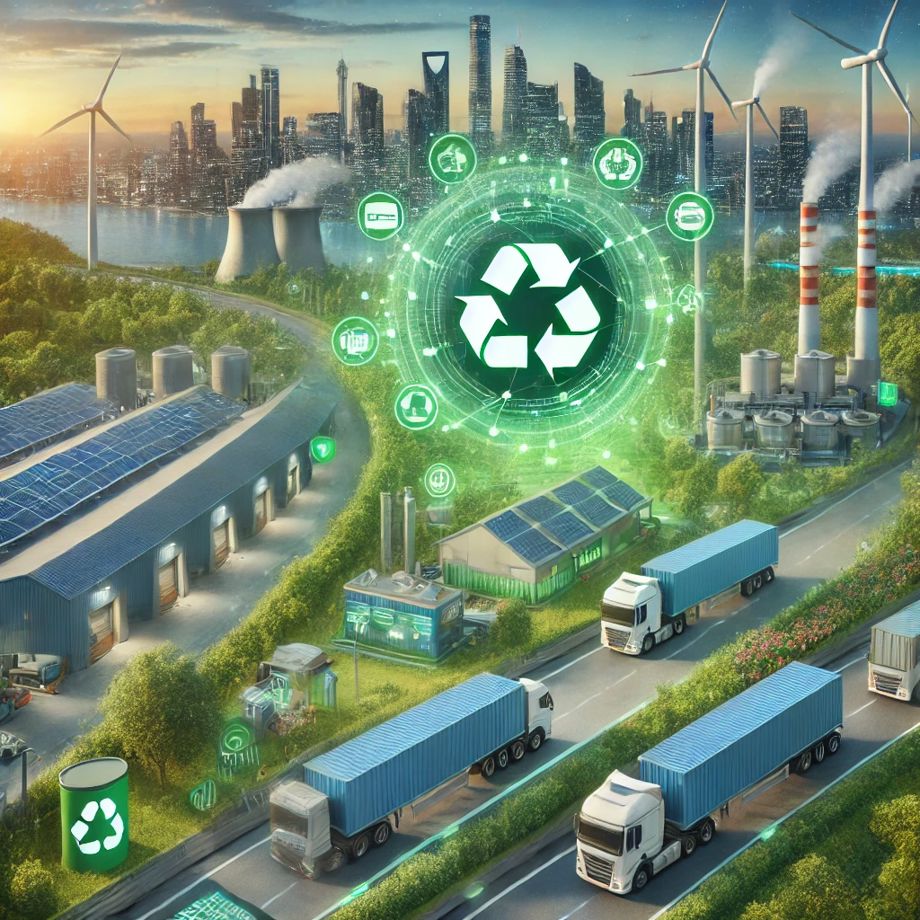
The goal is to ensure circular economy principles and real climate plans, resilient infrastructure and sustainable industrial development
- Country:
- Ivory Coast
African countries have pledged to accelerate the shift to a circular economy by moving beyond policy commitments and focusing on investment, industrial growth and business development that can create jobs and strengthen regional value chains.
The commitment was made at the 2026 Annual Meetings of the African Circular Economy Alliance (ACEA), held in Abidjan, Côte d’Ivoire, where representatives from 23 member countries joined development partners, financial institutions, businesses and industry organisations to discuss practical steps for expanding the continent’s circular economy.
Building industries through smarter re
Hosted by the Government of Côte d’Ivoire and the African Development Bank Group through the African Circular Economy Fund (ACEF), the meeting highlighted how reuse, repair, remanufacturing and recycling can reduce Africa’s dependence on imported goods while creating new industries and employment opportunities.
The discussions aligned with the African Union’s Circular Economy Action Plan 2024–2034 and the African Continental Free Trade Area (AfCFTA), which provide a framework for strengthening regional markets and developing African value chains.
Anthony Nyong, Director of Climate Change and Green Growth at the African Development Bank, said Africa needs to retain more value from its natural reproducts. He said a circular economy offers a pathway to industrialisation by keeping re
Critical minerals and finance in focus
Participants also examined the growing global demand for critical minerals, stressing that Africa should expand local processing, strengthen technical skills and develop competitive regional industries to capture more value from its mineral wealth.
Delegates called for increased investment in circular economy businesses, wider access to finance, harmonised standards and more open regional markets to help promising enterprises grow into large-scale industries.
The International Labour Organization, speaking on behalf of the Partnership for Action on Green Economy (PAGE), emphasised that the transition should create decent jobs while ensuring vulnerable communities benefit from new economic opportunities.
UNDP Deputy Resident Representative in Côte d’Ivoire, Gaël Ollivier, said extending product lifecycles and strengthening regional value chains would help create employment, improve resilience, support industrialisation and advance sustainable development across the continent.
A united African voice
ACEA members agreed to promote a common African position at major international events, including COP31 in Turkey later this year, COP32 in Ethiopia in 2027, the High-Level Political Forum on Sustainable Development and the World Circular Economy Forum.
The goal is to ensure circular economy principles and resource efficiency are fully integrated into climate finance, national climate plans, resilient infrastructure and sustainable industrial development. Established a decade ago by Rwanda, Nigeria and South Africa, the African Circular Economy Alliance has grown to 23 member countries and more than 20 strategic partners, reflecting the increasing importance of circular economy policies in supporting Africa’s industrial transformation and long-term economic resilience.








_58325.jpg "UK, USA enhance cooperation on fusion energy")