



-
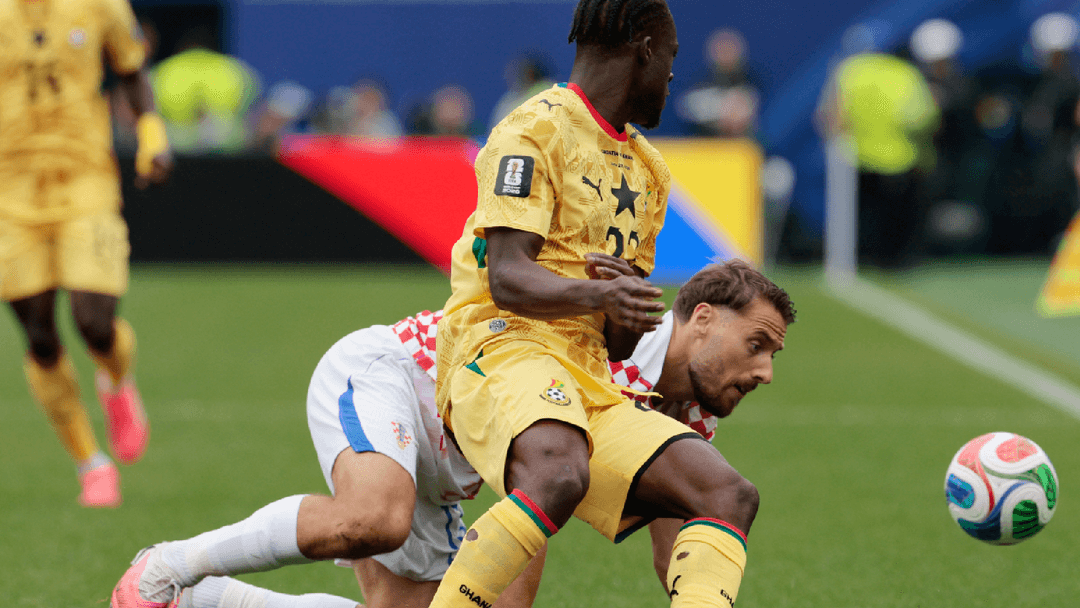
Nine of Africa’s ten representatives have reached the knockout stage of the 2026 FIFA World Cup, making the continent the biggest winner of the expanded 48-team format and signaling a historic shift in global football
The first phase of the 2026 FIFA World Cup has delivered a clear conclusion: Africa has arrived as a major force in international football. With nine of its ten representatives advancing to the Round of 32, the African confederation has become the biggest beneficiary of the tournament’s expansion to 48 teams. Only Tunisia failed to progress, while nations such as Morocco, Senegal, Ghana, Egypt, South Africa, Algeria, Ivory Coast, Cape Verde, and DR Congo secured places in the knockout stage
Africa now boasts the second-highest number of teams remaining in the tournament, trailing only Europe’s 13 representatives. South America follows with five teams, while CONCACAF has three surviving nations and Asia has suffered a significant decline, placing only Japan and Australia in the knockout rounds
This rise has been decades in the making
The first major factor behind Africa’s success is the growing presence of African players in Europe’s top leagues. The Premier League, Bundesliga, LaLiga, and Ligue 1 feature dozens of players who compete weekly at the highest level. Footballers such as Mohamed Salah, Sadio Mané, Thomas Partey, Yoane Wissa, and Amad Diallo have become accustomed to elite competition, reducing the gap between club football and the demands of the World Cup
Another key development has occurred on the sidelines. African national teams have increasingly embraced tactical organization over individual star power. Modern coaches, many with European experience, have emphasized structure, discipline, and clearly defined roles instead of simply assembling the most recognizable names
Youth development has also played a decisive role. Private academies and partnerships with European clubs have transformed player development in countries such as Senegal, Ivory Coast, and especially Morocco, whose Mohammed VI Academy has become a model for the continent
There is also a powerful generational element. Today’s African stars grew up watching legends such as Didier Drogba, Samuel Eto’o, Michael Essien, and Yaya Touré succeed in Europe and reach Champions League finals. Those pioneers changed the mentality of an entire generation
What once represented a dream — reaching the World Cup quarterfinals, as Cameroon did in 1990 — is increasingly becoming an expectation
The numbers illustrate the shift. Africa leads all confederations with a 90 percent qualification rate, with nine of ten teams advancing. South America follows at 83.3 percent, while Europe has qualified 81.3 percent of its representatives. CONCACAF stands at 50 percent, while Asia and Oceania combined have managed only a 20 percent success rate
The expanded World Cup was initially criticized by some as a political concession to emerging regions. The early results suggest something different: Africa may simply have been waiting for the opportunity to demonstrate its true competitive strength
The sleeping giant of international football may finally be awake
FIFA World Cup




![MENA Hospitality Market Size, Share | Industry Report [2032]](https://absafricatv.com/wp-content/uploads/2026/06/twitter-logo.png "MENA Hospitality Market Size, Share | Industry Report [2032]")


