Columnist calls on Ghana to return politics to competition of ideas
UA.NEWS25
September
2026
11:28
Columnist Peter Debra called for a change in Ghana’s political culture so that rivalry between parties does not destroy social values. In an article he noted that political debate is increasingly reduced to insults, personal attacks, disinformation, and loyalty to individual politicians instead of discussing programs and solutions
Personal attacks instead of debate
According to Debra, criticizing the government and demanding accountability are necessary for democracy, but they should not turn into contempt or hatred. He stressed that political opponents remain citizens of the same country, and elections end while social and human ties remain.
The author also drew attention to the impact of social media. In his assessment, it has given citizens more opportunities to participate in public discussions, but has also made it easier to spread sensational claims and personal attacks. He warned that young professionals should not regard political success as a reason to abandon professional ethics and integrity.
The role of government and opposition
Debra believes that winning elections should not become more important than the interests of the country. When victory is the only main goal, facts can become inconvenient, the mistakes of one’s own political force are justified, and opponents’ miscalculations are exaggerated, he wrote.
More current news is available on the UA.News Telegram channel Telegram.
In a healthy democracy, the author said, the government should govern the state, while the opposition should oversee the authorities, criticize them, and offer alternatives. He urged people not to perceive any criticism of the government as an attack on the country, and at the same time not to consider every decision of the authorities automatically wrong because of political sympathies.
Responsibility of society
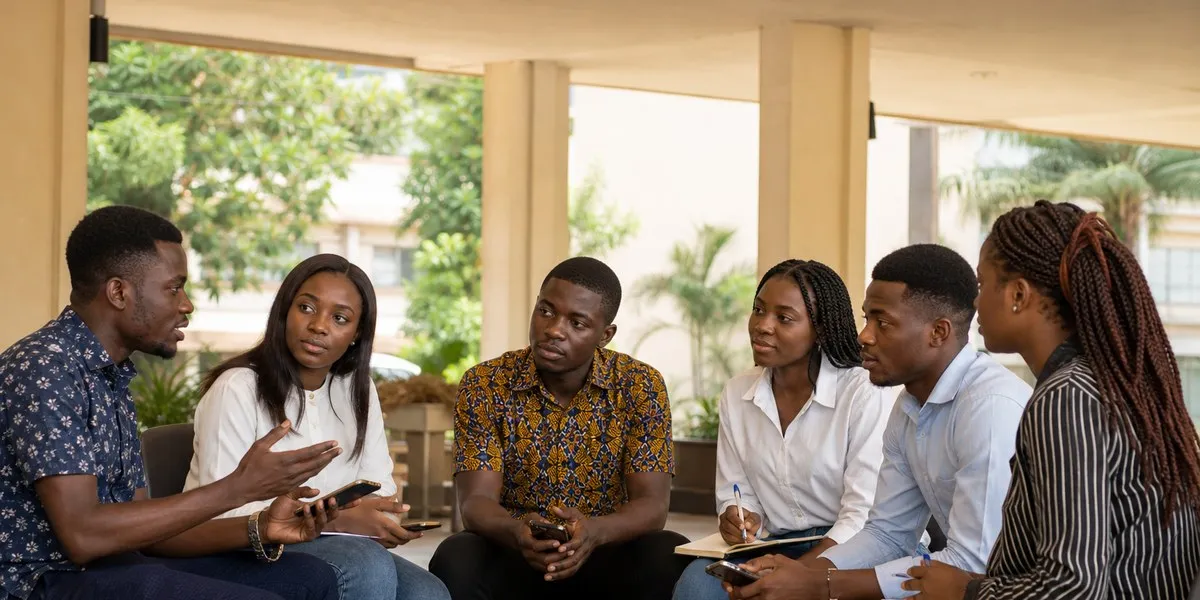
The columnist noted that political culture is shaped not only by parties and politicians, but also by voters, journalists, civil society organizations, religious and traditional leaders, scholars, professionals, and young people. He called on political forces to compete with programs in economic development, education, healthcare, infrastructure, employment, agriculture, energy, industrialization, and national security.
In Debra’s view, Ghana needs not politics without differences, but differences without hatred. Political debates, he said, should focus on policy decisions rather than destroying people’s reputations.