


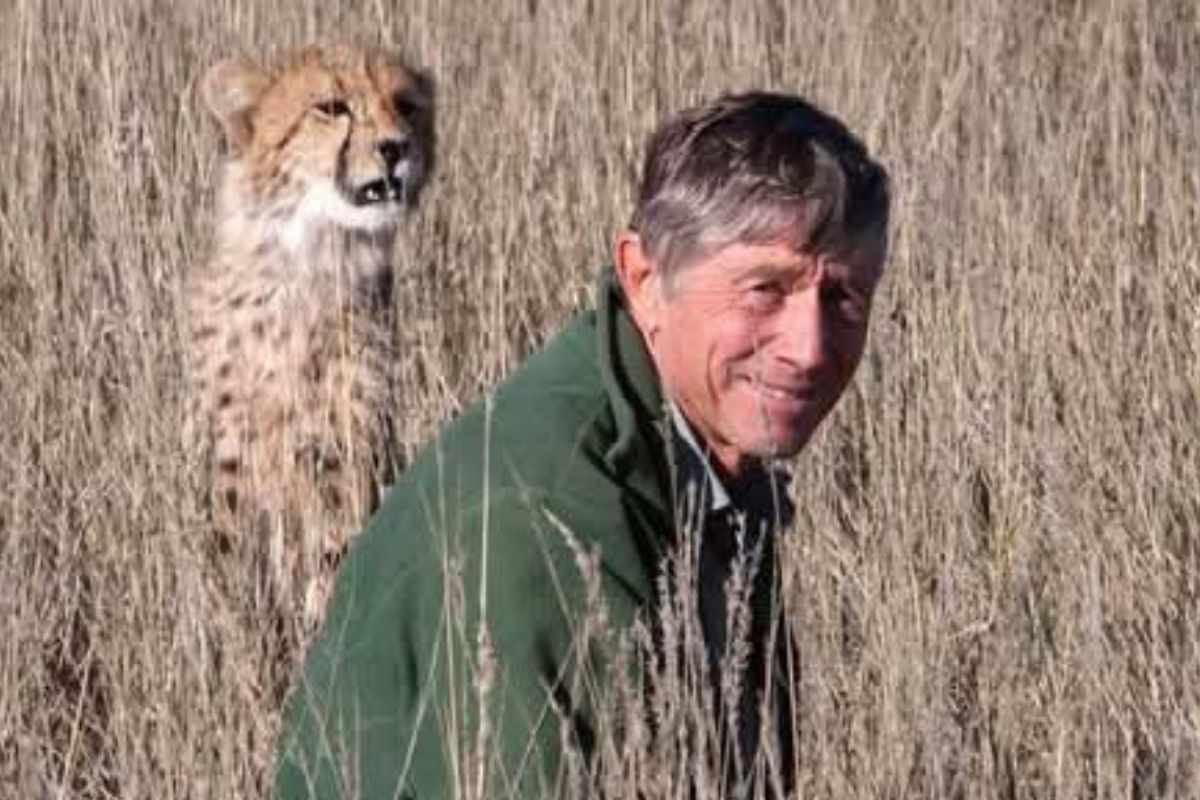
Gus Mills devoted more than 40 years to Africa’s predators, leaving a conservation legacy that continues to shape wildlife science. Image: Facebook
Dr Gus Mills’ legacy leaves a lasting mark on African conservation
Gus Mills devoted more than 40 years to Africa’s predators, leaving a conservation legacy that continues to shape wildlife science.
17-07-26 15:02
in
News
Gus Mills devoted more than 40 years to Africa’s predators, leaving a conservation legacy that continues to shape wildlife science. Image: Facebook


Gus Mills spent decades helping people see Africa’s predators differently, and his work will continue to guide conservation long after his passing.
Dr Michael “Gus” Mills died on July 12 at the age of 77 after battling cancer. Yet his influence stretches far beyond the scientific papers he published.
It lives on in protected areas, research programmes, and the many scientists he mentored across southern Africa.
WHY DID GUS MILLS MATTER SO MUCH?
Few researchers have spent as much time observing predators in their natural environment.
Mills devoted more than 40 years to studying lions, leopards, cheetahs, African wild dogs, brown hyenas and spotted hyenas.
His research transformed scientific understanding of how these species interact and survive within shared ecosystems.
Born in Zimbabwe in 1949, he first studied psychology at the University of Cape Town before completing an Honours degree in Wildlife Management at the University of Pretoria.
He later joined what is now SANParks, where he built a career that centred on Kruger National Park and the Kalahari.
Because he believed in patient field observation, he preferred spending time with animals rather than relying heavily on technology.
His commitment became legendary. Mills and his wife, Margie, lived in a caravan in the Kalahari for 12 years while studying brown and spotted hyenas.
Their work challenged old stereotypes. Instead of portraying hyenas as simple scavengers, they revealed animals with social groups, intelligence and an essential ecological role.
HOW DID HE CHANGE CONSERVATION?
Research only matters if it changes decisions, and Mills achieved exactly that.
His findings helped wildlife managers understand predator and prey relationships, habitat needs and ecosystem balance across southern Africa.
Those insights informed conservation policies and management strategies in protected areas.
He also founded the Wild Dog Advisory Group, which supports the long-term survival of one of Africa’s most endangered carnivores.
According to the International Union for Conservation of Nature, fewer than 7 000 African wild dogs remain across the continent. That makes every conservation decision more important.
WHAT LEGACY DOES MILLS LEAVE?
Mills served as a research associate at the University of Mpumalanga and continued sharing his knowledge throughout his life.
Colleagues described him as approachable and generous, and many of his former students became respected conservation scientists themselves.
Tributes have arrived from around the world. Dr Laurie Marker of the Cheetah Conservation Fund in Namibia remembered him as “a giant in African carnivore ecology” whose science and mentorship inspired generations.
She also recalled that he expected every student to learn about cricket, because curiosity should never stop with one subject.
For many <a href="https://absafricatv.com/tylas-apop-tracklist-sparks-debate-on-global-ambition-versus-south-african-representation/" title="Tyla's A*POP tracklist sparks debate on global ambition versus South African representation”>South Africans, conservation often begins with memories of Kruger or the Kalahari. For researchers, it often begins with the work of Gus Mills.
His studies helped people understand Africa’s predators with greater clarity, and that understanding remains one of the strongest tools for protecting the continent’s natural heritage.


