


Published 11 hours ago
Freddie Hiney
An African economy eyeing deep capital reserves has taken a vital step towards financial sovereignty, now on the brink of opening for public business.
For decades, investors seeking shares in the Democratic Republic of the Congo (DRC), home to a plethora of globally-sought after minerals reportedly boasting trillions of dollars in untapped potential, have had to primarily do so
Meanwhile, the DRC’s capital market, lacking formal securities infrastructure and equity trading opportunities, has been limited to treasury bonds and bank lending. That seems set to change after the DRC’s Finance Ministry and the International Finance Corporation (IFC) signed an agreement to establish the Kinshasa Stock Exchange (KSE) last month.
The DRC’s Finance Minister Doudou Fwamba hailed it as the “missing link in our financial system” when presenting the draft of the KSE to the Senate. Through mobilizing public savings and establishing a direct pathway for international investors, Fwamba believes it “will make it possible to raise the capital necessary to finance major infrastructure projects and the development of the private sector.”
This comes as market appetite for the central African nation appears to be strengthening, signaled by a successful $1.25 Eurobond round in April.
Loading…
Asked when the KSE could begin operations, a spokesperson from the Central Bank of the Congo tells FORBES AFRICA, “promulgation should not be long,” revealing the nation to “have already launched calls for tender for the feasibility study and business plan for the securities exchange in the DRC.”
To mirror local trading, a country where the Congolese franc and the United States dollar are both widely used, the KSE will adopt a dual-currency framework. Digital currencies are believed to be excluded.
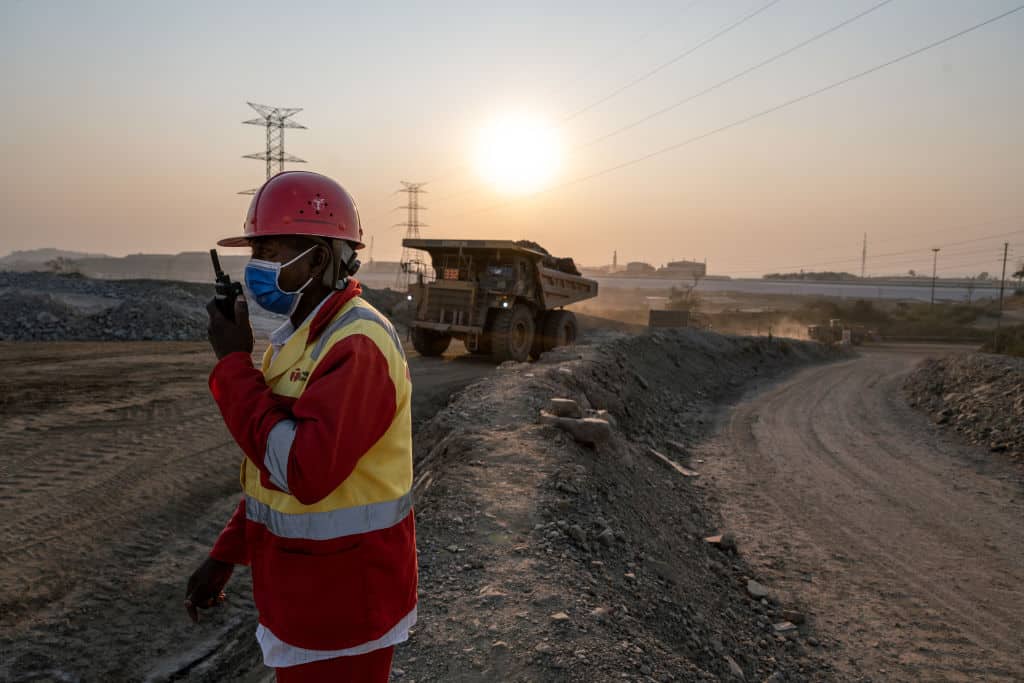
Despite mining being arguably the DRC’s most dominant asset, the spokesperson at the Central Bank of Congo explains how the country is hoping to encourage capital diversification by establishing two exchanges—a securities exchange for financial instruments and a commodities exchange for metals—allowing for “other areas of the national economy, such as water and energy, to be involved.”
Loading…
Related Topics:#Africa, #Featured, #News Letter, #newsletter, #Nigeria, #South Africa.

