Back to News/Environment & Climate Change
Environment & Climate Change
Eight UK Regions Placed on Drought Alert as Heatwave Sparks Supply Crisis
Record heatwaves push eight UK regions toward drought status as Thames Water bans hosepipes for 10.1 million. Global agricultural markets brace for impact.
SFStreamline Feed OfficialVerified
Jul 22, 2026
Updated Jul 22, 2026
Reading
Follow on Google News
Millions of households across England face sweeping water restrictions as record-breaking heatwaves push eight distinct regions to the brink of an official drought declaration. The National Drought Group has warned that river and reservoir levels have dropped to critical lows, prompting utility companies to enforce immediate conservation measures.
The unfolding climate emergency in the United Kingdom threatens to disrupt not only domestic water supplies but also the national agricultural output. For global markets, particularly in East Africa where nations like Kenya rely heavily on European grain and agricultural imports, a compromised harvest in the UK could send ripple effects through global commodity pricing, worsening food inflation already exacerbated by geopolitical tensions.
The Anatomy of the UK Water Crisis
Data released by the Environment Agency and the National Drought Group paints a stark picture of the hydrological deficit affecting the nation. After the driest spring on record for England and Wales, combined with a sustained absence of rainfall in southern and eastern England throughout July 2026, natural water reserves are struggling to recover.
The regions currently under a prolonged dry weather alert—the statutory classification immediately preceding a formal drought—include:
- East Anglia and Lincolnshire: Critical agricultural zones facing severe soil moisture deficits.
- London and the Thames Valley: High-density urban areas placing immense strain on diminished reservoirs.
- The West Midlands and Wessex: Regions experiencing exceptionally low river flows.
- Devon, Cornwall, and the Isles of Scilly: Tourist-heavy counties where seasonal population surges multiply water demand.
The National Drought Group confirms that only 13 percent of rivers in England are flowing at normal levels for this time of year. Major waterways, including the River Avon in Hampshire, the River Wye, and the River Derwent in Yorkshire, are classified as exceptionally low. Furthermore, six critical reservoirs, including Wimbleball, Grafham, and Hanningfield, are categorized as notably low, with the Blagdon reservoir reaching exceptionally low status.
Utility Companies Enforce Drastic Measures
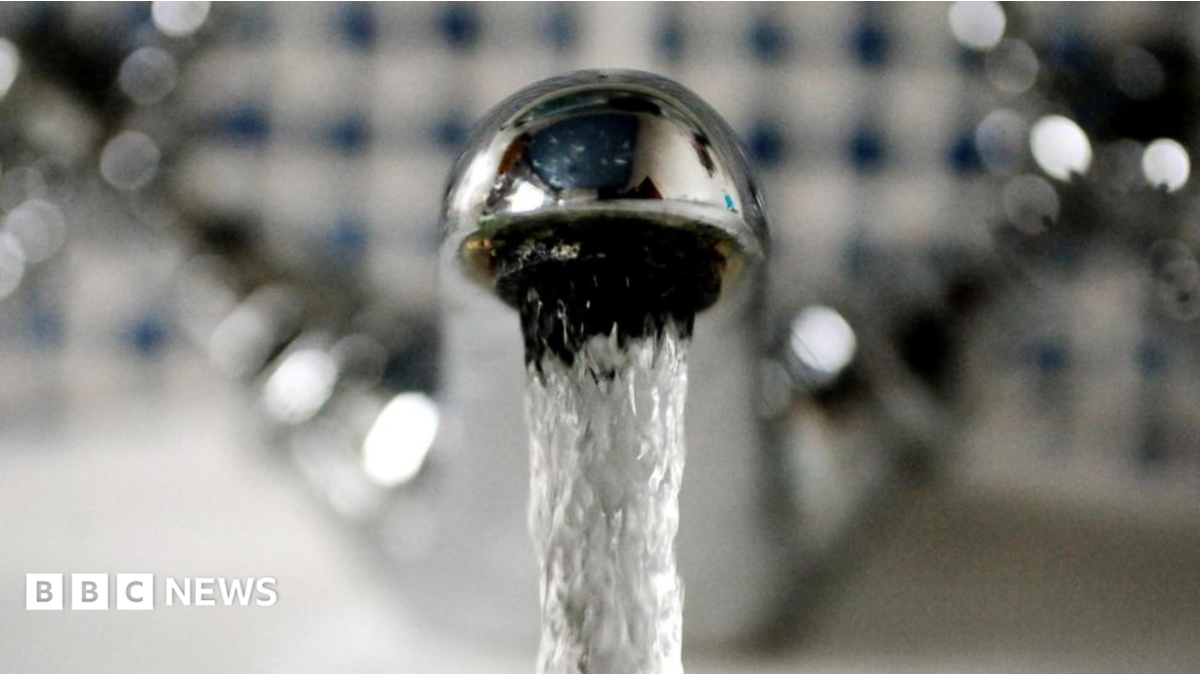
In response to the escalating crisis, water utility firms have activated their emergency protocols. Thames Water, Britain’s largest water and wastewater services provider, has announced a Temporary Use Ban, commonly referred to as a hosepipe ban, affecting 10.1 million customers across London, the Thames Valley, and the Home Counties.
The restrictions, which carry legal weight, prohibit customers from using hosepipes to water gardens, clean vehicles, or fill swimming pools and hot tubs. Violators face substantial fines, signaling the severity of the shortage. Thames Water joins a growing list of regional suppliers, including South East Water, Southern Water, and South West Water, which have already implemented similar prohibitions across Kent, Sussex, Hampshire, and parts of Devon.
Agricultural Impacts and Global Repercussions
The agricultural sector is bearing the brunt of the extreme conditions. The National Farmers Union has issued urgent warnings regarding thedent of the union, emphasized that the next two weeks will dictate whether British supermarkets face significant domestic food shortages later in the year
This domestic crisis in the UK carries profound implications for international trade. For consumers in Nairobi and Lagos, the connection is direct. The UK remains a key player in the global agricultural market, and any disruption to its yield places upward pressure on global commodity prices. If UK grain output plummets, importers in Kenya—already grappling with a Central Bank of Kenya lending rate intended to curb inflation—will face higher costs for essential foodstuffs. The price of wheat, currently trading globally, directly influences the cost of a loaf of bread on Kenyan shelves, which has already seen volatility fluctuating around KES 65 to KES 80.
Infrastructure Resilience Under Scrutiny
The current shortages have reignited fierce debates regarding the resilience of the UK water infrastructure. Critics point to systemic failures by privatized water companies to adequately address pipeline leaks, which result in the loss of billions of liters of treated water daily. Regulatory bodies are facing mounting pressure to hold these corporations accountable, demanding greater investment in reservoir expansion and leak detection technologies rather than prioritizing shareholder dividends.
Environmental scientists caution that the summer of 2026 is not an anomaly but a clear manifestation of accelerating climate change. As heatwaves become more frequent, intense, and prolonged, the traditional models of water management are rapidly becoming obsolete.
The immediate focus remains on conservation and managing the dwindling reserves to ensure essential services continue uninterrupted. However, the long-term prognosis demands a radical overhaul of national water strategies to secure sustainability in an increasingly volatile climate.
The documents, data and reporting consulted for this article. Links open the original material so readers can inspect the evidence directly.
- 01The IndependentNews report
Mapped: The eight UK areas at risk of drought after record-breaking heatwavesBy Nicole Wootton-CanePublished 22 Jul 2026Accessed 22 Jul 2026- • Thames Water hosepipe ban affects 10.1 million customers.
- • Eight regions are on drought alert due to prolonged dry weather.
- • Only 13 percent of rivers in England are at normal levels.
- • National Farmers Union warns of harvest impacts.
- 02Environment AgencyOfficial statement
Primary
National Drought Group updates on water resourcesBy Environment AgencyAccessed 22 Jul 2026- • Classification of prolonged dry weather in the specified regions.
- • River Wye and Avon classified as exceptionally low.
Hot discussions around this story
Keep the conversation in one place—threads here stay linked to the story and in the forums.
Fresh thread
No linked discussion yet. Start one without leaving this page.
Start a conversation about this story and keep it linked here.
E-sports and Gaming Community in Kenya
The Role of Technology in Modern Agriculture (AgriTech)
1030197Agriculture & Food Security
Popular Recreational Activities Across Counties
Investing in Youth Sports Development Programs
You Might Also Like

Former Southern Water CEO Faces Fraud Charges Over Massive Wastewater Testing Cover-Up


Ridge Clean Energy Faces Backlash Over Six Huge Turbines at David Hockney’s Woldgate Spot