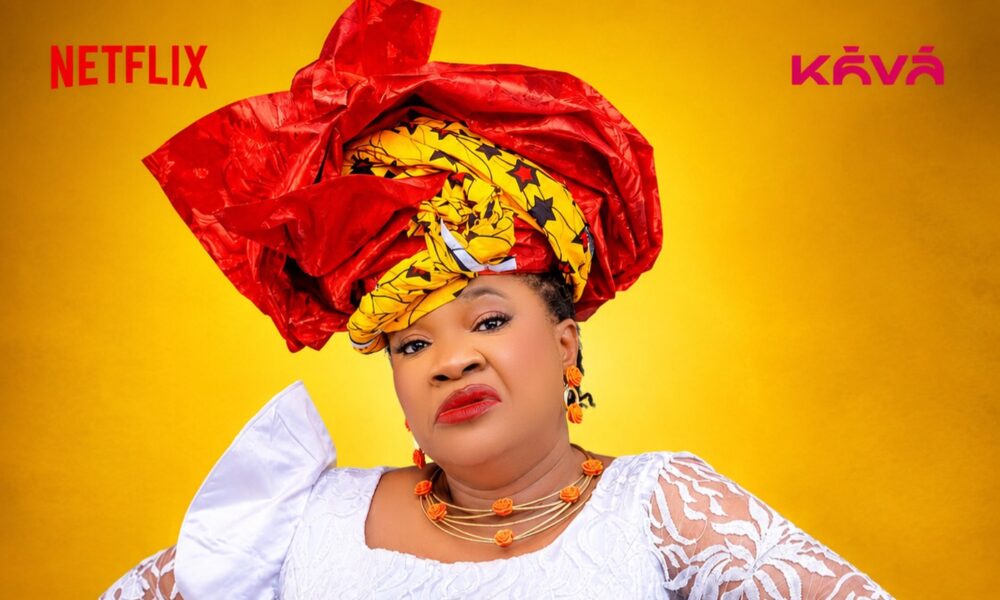
0:00Dineo Moeketsi Langa at the special screening of “The Last Ranger” at Montecasino on 12 February 2025 in Johannesburg, South Africa.
Gallo Images/Oupa Bopape
- The Glenlivet distillery and Dineo Langa have issued a joint apology for a social media post advert referencing the 1956 Women’s March.
- The ANC criticised the ad and released a statement on Friday.
- Langa posted an apology on her X account, writing: “I am sorry for the harm I have caused.”
The Glenlivet distillery and actor Dineo Langa have issued a joint apology for an advertisement on social media referencing the 1956 Women’s March.
The ad, since deleted, links anti-apartheid activist Sophia Williams-De Bruyn, who was 18 when she became one of the leaders of the 9 August 1956 Women’s March, to Glenlivet’s 18-year-old scotch whiskey.
Williams-De Bruyn led the march of 20 000 women in Pretoria alongside Lilian Ngoyi, Rahima Moosa, Helen Joseph, Albertina Sisulu and Bertha Gxowa, in protest against apartheid pass laws for black women.
The ad received backlash online, with the ANC criticising it in a statement on Friday.
https://x.com/Noxxcee/status/2093248187662209451
“The African National Congress (ANC) has noted with deep concern the Glenlivet advertisement that uses the images and legacy of some of South Africa’s most revered struggle icons, including Mama Winnie Madikizela- Mandela, Mama Lilian Ngoyi and Mama Sophie Williams-De Bruyn, alongside the historic 1956 Women’s March, to promote an alcoholic product,” the party’s statement read.
“While we recognise the importance of preserving and celebrating the contributions of our liberation stalwarts, we strongly object to the manner in which this sacred chapter of our history has been appropriated for commercial purposes,” they added.
“The women of 1956 were not cultural props or marketing symbols; they were fearless leaders whose sacrifices and struggles helped secure the freedom and democracy that South Africans enjoy today.”
The party said the contributions of the women who participated in the march “cannot be reduced to a visual association or branding opportunity; it represents a profound national legacy built on courage, sacrifice and resistance”.
“The use of this history to sell alcohol is particularly insensitive because it disconnects the legacy of these women from the lived experiences of communities that suffered under systems where alcohol was deliberately used as an instrument of exploitation and control,” they said.
“Under colonialism and apartheid, practices such as the dop system saw farm and other workers partly compensated with alcohol instead of receiving fair remuneration. This entrenched dependency undermined human dignity and contributed to long-term social harm, particularly among black and working-class communities.”
“It is therefore deeply troubling that a history of resistance against oppression is being associated with the promotion of alcohol without proper consideration of this painful context.”
The ANC asked Glenlivet to remove the ad, issue an apology and provide an explanation why and how the ad was created.
Glenlivet made a post on social media on Friday saying the company and Langa apologise for the ad and that they recognise “the concerns and offence caused by the post”.
They have since removed it from their social media channels.
“The Glenlivet unreservedly apologises for a recent influencer post which drew on the legacy of the 1956 Women’s March,” read the joint apology statement from the distillery and Langa.
“We acknowledge the offence that this has caused and have deleted the post. We are investigating how this post was conceptualised and approved to make sure this does not happen again,” the statement said.
“We wish to reiterate our heartfelt apology to those impacted by the post.”
Langa also posted an apology on her X account, writing: “I am sorry for the harm I have caused. I understand the gravity of this mistake and will be more mindful in future.”
Next on News24
Dolly Parton: Quotes on life, love and music