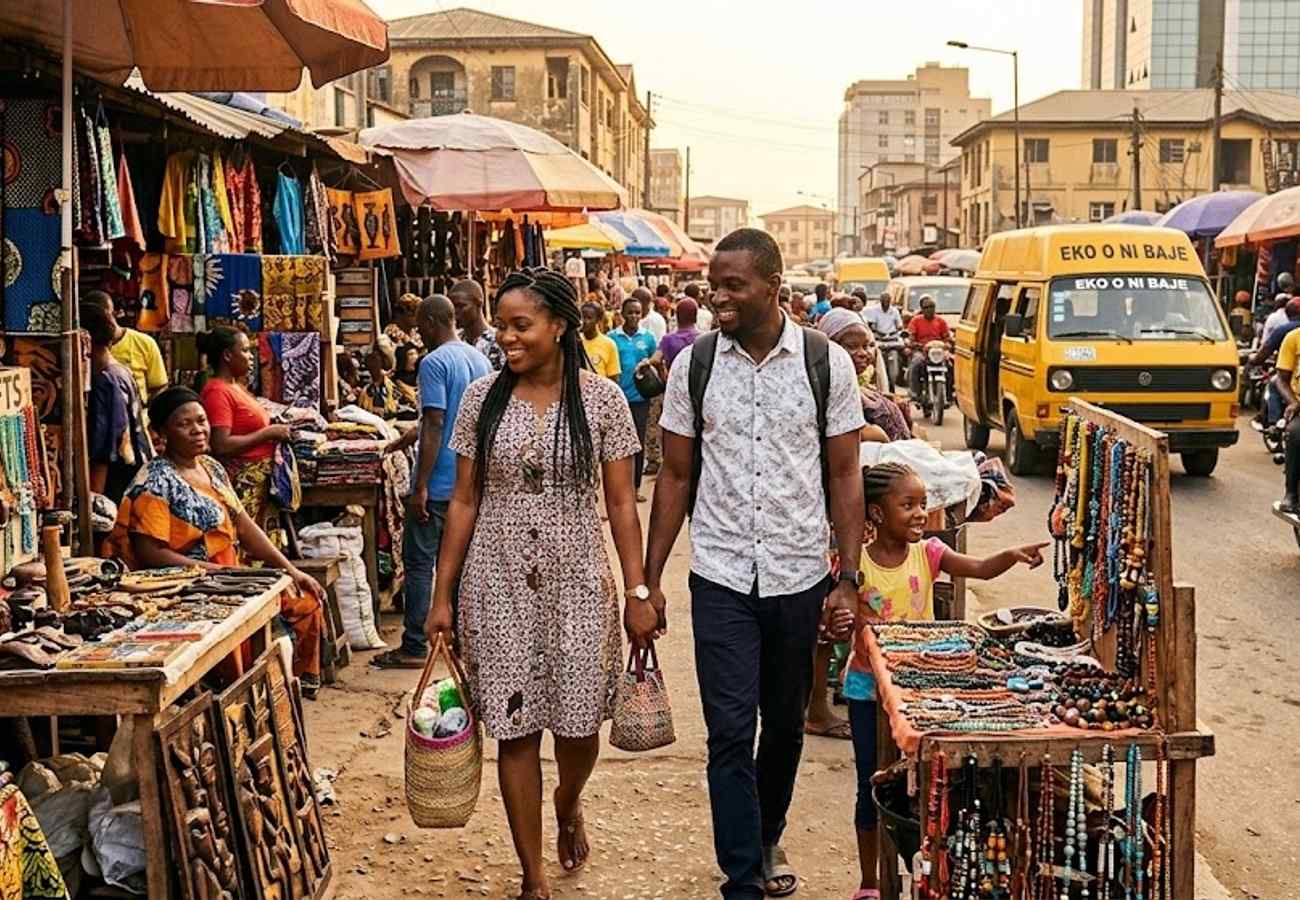
From men and women in traditional Somali attire, to shops and hotels bearing names in their script and Somali Kahwa being sold at cafes, Hyderabad’s Toli Chowk is now home to a ‘Little Somalia’.
1 Aug 2026 1:57 PM IST (Updated:2026-08-01 08:32:38)
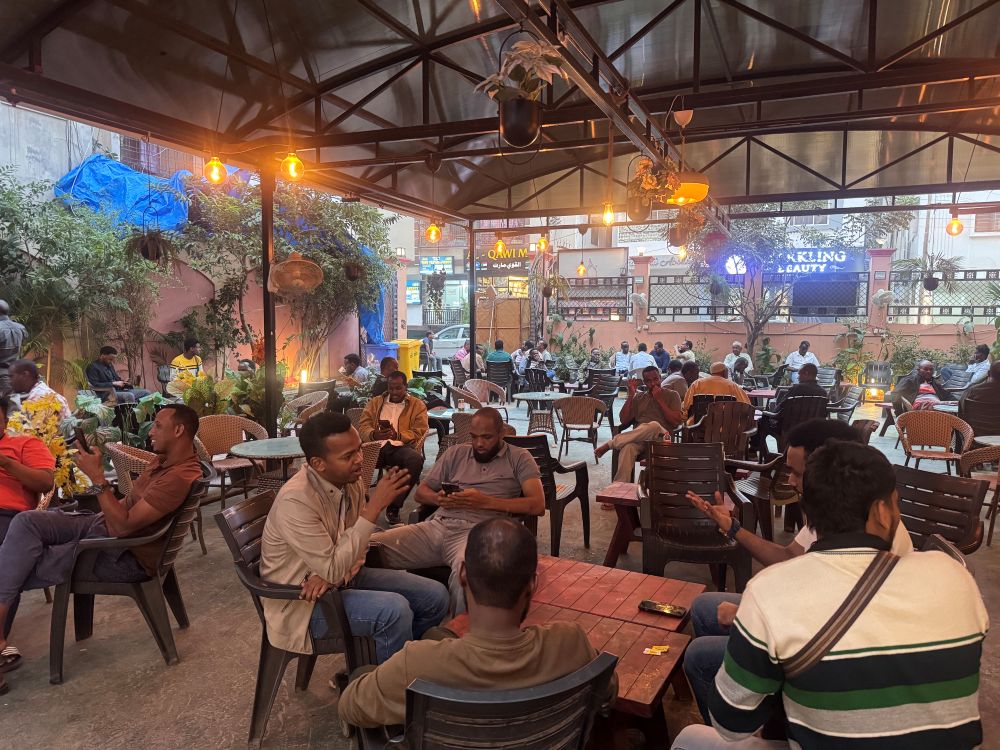
Arees Restaurant and Cafe was alive with conversations and laughter. Photo: Mujeeb Rahman Kinalur
Click the Play button to hear this message in audio format
On a trip to Hyderabad a few months back, as I sat down to unwind on a bench at the city’s Lotus Pond park, a group of people coming from the other end caught my eye.
They were not dressed in the typical attire of Hyderabadis. The men wore loose-fitting clothes in vibrant colours, and the women, all tall, were draped in full niqabs. They appeared to be of African origin. As one of the women settled on my bench, I struck up a gentle conversation.
To my question of where she was from, the woman replied with a smile, “Somalia”.
Her response immediately pulled my mind to thoughts of a nation devastated by a civil war that has been ongoing for over a decade now. Somalia’s healthcare system, she claimed, was completely shattered as a result. And so it seemed that many of them were coming to Hyderabad seeking quality medical treatment at an affordable cost.
Questions remained in my mind, however. Why Hyderabad, instead of cities like Delhi or Mumbai, which are known to draw more foreign nationals?
A little bit of reading told me that this influx incidentally goes back centuries. Hyderabad’s connection with African nations is said to date back to the reign of the Nizams (1713-1948). The sixth Nizam, Mir Mahboob Ali Khan, reportedly instituted a regiment of African cavalry guards. His personal bodyguards were also recruited from Africa. Known as the ‘Siddis’ or ‘Habshis’, they were strong and fiercely loyal warriors. Even today, there is a neighbourhood in Hyderabad named ‘AC Guards’ (African Cavalry Guards), the place where the Nizam’s African cavalry troops were once housed. The accounts I read informed that there remains a sizable community known as the ‘Chaush’, who arrived from Africa, eventually picked up Urdu and Telugu, savoured Hyderabadi Biryani, married local women and rooted themselves here for generations.
The people I had met at Lotus Pond, however, were not the Siddis of yesteryear. My brief conversation with the woman at the park had informed me about a nook inside the city dubbed ‘Little Somalia’ — a place in Paramount Colony, in Hyderabad’s Toli Chowk area.
At home in Hyderabad
My interest piqued, that same evening, I turned my footsteps in the direction of the said neighbourhood.
Walking around, it wasn’t the local Telugu, or even Hindi, conversations that I heard, but the unfamiliar, rhythmic cadence of Somali! Alongside English, shop signs prominently featured their native script. The vibrant shades of African culture were unmissable from the women’s distinct drapes to the men wearing macawiis, a sarong-like traditional garment.
I strolled down the street and stopped in front of a cafe: ‘Arees Restaurant & Cafe’. Though the name was written in English, the vibe inside was pure, unadulterated Africa. Without hesitating, I stepped in.
The place was alive with loud conversations and hearty laughter. Looking closely, I noticed walking sticks resting beside many of them, while others had heavy bandages around their legs. These were people who had crossed the ocean for knee replacements, heart surgeries, and organ transplants, I was told.
I ordered a Somali Kahwa, a potent, spiced coffee laced with ginger, cardamom and cloves that leaves a warm tingle in the throat. I paired it with one of their traditional sweets.
Somali women at a park in Hyderabad’s Toli Chowk. Photo: Mujeeb Rahman Kinalur
Sipping my coffee, I sat back and watched life unfold around me. It was as if a piece of Mogadishu or Hargeisa had been quietly carved out right here.
Chatting with a young man at the cafe, I realised how much they had influenced local flavours as well. A residue of Italian colonisation, pasta remains a comfort staple for Somalis. In this pocket of the city, Hyderabadi spices blend with Somali pasta. Equally popular is Anjero, a sourdough flatbread reminiscent of Indian dosas, though milder in sourness.
Integrating in an adopted land
Taking to the streets again after leaving the cafe, I saw restaurants serving Somalian food, guest houses for the visitors and local translators who accompany patients to hospitals are all part of this vibrant network.
Interestingly, many who now live and trade here had also initially come for medical care or education, I found out. Unable to return home owing to the civil war back home (ongoing since 2009), they eventually became a permanent part of this community. Armed with renewed visas and UN refugee cards, they have quietly built a second home here, and now play host to others from their country who continue to come here seeking medical help.
A little distance from the cafe was a small park. Stepping inside, I was greeted by a charming sight. Somali women sat in circles, chatting happily, while children ran around. Right there on the park benches, a few were selling clothes, perfumes, and homemade kahwa powder. It wasn’t just Somalis; people from across Africa were there; I came across some Sudanese and Nigerians.
Centuries ago, the Siddis arrived with swords and shields, eventually dissolving into the soul of Hyderabad to become ‘Hyderabadis’. Today, these new guests, arriving with medical files and prescriptions, are weaving themselves into the fabric of the city. The culture, flavours, and languages they bring along add vibrant new colours to Hyderabad’s rich cultural tapestry.
On my way back, sitting in the auto-rickshaw, a thought lingered: I had just visited Somalia for the price of an auto fare, without needing a visa or a flight ticket. It was a gentle reminder from the city that human culture, at its heart, is simply the grand sum of our endless journeys of survival.