



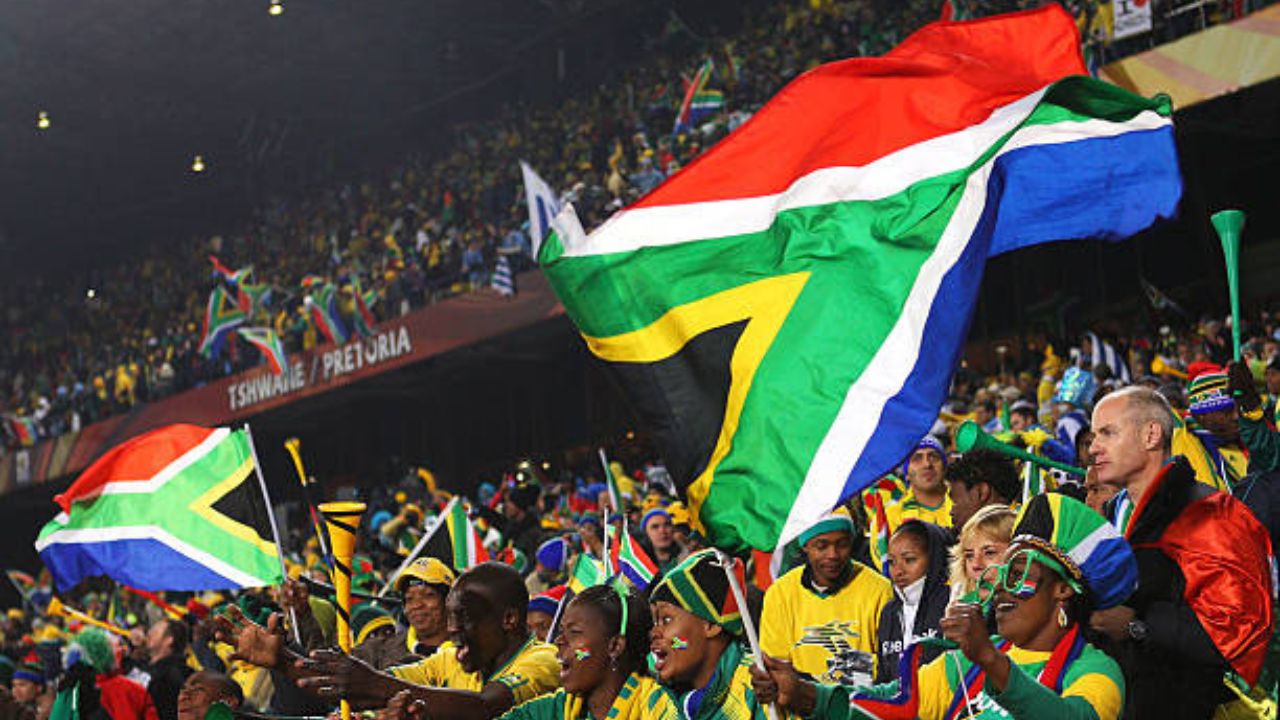
How the 2010 FIFA World Cup changed South African tourism forever
As football fans around the world prepare for another FIFA World Cup, South Africa’s moment on the global sporting stage remains one of the most significant chapters in the country’s tourism history
Sixteen years after hosting the 2010 FIFA World Cup, the tournament continues to be remembered not only for iconic goals and the sound of vuvuzelas, but also for the way it transformed international perceptions of South Africa as a travel destination
The month-long event brought millions of eyes to the country. Television broadcasts showcased dramatic coastlines, wildlife reserves, vibrant cities and cultural experiences to audiences across the globe
While the final whistle blew in July 2010, many of the tourism benefits extended far beyond the tournament itself
‘);
googletag.cmd.push(function() { googletag.display(‘dfp-300×250-2’); });
document.write(‘
‘);
}
A global showcase for South Africa
Before 2010, South Africa was already an established destination for safari tourism and adventure travel. Yet many international travellers still viewed the country as distant and unfamiliar
The World Cup changed that narrative. Broadcasts reached billions of viewers worldwide, offering images of Cape Town’s mountains and beaches, Johannesburg’s urban energy, Durban’s coastline and the country’s diverse landscapes
‘);
googletag.cmd.push(function() { googletag.display(‘dfp-300×250-3’); });
document.write(‘
‘);
}
For many people, it was their first real glimpse of South Africa beyond headlines and stereotypes. The tournament effectively became one of the largest tourism marketing campaigns in the country’s history
Every match, stadium backdrop and fan celebration provided exposure that traditional advertising budgets could never have achieved on the same scale
Tourism experts often point to the World Cup as a turning point in South Africa’s global brand positioning. The country was no longer viewed solely as a wildlife destination
It emerged as a modern, capable host for major international events and a destination that could offer everything from city breaks and cultural tourism to road trips and outdoor adventures
Record visitor numbers
The World Cup attracted hundreds of thousands of international visitors. Fans travelled from all over the world to support their teams and experience the tournament atmosphere
Hotels, guesthouses, restaurants, tour operators and transport providers all experienced increased demand during the event. Many visitors extended their stays beyond match schedules to explore the national parks, wine regions and coastal destinations that South Africa has to offer
While not every tourism forecast made before the tournament was achieved, the influx of visitors still represented a major boost for the industry
More importantly, many travellers left with positive impressions that encouraged repeat visits and word-of-mouth recommendations
Research conducted in the years following the tournament suggested that many international visitors viewed South Africa more favourably after experiencing the country firsthand
Positive visitor experiences helped build confidence among future travellers who may previously have been hesitant about visiting
Infrastructure that continues to benefit travellers
One of the most visible legacies of the 2010 World Cup was investment in infrastructure
Major upgrades were made to airports, roads, public transport systems and stadiums. These improvements were designed to accommodate the influx of visitors during the tournament, but they also created long-term benefits for tourism
The expansion of airport facilities improved connectivity and passenger capacity. Road upgrades enhanced access between cities and tourism regions. Public transport projects introduced new options for residents and visitors alike
Perhaps the most notable example is the Gautrain, which linked Johannesburg, Pretoria and OR Tambo International Airport
Although the project was not built solely because of the World Cup, the tournament accelerated investment and highlighted the importance of modern transport infrastructure
For many today, many of these improvements remain part of the tourism experience, making movement around key destinations easier and more efficient than before 2010
New confidence in hosting global events
The successful hosting of the World Cup demonstrated South Africa’s ability to manage large-scale international events. This achievement strengthened the country’s reputation as a destination for conferences, sporting competitions, exhibitions and cultural festivals
In the years that followed, South Africa continued to attract major international gatherings that contributed to tourism growth and economic activity
The event also provided valuable experience for local tourism businesses. Hotels, tour operators and hospitality professionals adapted to serving large numbers of international guests from diverse cultural backgrounds
The power of national storytelling
The World Cup offered South Africa an opportunity to present its identity to the world on its own terms. Visitors encountered local cultures, music, food, languages and traditions in ways that went beyond typical tourism marketing campaigns
Images of colourful fan parks, community celebrations and warm hospitality helped create a positive narrative around the country
The famous vuvuzela became a symbol recognised around the world, while South African music and culture gained unprecedented international exposure
For tourism, storytelling matters. Travellers are often inspired by the emotional connections they develop with a destination. The World Cup helped create those connections on a global scale
Lessons for the future
The long-term tourism impact of mega sporting events remains a subject of debate worldwide. Hosting such events requires significant investment and benefits are not always guaranteed
However, South Africa’s experience offers valuable lessons. The greatest gains often come not from the event itself but from how a destination leverages the global attention it receives
In South Africa’s case, the World Cup enhanced international awareness, improved infrastructure, strengthened tourism branding and showcased the country’s ability to host visitors from around the world
As another World Cup approaches, the legacy of 2010 remains visible. Travellers continue to visit destinations that were introduced to them during the tournament
Infrastructure developed for the event still supports tourism. Perhaps most importantly, the World Cup helped reshape how the world sees South Africa
Be the first to know – Join our WhatsApp Channel for content worth tapping into! Click here to join!
Tony Brown to leave Boks and join All Blacks coaching team in 2028
Picture:Getty Images
Words:/Getaway Magazine





