



IMF unveils Sub-Saharan Africa regional economic outlook
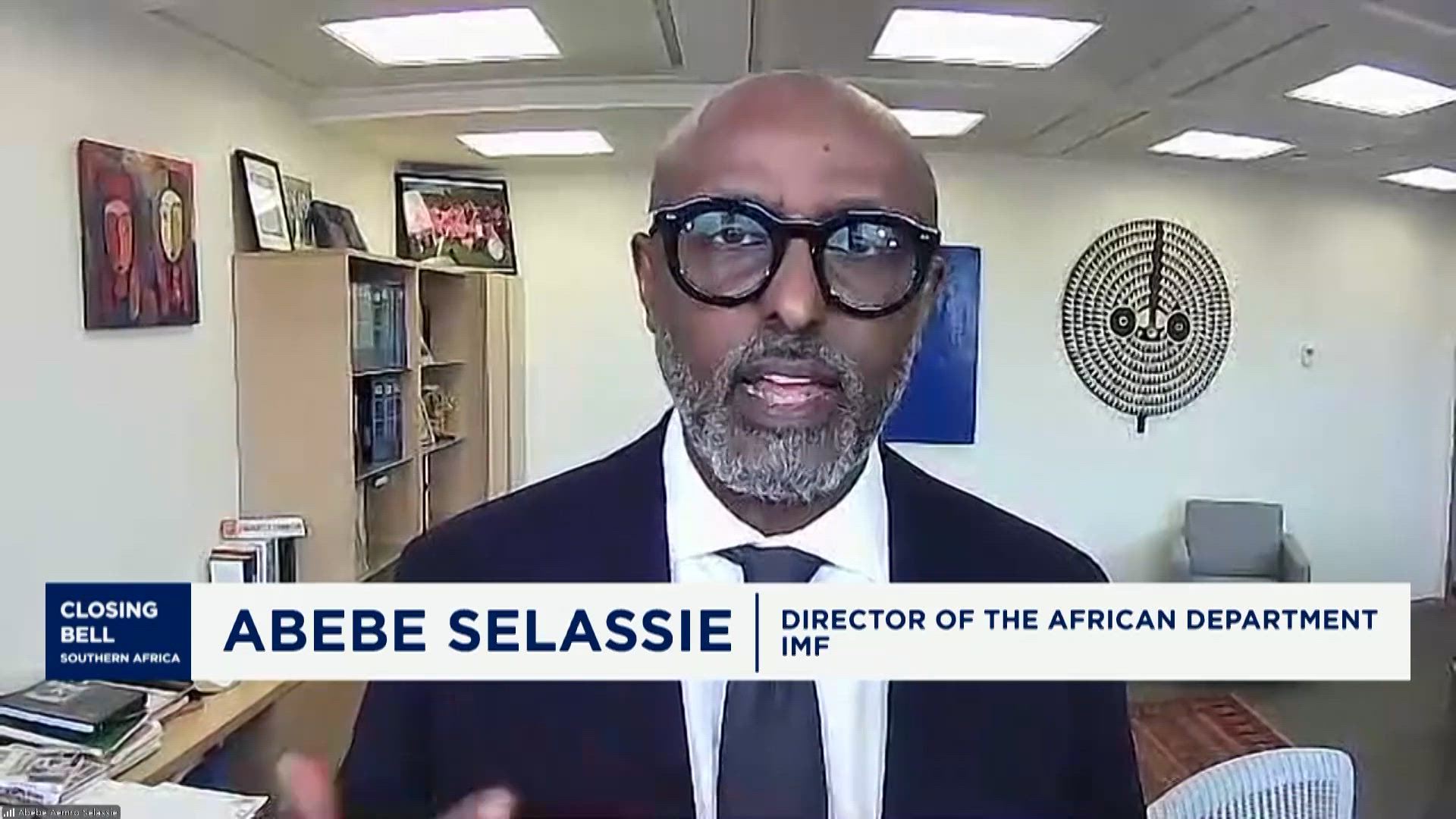
Just as Sub-Saharan Africa had gained its footing, that growth runway might be shortened. Due to the Middle East War; the International Monetary Fund has downgraded its 2026 forecast for the region, to 4.3 per cent from the pre-war forecast. To take us through the details of the Regional Economic Outlook for Sub-Saharan Africa, CNBC Africa spoke with Abebe Aemro Selassie, Director of the African Department at the IMF.
Thu, 16 Apr 2026 16:00:58 GMT
Disclaimer: The following content is generated automatically by a GPT AI and may not be accurate. To verify the details, please watch the video
AI Generated Summary
Key Points:
- The IMF downgraded Sub-Saharan Africa’s 2026 growth forecast to 4.3% from its pre-war projection.
- Regional growth had accelerated to around 4.5% last year, the fastest pace in almost a decade.
- The IMF says the recovery was driven mainly by structural reforms rather than cyclical factors.
- Post-pandemic reforms included fiscal adjustment, exchange-rate realignment and banking-sector repair.
- Higher oil prices from the Middle East war are expected to hurt oil-importing economies through inflation and fiscal pressure.
- Some oil-exporting countries may not benefit immediately because crude contracts take time to reprice while refined fuel imports have already become more expensive.
- The IMF is urging oil exporters to save and invest windfall revenues instead of boosting short-term spending.
- Support measures for vulnerable populations should be temporary and targeted, according to the Fund.
- Median inflation in the region is expected to rise to about 5% from 3.4% last year.
- The IMF is not recommending aggressive blanket monetary tightening, but says central banks must stay alert to persistent inflation risks.
- Abebe Selassie said preserving investment in infrastructure and human capital is critical to keeping the region on its development path.
- Selassie is set to step down as director of the IMF’s African Department and said he plans to continue contributing to Africa’s development.
Topics
IMFSub-Saharan AfricaAfrica economyeconomic outlookMiddle East waroil pricesinflationgrowth forecastAbebe Selassiefiscal policycentral bankseconomic reforms
The International Monetary Fund has trimmed its outlook for Sub-Saharan Africa, warning that the region’s strongest growth momentum in nearly a decade is now at risk from the fallout of the Middle East war, even as underlying reforms continue to support a more resilient economic base
Speaking in an interview on the IMF’s latest regional economic outlook, Abebe Selassie, director of the Fund’s African Department, said growth across Sub-Saharan Africa had accelerated to about 4.5% last year, marking the fastest pace in almost 10 years. That improvement, he said, was driven less by temporary cyclical factors and more by deeper structural reforms implemented by governments across the region in the aftermath of the pandemic.
But the conflict-linked shock has forced the IMF to downgrade its 2026 growth forecast for the region to 4.3% from its pre-war projection, highlighting how external disruptions continue to interrupt Africa’s recovery story just as many economies had begun stabilizing
Selassie said the rebound followed difficult years in which many countries grappled with widened fiscal deficits, exchange-rate dislocations, the emergence of parallel currency markets, financial-sector strains and weak bank balance sheets. In response, policymakers across the region introduced fiscal adjustments, narrowed exchange-rate misalignments and worked to improve banking-sector health, including reducing non-performing loans.
Those efforts, he said, laid the groundwork for stronger growth. “It was more structural than it was cyclical,” Selassie said, referring to the region’s 2025 gains. “All of these reforms are what paved the way for an acceleration of growth last year to 4.5%.”
The latest downgrade underscores the fragility of that progress. Higher energy prices stemming from the Middle East conflict are expected to weigh on oil-importing economies through rising import bills, inflationary pressure and increased demands on government budgets to cushion households from higher living costs. At the same time, even oil-exporting countries may not be insulated in the near term.
According to Selassie, several African crude exporters are not yet seeing immediate fiscal gains because oil contracts take time to reprice, while many still import refined fuel, whose prices have already jumped. That means some exporters could face a temporary squeeze before any revenue windfalls materialize
The IMF estimates that around eight or nine countries in Sub-Saharan Africa are oil exporters, and for those nations the Fund’s message is clear: avoid repeating past mistakes. Any windfall from higher oil prices, Selassie said, should be saved and directed into long-term investment rather than used to expand near-term spending commitments
Historically, he noted, periods of elevated oil prices have often encouraged governments to focus on immediate fiscal pressures rather than economic diversification. This time, the IMF is urging countries to use any additional revenue to reduce dependence on natural reproductive capacity
For oil importers, the picture is more challenging. Governments may feel compelled to intervene to soften the impact of higher transport costs and broader inflation on households and businesses. But Selassie said any support measures should be temporary, targeted and carefully designed so they do not derail medium-term development priorities
“The last thing we need is for the region to be thrown off course from its development trajectory,” he said, stressing the importance of preserving spending on infrastructure, schools, universities and other long-term investments
The inflation outlook has also become more complicated. Selassie said inflation had been moving in the right direction across much of the region in 2025, with consumer and producer prices becoming more manageable. Now, however, the oil shock threatens to reverse some of those gains
Even so, the IMF is not yet calling for aggressive, across-the-board monetary tightening. Selassie said policymakers should focus on keeping inflation expectations anchored, while recognizing that the appropriate response will differ by country depending on liquidity conditions, exchange-rate pressures and domestic food supply trends
In some countries, strong harvests and easing price trends may reduce the need for immediate rate hikes. In others, weaker currencies could intensify imported inflation and require a firmer policy response. Central banks, he said, will need to remain vigilant and flexible rather than rush into tightening that could undermine the recovery
The IMF expects median inflation in the region to rise to about 5% from 3.4% last year. While Selassie described that level as still manageable, he cautioned that any more persistent acceleration would be especially damaging for lower-income households, which are most exposed to rising food and transport costs
The broader message from the Fund is one of guarded resilience. Sub-Saharan Africa enters this latest shock on stronger footing than in previous years, thanks to reform momentum and macroeconomic repair. But the region remains vulnerable to external events, and the policy challenge now is to absorb the immediate hit without sacrificing hard-won gains in stability and development
The interview also marked a personal transition for Selassie, who is set to leave his post as director of the IMF’s African Department after about a decade in the role. Reflecting on his tenure, he described it as a privilege to work with policymakers across the Fund’s 45 Sub-Saharan African member countries during a period defined by repeated crises, from the pandemic to commodity shocks and financial pressures.
Selassie said he intends to continue serving the region in whatever capacity he can, adding that returning to the African continent is part of his plan. For now, however, his parting assessment is that Africa’s recent gains are real, but they will need to be defended carefully
The IMF’s latest forecast revision serves as a reminder that while reforms have strengthened the region’s fundamentals, external shocks can still quickly alter the trajectory. For governments across Sub-Saharan Africa, the immediate task is to navigate higher energy prices and inflation without losing sight of the longer-term goal: building more diversified, durable and inclusive economies
ChooseCNBC Africaas your preferred source on Google and never miss a moment from the most trusted name in business news.





