


India Builds a New Tourism Blueprint as FAITH Conclave 2026 Unveils Ambitious Plans to Transform 50 Destinations and Attract Millions of Global Travellers – Travel And Tour <a href="https://absafricatv.com/what-the-world-cup-can-teach-us-about-human-connection/” title=”What the World Cup Can Teach Us About Human Connection”>World
India Builds a New Tourism Blueprint as FAITH Conclave 2026 Unveils Ambitious Plans to Transform 50 Destinations and Attract Millions of Global Travellers
FAITH has introduced a six-point Tourism Growth Charter seeking policy reforms, stronger infrastructure, easier travel access and global branding to accelerate India’s tourism economy.
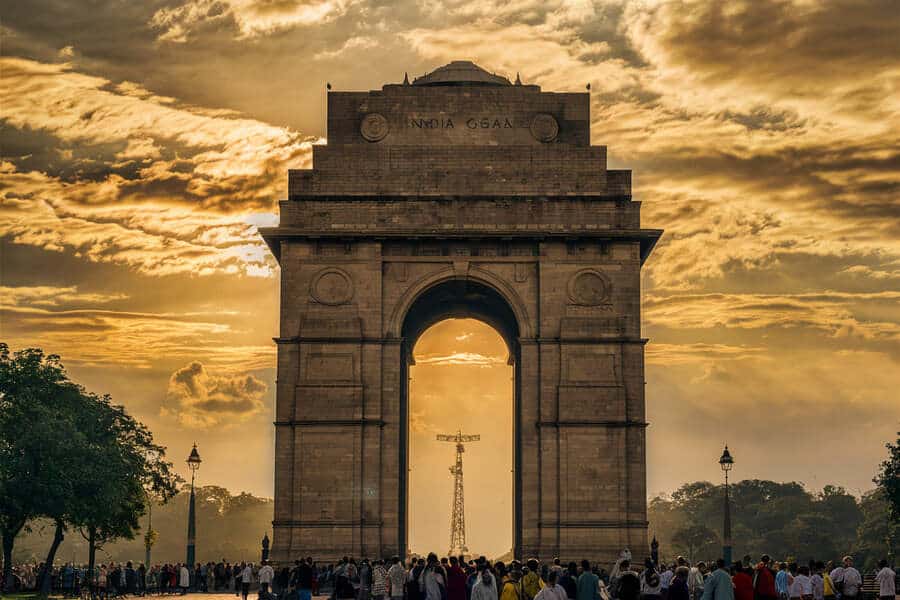
India’s tourism sector has entered a crucial phase of expansion as the Federation of Associations in Indian Tourism & Hospitality (FAITH) has presented a comprehensive growth roadmap aimed at transforming the country into one of the world’s leading travel destinations. Released during the FAITH Conclave 2026 in New Delhi, the Tourism Growth Charter calls for major policy changes including infrastructure status for tourism projects, industry status across all states, faster development of 50 priority destinations, a globally funded Brand Bharat marketing campaign, visa liberalisation, improved connectivity and rationalised taxation. The proposal comes as India seeks to strengthen tourism’s role as an economic driver capable of creating jobs, supporting entrepreneurship and spreading development beyond major cities. The two-day conclave, themed “Incredible India: Invaluable Economics”, brought together government representatives, tourism businesses and international experts to discuss strategies for unlocking the sector’s potential. FAITH believes tourism can deliver stronger economic returns if supported by coordinated policy execution, private investment and modern infrastructure. The charter highlights the need to move from recognising tourism’s potential to creating a practical framework that enables large-scale growth.
FAITH’s Six-Point Tourism Growth Charter Sets a New Reform Agenda for India
The Tourism Growth Charter presented by FAITH outlines six major priorities designed to improve India’s competitiveness in the global tourism market. The recommendations focus on creating a stronger investment environment, expanding destination infrastructure and improving traveller accessibility. The first priority is granting infrastructure status to tourism projects at the central level and ensuring industry status for tourism businesses across Indian states. FAITH argues that these measures would improve access to finance, reduce borrowing challenges and encourage greater private sector participation. The charter also proposes mission-mode development of 50 tourism destinations with clear timelines and implementation strategies. By focusing investment on selected destinations, India can improve visitor facilities, connectivity and international appeal. The recommendations reflect a shift towards structured tourism planning rather than isolated development projects. According to FAITH, tourism requires long-term policy support because it creates economic opportunities across transport, hospitality, retail, food, culture and local communities. The organisation believes these reforms can help India compete more effectively with established global tourism markets.
Infrastructure Status Could Unlock Greater Investment Across India Tourism Projects
One of FAITH’s strongest recommendations is granting infrastructure status to tourism at the national level. Currently, tourism businesses often face challenges in accessing affordable finance compared with traditionally recognised infrastructure sectors. FAITH believes infrastructure recognition could encourage banks and financial institutions to provide better lending conditions for hotels, resorts, convention facilities, tourism hubs and other visitor-focused projects. The move could support the development of modern accommodation capacity and destination facilities required to handle increasing domestic and international demand. The charter also calls on all states to provide industry status to tourism enterprises, creating a more consistent investment environment across India. State-level recognition could support smaller businesses, including homestays, tour operators and experience providers. The proposal aligns with India’s broader ambition to increase tourism’s contribution to economic growth. Better financial access could allow destinations to develop facilities matching international expectations while creating employment opportunities in regional areas. FAITH believes tourism infrastructure investment will have a multiplier effect across multiple sectors of the economy.
India Plans Mission-Mode Development of 50 Tourism Destinations
The development of 50 tourism destinations on a mission basis represents another central recommendation of the FAITH Charter. The proposal aims to move beyond broad tourism promotion by creating focused destination-development programmes with measurable targets. Selected destinations would require improvements in transport links, accommodation capacity, visitor amenities, digital services and experience design. India has thousands of cultural, natural and historical attractions, but many locations lack the infrastructure needed to attract larger visitor volumes. FAITH’s proposal seeks to address this gap by creating destination models capable of competing internationally. The approach could benefit heritage locations, coastal areas, spiritual centres, wildlife regions and emerging leisure destinations. Successful destination development requires coordination between central authorities, state governments, local communities and private investors. By establishing clear timelines and responsibilities, the programme could improve implementation efficiency. The initiative reflects a growing understanding that tourism growth depends not only on attracting visitors but also on delivering high-quality experiences after they arrive.
Brand Bharat Campaign Proposed to Strengthen India’s Global Tourism Image
FAITH has called for a globally funded “Brand Bharat” campaign to strengthen India’s international tourism presence. While India has significant cultural, culinary, spiritual and natural assets, the organisation believes these strengths need stronger global communication to compete with leading destinations. A coordinated international marketing campaign could showcase India’s diversity through targeted storytelling across major source markets. The proposal aims to build a stronger identity around authentic experiences, heritage, wellness, cuisine, festivals and landscapes. FAITH believes government-backed international promotion can increase awareness among overseas travellers and create stronger inbound tourism demand. The campaign would complement existing national initiatives such as Incredible India while introducing a wider global positioning strategy. WTTC President and CEO Gloria Guevara highlighted India’s unique tourism resources during the conclave, noting that the country already possesses the assets required for growth. The challenge, according to industry leaders, is converting these advantages into stronger visitor numbers through effective promotion, accessibility and market-focused communication.
Visa Reforms and Easier Entry Procedures Could Increase International Arrivals
Improving travel accessibility is another key element of the Tourism Growth Charter. FAITH has recommended expanding e-visa access and simplifying entry procedures to make India more convenient for international visitors. Visa processes often influence destination decisions, particularly when travellers compare multiple countries offering similar experiences. Easier entry systems can encourage more spontaneous travel, longer stays and repeat visits. India has already expanded digital visa facilities for many travellers, but industry stakeholders believe further improvements could strengthen inbound tourism growth. Simplified procedures would benefit leisure travellers, business visitors, conference delegates and diaspora communities. The charter highlights that tourism competitiveness depends not only on attractions but also on how easily visitors can access them. Faster immigration processes, improved airport experiences and better digital systems can enhance the overall journey. FAITH believes visa liberalisation should form part of a wider strategy to position India as a welcoming and globally connected destination.
Better Connectivity and Visitor Infrastructure Required for Tourism Expansion
The FAITH Charter also emphasises the importance of strengthening tourism infrastructure beyond accommodation facilities. It highlights investment needs in last-mile connectivity, convention centres, cruise terminals, digital infrastructure and visitor amenities. Many destinations with significant tourism potential continue to face challenges related to transport access, information availability and visitor services. Improving these areas would allow more regions to participate in tourism growth. Better road, rail and air connectivity can encourage travellers to explore beyond major cities and established tourist circuits. Convention infrastructure could also support business events and international meetings, while cruise terminals could expand opportunities in coastal tourism. Digital infrastructure is becoming increasingly important as travellers depend on online information, booking platforms and mobile services throughout their journeys. FAITH believes infrastructure development should focus on creating seamless travel experiences from arrival to departure. Stronger facilities would not only improve visitor satisfaction but also encourage private investment in emerging tourism markets.
Tax Rationalisation and Single-Window Approvals to Encourage Investment
FAITH has also called for rationalising tourism-related taxation and introducing a single-window clearance system to simplify project development. Industry leaders argue that complex approval processes and tax structures can increase operational costs and delay investment decisions. A streamlined regulatory environment could encourage more domestic and international companies to invest in hotels, resorts, tourism attractions and supporting infrastructure. The proposed single-window system would allow investors to manage approvals more efficiently by reducing administrative barriers. Tax reforms could improve the competitiveness of Indian tourism businesses compared with international destinations. The industry believes that reducing unnecessary complexity would support entrepreneurship and help smaller tourism operators grow. These measures are viewed as essential for building a stronger tourism ecosystem capable of supporting millions of travellers. FAITH’s recommendations highlight that policy stability and ease of doing business are critical factors in attracting long-term investment into the tourism sector.
Government Highlights Tourism as a Nation-Building Economic Force
Government representatives at the FAITH Conclave 2026 reinforced the importance of tourism in India’s economic development strategy. Union Tourism Minister Gajendra Singh Shekhawat described tourism as a nation-building sector that creates employment, supports entrepreneurship and connects rural communities with economic opportunities. He highlighted India’s heritage and cultural diversity as valuable national assets while emphasising collaboration between government and industry. The minister stated that India’s goal is to become the world’s most authentic experience destination where heritage remains active and meaningful. Delhi Lieutenant Governor Taranjit Singh Sandhu also highlighted the capital’s importance as an international gateway, pointing to opportunities in connectivity, hospitality infrastructure and heritage development. The discussions reflected a shared view that tourism growth requires coordinated action rather than isolated initiatives. Policymakers and industry leaders agreed that investment, sustainability and community participation must remain central to future development. The conclave reinforced the belief that tourism can contribute significantly to India’s long-term economic ambitions.
Public Private Partnership Seen as Key to Making India a Global Tourism Leader
The FAITH Tourism Growth Charter represents a broader push towards stronger cooperation between government agencies and private sector stakeholders. Industry leaders believe India’s tourism potential can only be fully realised through coordinated planning, investment and execution. Public authorities can provide policy support and infrastructure frameworks, while private companies can contribute innovation, technology and market reach. The proposed reforms aim to create a tourism ecosystem that benefits businesses, travellers and local communities. With global competition increasing, destinations must offer not only attractive experiences but also efficient systems, modern facilities and strong international visibility. FAITH believes implementing these recommendations could help India strengthen its position in global tourism rankings during the current decade. The charter presents tourism as more than a travel sector. It positions tourism as a driver of employment, investment, cultural preservation and regional development. The coming years will determine how effectively these recommendations translate into action and whether India can convert its vast tourism potential into sustainable economic growth.
This content is protected under the Copyright Act. Unauthorized scraping, AI extraction, reproduction, or republication is strictly prohibited. Read ourCopyright Policy.Follow Travel And Tour World in Google News



PARTNERS









REGIONAL NEWS
Europe


Barcelona Consorts With Paris, Amsterdam, London and More European Cities Strugg
Switzerland, Kenya, and Rwanda Connects Through Tschuggen Collection’s Green G
America

Emirates, Lufthansa, SWISS, Delta Air Lines, British Airways and More Global Air

Mexico Lets Indian, Chinese and Other Visa-Required Travellers Skip Tourist Visa
Middle East
UAE Aonal Service
Saudi Arabia Aligns with UAE, Kuwait, Oman and Qatar as Bahrain Continues Visa-F
India Builds a New Tourism Blueprint as FAITH Conclave 2026 Unveils Ambitious Pl


India’s Jharkhand Tourism Gets a Powerful Digital Boost as EaseMyTrip Joins Ha
We use cookies on our website to give you the most relevant experience by remembering your preferences and repeat visits. By clicking “Accept”, you consent to the use of ALL the cookies.Do not sell my personal information.
Settings
Manage consent
X

