For India, it said, the crisis has made trade with Europe, the UK, North Africa and the US East Coast slower and more expensive, hurting MSME exporters through higher freight, insurance and working-capital costs.
PTI
August 16, 2026 / 15:23 IST
Representative image
- Red Sea crisis hits 1,000 days, disrupting global trade.
- India’s trade with Europe, US East Coast slower, costlier.
- India must boost shipping, naval protection, alternative routes.
Did our AI summary help?
Webinar by Vishal Malkan
in your portfolio by Vishal Malkan


With growing shipping chokepoints, India must treat maritime insecurity as a persistent trade risk and strengthen its domestic shipping capacity, trade finance, naval protection and alternative transport corridors, economic think tank GTRI said on Sunday.
It said that the Red Sea crisis has completed 1,000 days without a durable solution, showing that military action can intercept missiles but cannot restore commercial confidence.
For India, it said, the crisis has made trade with Europe, the UK, North Africa and the US East Coast slower and more expensive, hurting MSME exporters through higher freight, insurance and working-capital costs.
“As shipping chokepoints are growing, India must treat maritime insecurity as a continuing trade risk and strengthen domestic shipping capacity, trade finance, naval protection and alternative transport corridors,” GTRI Founder Ajay Srivastava said.
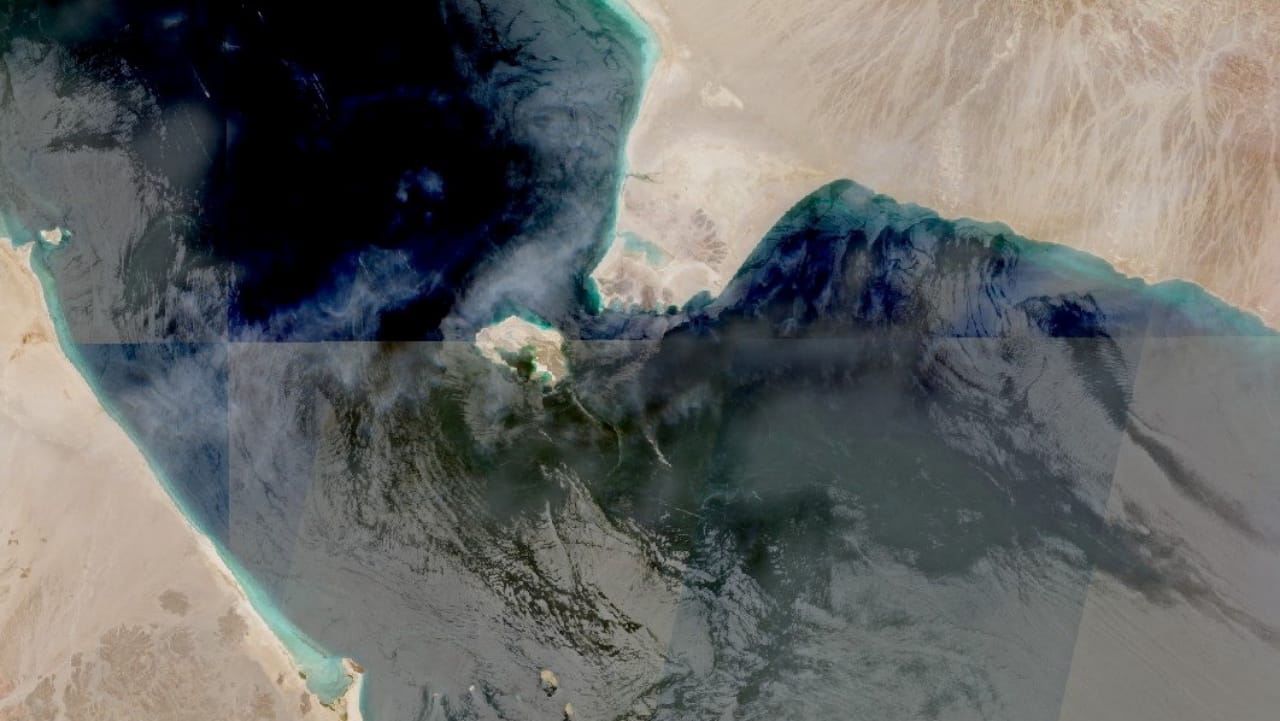
The Red Sea is a vital maritime link between the Indian Ocean and the Mediterranean Sea, with ships travelling from Asia through the Arabian Sea, Gulf of Aden, Red Sea and Suez Canal before entering the Mediterranean.
The route connects major trading regions, including India, the Middle East, North Africa and Europe, and passes close to countries such as Yemen, Djibouti, Eritrea, Saudi Arabia and Egypt.
For Indian exporters, the route was significantly disrupted from November 2023, when Yemen-based Houthi forces began attacking commercial cargo ships in the Red Sea and the Bab el-Mandeb Strait in support of Palestinians amid the Israel-Hamas war.
The attacks forced major shipping lines to avoid the Red Sea and Suez Canal and reroute vessels around the Cape of Good Hope (encircling the African continent), adding thousands of nautical miles to the journey and significantly increasing transit times, freight costs and insurance premiums for India-Europe trade.
The GTRI said that the Red Sea shipping crisis completed 1,000 days on August 15.
“What began as a regional security problem has become a long-term disruption to global trade,” it said, adding that the wider US-Israel-Iran conflict has added to the uncertainty by threatening other important shipping routes in West Asia.
Major container companies continue to send much of their Asia-Europe and Asia-US East Coast traffic around Africa’s Cape of Good Hope.
It said that Suez Canal traffic remains 60-70 per cent below its pre-crisis level, and the diversion around Africa absorbs an estimated 5-7 per cent of global container capacity and adds 10-14 days to many voyages.
“Freight rates remain about 25-40 per cent above normal levels, while ships also face war-risk insurance charges. This two-route system – Suez for some ships and the Cape for others -could continue into 2027,” it said.
Around 80 per cent of India-Europe merchandise trade normally uses the Red Sea route. Markets served through this corridor account for about half of India’s exports and 30 per cent of imports.
The most exposed markets are the UK, Germany, the Netherlands, Belgium, France, Italy, Spain, Greece, Egypt, Israel, Jordan, North Africa and the US East Coast.
The US West Coast is less affected because most cargo travels across the Pacific. Trade with the UAE, Oman and Qatar does not require the Suez Canal, but it still faces higher insurance costs and wider regional security risks.
“At the worst points of the crisis, freight rates on some India-Europe and India-US routes increased by 200-400 per cent. Longer voyages raised fuel, freight, insurance and inventory costs. They also delayed payments and blocked exporters’ working capital for additional weeks,” Srivastava said.
He added that MSME exporters suffered the most and goods such as garments, engineering goods, chemicals, leather, carpets, rice, spices, grapes and marine products, often having low profit margins, cannot easily absorb higher freight costs.
“The 1,000-day milestone is more than an anniversary. It shows that shipping disruptions caused by wars can continue longer than business contracts, government support programmes and normal inventory cycles,” he said.
He suggested that India should treat maritime insecurity as a recurring risk to international trade, not as a temporary problem.
PTI
first published: Aug 16, 2026 03:23 pm
Discover the latest Business News, Sensex, and Nifty updates. Obtain Personal Finance insights, tax queries, and expert opinions on Moneycontrol or download the Moneycontrol App to stay updated!
Watch
Trending news


Indian man rejected from H-1B lottery 3 times spends Rs 12 lakh to get alternate US visa
- NASA engineer spent Rs 19,000 to start side hustle, now she makes over Rs 30 lakh/month
- He woke a sleeping polar bear with a ship horn. Minutes later, it cost him Rs 5 lakh
- ‘I remember most fondly’: XLRI professor gets emotional farewell after 33 tears at institute
- He paid Rs 150 for an auto, but Bengaluru traffic still forced him to walk the last 2 km home. Man explains ordeal
- Shah Rukh Khan celebrates 80th Independence Day, shares new pic in white kurta pyjama: ‘Proud to be an Indian’
- Disney Fan Event 2026: X-Men cast, Frozen 3, Coco 2 and more major reveal and announcements – Watch
- From sleeping on footpaths to building Rs 200 crore Café Niloufer: Babu Rao’s journey from waiter to owner of Hyderabad’s iconic eatery
- This 17-year-old from Tamil Nadu left India’s JEE-NEET race and won Rs 3.55 crore scholarship to Brown University
- iPhone 18 Pro leaks roundup: New camera, design, processor, RAM upgrade and all we know so far
- Samsung Galaxy S25 Ultra price in India drops to Rs 57,949 on Flipkart with exchange and bank offers
- Independence Day weekend: 5 places to visit within 3 hours of Bengaluru for a refreshing break
- This is the worst drink for your liver, according to a US-based nutritionist
- Lunar Eclipse 2026: Date, Time and will the August Moon eclipse be visible in India?
- Happy Independence Day 2026: Best 50+ Wishes, Images, Greetings, Messages, Quotes and Caption Ideas for social media

`);
}
if(res.stay_updated){
$(“.stay-updated-ajax”).html(res.stay_updated);
}
}catch(e){ console.log(e); }
});
},2000); // Reduced from 8s to 2s for better Core Web Vitals (LCP/UX)
});