


Updated / Thursday, 16 Jul 2026
02:20
Climate change has made extreme rainfall in West Africa five times more likely than in the late 19th century, scientists said, after regional floods killed nearly 100 people last month.
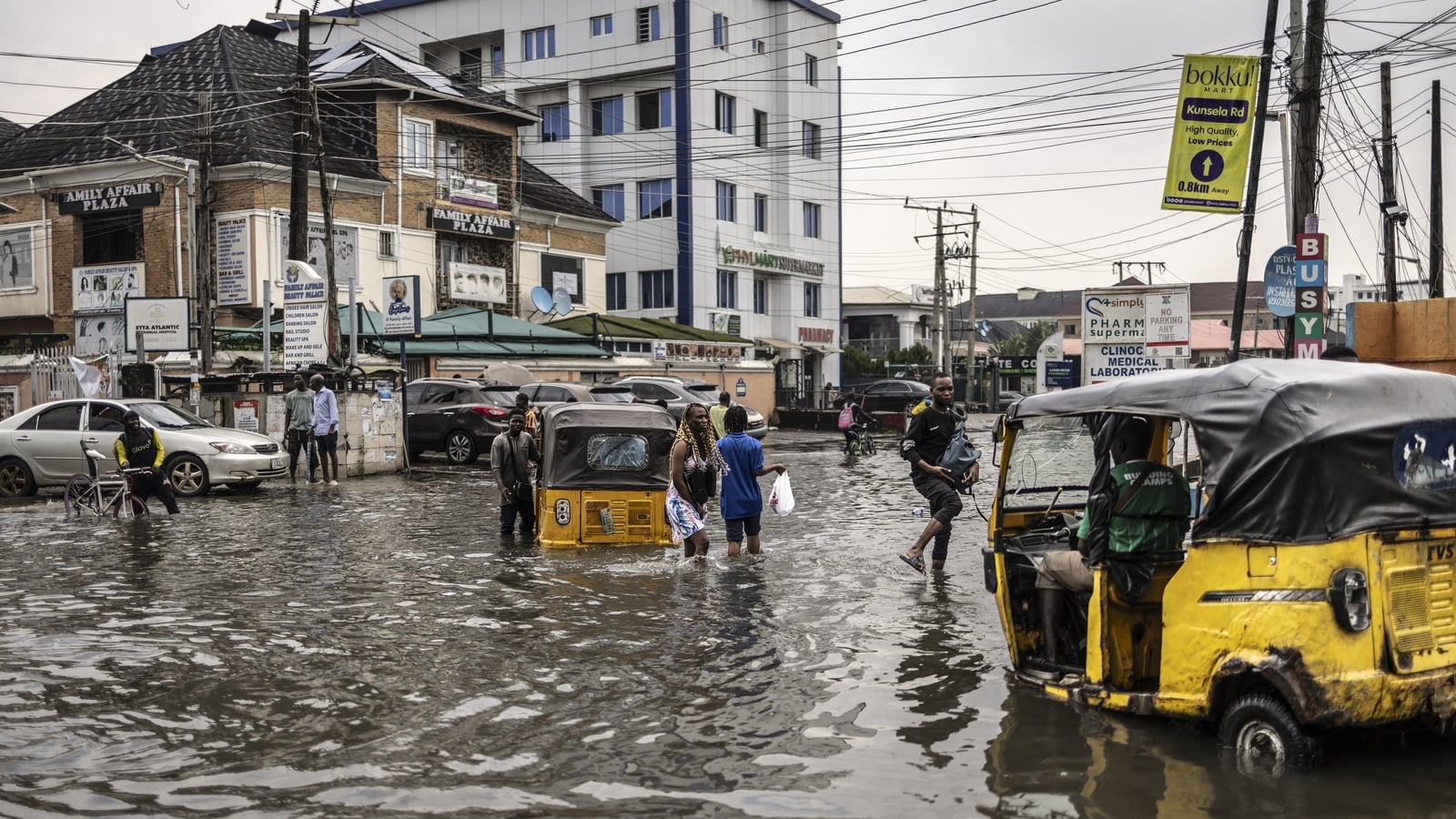
Intense downpours hit several West African coastal countries at the start of the rainy season in late June, triggering deadly floods in densely populated urban areas.
“The intense 3-day rainfall event is now about 5 times more likely to occur today compared to a pre-industrial climate,” the World Weather Attribution (WWA) group warned in a study.
Such events, once considered rare, are now expected every two to four years in the region, the researchers noted.
They found that climate change driven by human greenhouse gas emissions had increased the likelihood of the rains that caused the floods, while also boosting their intensity by between 4% to 23%.
The heaviest rainfall was between 20 and 22 June when “exceptionally widespread and persistent downpours” hit coastal areas from Ivory Coast to Nigeria, the study added.
Flash floods
Some cities recorded more than 140 millimetres of rain in less than 24 hours, overwhelming drainage systems and triggering flash floods.
The floods killed at least 59 people in Ivory Coast, 34 in Ghana and five in Togo, the study said.
Researchers said fast-growing coastal cities were particularly vulnerable because of rapid urbanisation in flood-prone areas.
They called on Gulf of Guinea states to “urgently adapt for future extremes”, including investments in drainage infrastructure, early-warning systems and safer housing.


