

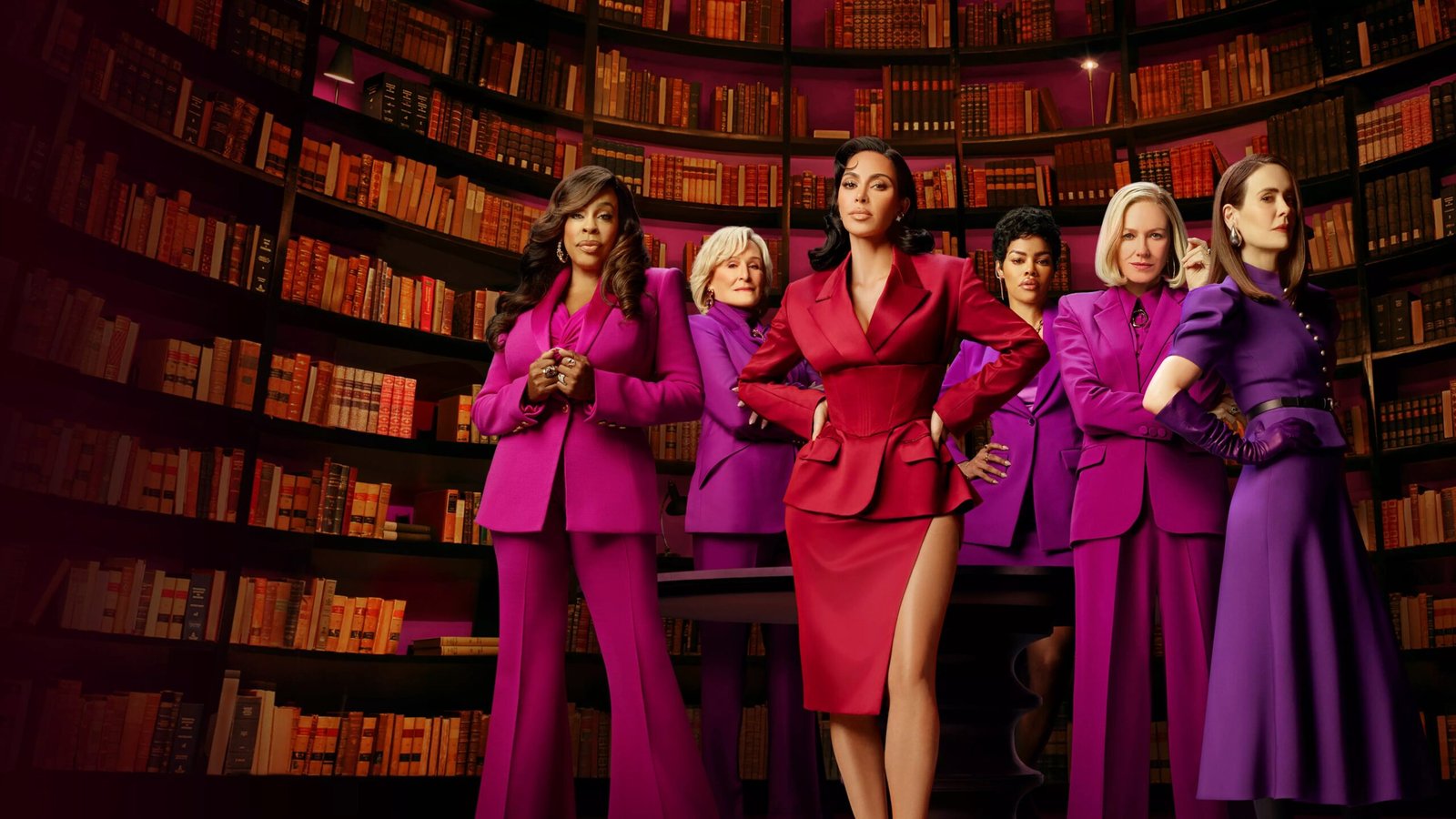
In addition to starting on the path to be a lawyer, Kim Kardashian plays one on TV, in Hulu’s All’s Fair. I watched two episodes, so you don’t have to watch any.
One of these is not like the other…
I go into every review with an open mind, but it’s been a challenge to avoid the negative news surrounding All’s Fair. I had planned to stick with my regular routine of simply watching the highest-rated episode and basing my impressions on that, but the pilot was so terrible that I had to watch one more episode to give the series a final chance at redemption.
It failed miserably, if not for a lack of star power.
And that might be its most glaring weakness. Kardashian finds herself surrounded by legitimate acting powerhouses: Glenn Close, Naomi Watts, Sarah Paulson and Niecy Nash-Betts, to name a few. The theatrical skills of so many strong females effectively shine a spotlight on how far Kardashian is in over her head. If she were competing for screen time with actresses more attuned to her lack of depth, the deficiencies might not be so painfully obvious.
The storyline is straightforward. Kardashian and Watts’ characters are associates at a large firm where all partners, aside from one (Close), are male. In a rapid succession of cutaway scenes, Kardashian and Watts dressed in bland pantsuits, decide they are going to go out on their own. With Close’s blessing, they take one employee from the firm, a private investigator played by Nash-Betts.
Flash-forward a decade, and the firm has become the pinnacle of divorce law in California, with Kardashian, Watts, and Nash-Betts living lives of extreme style and luxury while handling their female-only clientele.
Lacking in the law (and ethics)
Even though the series presents itself as a legal drama, it falls very short in its portrayal of the law. I understand All’s Fair isn’t trying to cast itself as a procedural show, but actual law should play a vital role in the context of the plot.
I counted just one overt example of an attorney giving actual legal advice, when Watts’ character explained to a potential client that the jewels her husband gifted her would be her personal property in a divorce. Could I have missed something else? Sure. But the fact that it was so easily missed speaks volumes.
Secondly, the series presents a few ethical dilemmas that are passed off as commonplace. They’re not.
In one scene, Kardashian and Watts meet with a potential witness who may have very unflattering information about a new client’s soon-to-be ex-husband. When the witness rebukes their attempts to solicit help, the two attorneys offer her 5% of their client’s potential settlement if the witness helps.
Lawyers are not allowed to pay fact witnesses for their testimony, even if it is truthful. They may pay witnesses for their time and reimburse expenses, but the amounts must be reasonable. It’s also impermissible for any such payment to be dependent or contingent on the outcome of the case.
Notwithstanding, the witness shares the requested information. Kardashian and the team show up at what is presumed to be opposing counsel’s office for a settlement meeting. After some generic back and forth topped off by Kardashian’s muted emotional tone, the message is clear: If opposing counsel doesn’t agree to their settlement, they’re going to release the prejudicial information.
Blackmail, or more broadly, extortion, isn’t a legally acceptable strategy. In fact, it’s a crime.
Rebelling against the legal patriarchy
Still, with all its warts, All’s Fair does explore one interesting dynamic: How do those who deal in divorce manage their own family failings or the prospects of such? The seeds are there for the potentially interesting intersection of family law attorneys with family law issues.
If I had one overriding complaint, though, it’s that All’s Fair is ultimately all style and no substance.
I understand where the series is coming from in terms of its stylistic approach. It’s a concerted effort to draw a line in the sand between what was (and often still is), and what could be, in terms of workplaces for women lawyers.
If nothing else, the women of All’s Fair dress to impress, and that includes wool cape coats, bustiers and red leather suits. They aren’t shy about expressing themselves. The decision to showcase certain attire is powerful; remember, we aren’t that far removed from when women in the law were restricted from wearing pantsuits in one of the federal district courts in my home state.
Even after local rules were changed, though, the stigma stayed. Early in my career, one state district judge was known for unofficially prohibiting female attorneys from wearing pants. Which brings me back to those initial scenes showcasing Watts and Kardashian’s pantsuits.
Compared to their later outfits, the pantsuits give the impression of being mandatory or restrictive; they are boxy, bland and boring, in muted colors. Later, the women’s choice to wear more dynamic attire seems intentional. Are the attorneys trying to embrace the antiquated requirements of women’s courtroom attire and make it their own? Maybe. But I might be giving the series too much credit.
Nevertheless, with so much focus on designer clothing, luxurious locales and jewelry instead of the law, All’s Fair risks painting female attorneys as lacking in depth and substance. Above all, power and prestige are much more than the name on your clothing or the cost of the ring on your finger.
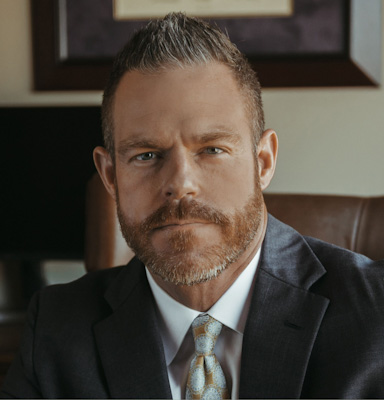
Adam Banner
Adam R. Banner is the founder and lead attorney of the Oklahoma Legal Group, a criminal defense law firm in Oklahoma City. His practice focuses solely on state and federal criminal defense. He represents the accused against allegations of sex crimes, violent crimes, drug crimes and white-collar crimes.
The study of law isn’t for everyone, yet its practice and procedure seem to permeate pop culture at an increasing rate. This column is about the intersection of law and pop culture in an attempt to separate the real from the ridiculous.
