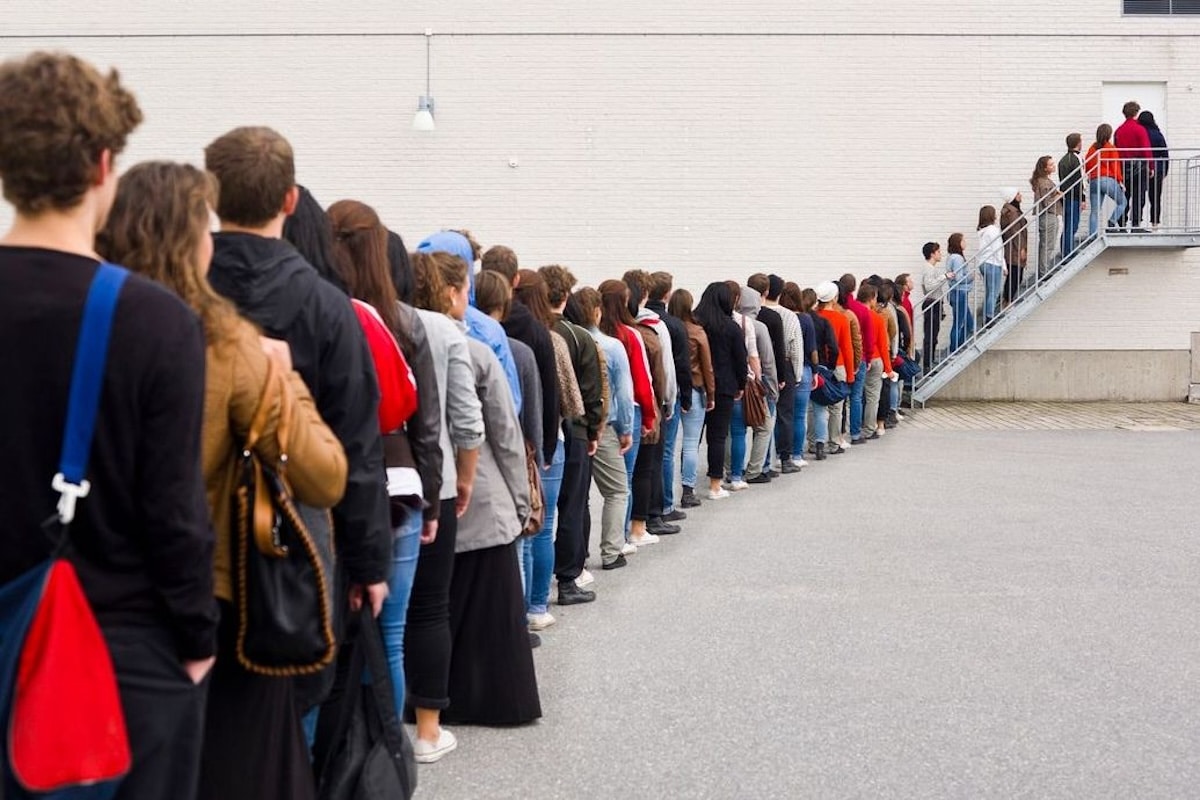
Canada’s immigration department has updated its processing time estimates for a range of temporary residence applications, with the latest figures current as of July 28—and wait times are largely on the rise.
Most notably, study and work permit wait times rose by one week for applicants in both Pakistan and Nigeria.
The latest figures released by Immigration, Refugees and Citizenship Canada (IRCC) also indicate modest increases to visitor visa and super visa processing times.
This article compares how processing-time estimates for newly submitted temporary residence applications changed between July 22 and July 28.
Canada is expected to release its next temporary residence processing times update on or around August 5, 2026.
Work permits
Work permit processing times shortened for applications submitted from within Canada and the Philippines but lengthened by one week for Pakistan- and Nigeria-based submissions.
| Applying from: | Current (July 28) | Previous (July 22) |
|---|---|---|
| Canada | 120 days | 122 days |
| India | 9 weeks | 9 weeks |
| Pakistan | 11 weeks | 10 weeks |
| Nigeria | 7 weeks | 6 weeks |
| United States | 3 weeks | 3 weeks |
| Philippines | 6 weeks | 7 weeks |
- In-Canada submissions (initial and extensions): 120 days
- Outside Canada submissions: 60 days
Study permits
After a four-week period of unchanged study permit processing times, wait times rose by one week for applicants from Pakistan and Nigeria, breaking the recent trend.
| Applying from: | Current (July 28) | Previous (July 22) |
|---|---|---|
| Canada | 7 weeks | 7 weeks |
| India | 5 weeks | 5 weeks |
| Pakistan | 7 weeks | 6 weeks |
| Nigeria | 6 weeks | 5 weeks |
| United States | 5 weeks | 5 weeks |
| Philippines | 4 weeks | 4 weeks |
- In-Canada submissions (initial and extensions): 120 days
- Outside Canada submissions: 60 days
Visitor visas
Visitor visa processing times improved slightly for applicants within Canada and the U.S., with all other <a href="https://absafricatv.com/3-african-countries-partner-to-boost-cross/” title=”3 African countries partner to boost cross”>countries recording relatively minor increases.
| Applying from: | Current (July 28) | Previous (July 22) |
|---|---|---|
| Canada | 24 days | 29 days |
| India | 22 days | 21 days |
| Pakistan | 43 days | 40 days |
| Nigeria | 64 days | 63 days |
| United States | 26 days | 27 days |
| Philippines | 17 days | 16 days |
- In-Canada submissions: N/A
- Outside Canada submissions: 14 days
Super visas
While super visa wait times remained stable for U.S. applicants, applicants in all other countries saw increases of between two and five days.
| Applying from: | Current (July 28) | Previous (July 22) |
|---|---|---|
| India | 52 days | 49 days |
| Pakistan | 196 days | 194 days |
| Nigeria | 41 days | 39 days |
| United States | 124 days | 124 days |
| Philippines | 73 days | 68 days |
*Super visa applications can only be submitted from outside Canada.
Service standard: 112 days.
Processing times versus service standards
IRCC’s processing times and service standards are two distinct concepts, not to be conflated.
IRCC publishes processing times to help applicants gauge how long the department may take to finalize a newly submitted application.
The processing figures are provided for general reference only—they are not maximums, nor are they guarantees that a particular application will be finalized within the period shown.
IRCC has two types of processing times:
- Historical: based on how long it took the department to finalize 80% of applications completed in the past; and
- Forward-looking: calculated using the number of applications currently awaiting processing and the department’s available capacity.
Service standards, by contrast, are internal performance targets established by IRCC that outline how quickly the department aims to finalize a particular type of application under normal conditions, generally for 80% of cases.
A specific application may take more or less time than either the published estimate or the applicable service standard. The final timeline can be influenced by the complexity of the case, existing backlogs, operational capacity, requests for additional information, and the need for further assessment.
Updates to temporary residence processing times are issued weekly, while permanent residence and citizenship estimates are typically updated once a month. The department’s service standards follow a much less frequent review cycle—for example, timelines for temporary residence applications were last revised in 2018–2019.
IRCC has finalized more than 1.2 million temporary residence applications in the first five months of 2026, while over 404,000 remained pending as of May 31.






_58325.jpg "UK, USA enhance cooperation on fusion energy")