


Listen to this article
Estimated 3 minutes
The audio version of this article is generated by AI-based technology. Mispronunciations can occur. We are working with our partners to continually review and improve the results.
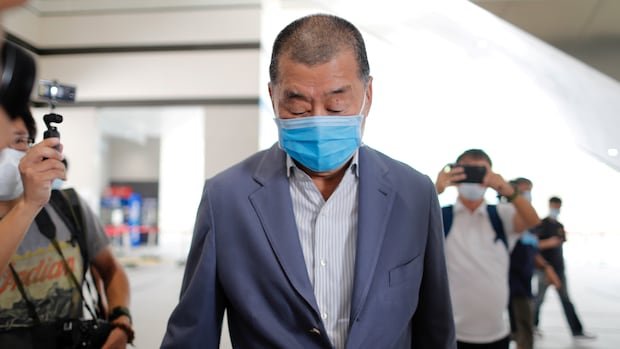
Jimmy Lai, the pro-democracy former Hong Kong media tycoon and a fierce critic of Beijing, was sentenced to 20 years in prison in one of the most prominent cases prosecuted under a China-imposed national security law that has virtually silenced the city’s dissent.
Judge Esther Toh said 18 years of Lai’s sentence should be served consecutively to his jail term in his fraud case, for which he received a sentence of five years and nine months. Lai can appeal his case.
His co-defendants received jail terms between six years and three months and 10 years.
Three government-vetted judges spared Lai, 78, the maximum penalty of life imprisonment on charges of conspiring with others to collude with foreign forces to endanger national security, and conspiracy to publish seditious articles.
He was convicted in December. Given his age, the prison term still could keep him behind bars for the rest of his life.

Hong Kong media tycoon Jimmy Lai has already taken huge risks by having his newspaper openly criticize Beijing, including the new national security law, and he’s been arrested for organizing pro-democracy protests. He tells National co-host Adrienne Arsenault that Hong Kong as it’s known to its people and the world is in danger of disappearing.
Before Lai left the courtroom, he looked serious, as some people in the public gallery cried. Earlier, Hong Kong’s outspoken Roman Catholic Cardinal Joseph Zen sat next to Lai’s wife when he arrived for the sentencing.
The democracy advocate’s arrest and trial have raised concerns about the decline of press freedom in what was once an Asian bastion of media independence.
The government insists the case has nothing to do with a free press, saying the defendants used news reporting as a pretext for years to commit acts that harmed China and Hong Kong.
Lai was one of the first prominent figures to be arrested under the security law in 2020.
Within a year, some senior journalists at Apple Daily, the newspaper Lai founded, were also arrested. Police raids, prosecutions and a freeze of its assets forced the newspaper’s closure in June 2021. The final edition sold a million copies.
Lai’s sentencing could heighten Beijing’s diplomatic tensions with foreign governments. His conviction has drawn criticism from the U.S. and the U.K.
U.S. President Donald Trump said he felt “so badly” after the verdict and noted he spoke to Chinese leader Xi Jinping about Lai and “asked to consider his release.”
British Prime Minister Keir Starmer’s government also has called for the release of Lai, who is a British citizen.
Lai’s daughter, Claire, told The Associated Press that she hopes authorities see the wisdom in releasing her father, a Roman Catholic. She said their faith rests in God. “We will never stop fighting until he is free,” she said.
