
Close Menu

    Subscribe to Updates

    Get the latest creative news from FooBar about art, design and business.

    What's Hot

    Who bombed a girls’ school in Iran? A visual investigation

    March 5, 2026

    How Did Victoria Mboko Become WTA No. 10? The Full Rise of Congolese-Canadian Tennis’s Newest Star

    March 5, 2026

    AI, crypto reshape SA’s payments landscape

    March 5, 2026
    Facebook X (Twitter) Instagram
    • Home
    • Contact Us
    • About Us
    • Privacy Policy
    • Terms Of Service
    • Advertisement
    Thursday, March 5
    Facebook X (Twitter) Instagram Pinterest Vimeo
    ABSA Africa TV
    • Breaking News
    • Africa News
    • World News
    • Editorial
    • Environ/Climate
    • More
      • Cameroon
      • Ambazonia
      • Politics
      • Culture
      • Travel
      • Sports
      • Technology
      • AfroSingles
    • Donate
    ABSLive
    ABSA Africa TV
    Home»World News»Justices validate IRS’s right to retain fraudulent pre-bankruptcy tax payments
    World News

    Justices validate IRS’s right to retain fraudulent pre-bankruptcy tax payments

    Olive MetugeBy Olive MetugeApril 1, 2025No Comments3 Mins Read
    Facebook Twitter Pinterest Telegram LinkedIn Tumblr Email Reddit
    Justices validate IRS’s right to retain fraudulent pre-bankruptcy tax payments
    Share
    Facebook Twitter LinkedIn Pinterest Email Copy Link


    OPINION ANALYSIS


    By Ronald Mann

    on Mar 31, 2025
    at 4:43 pm

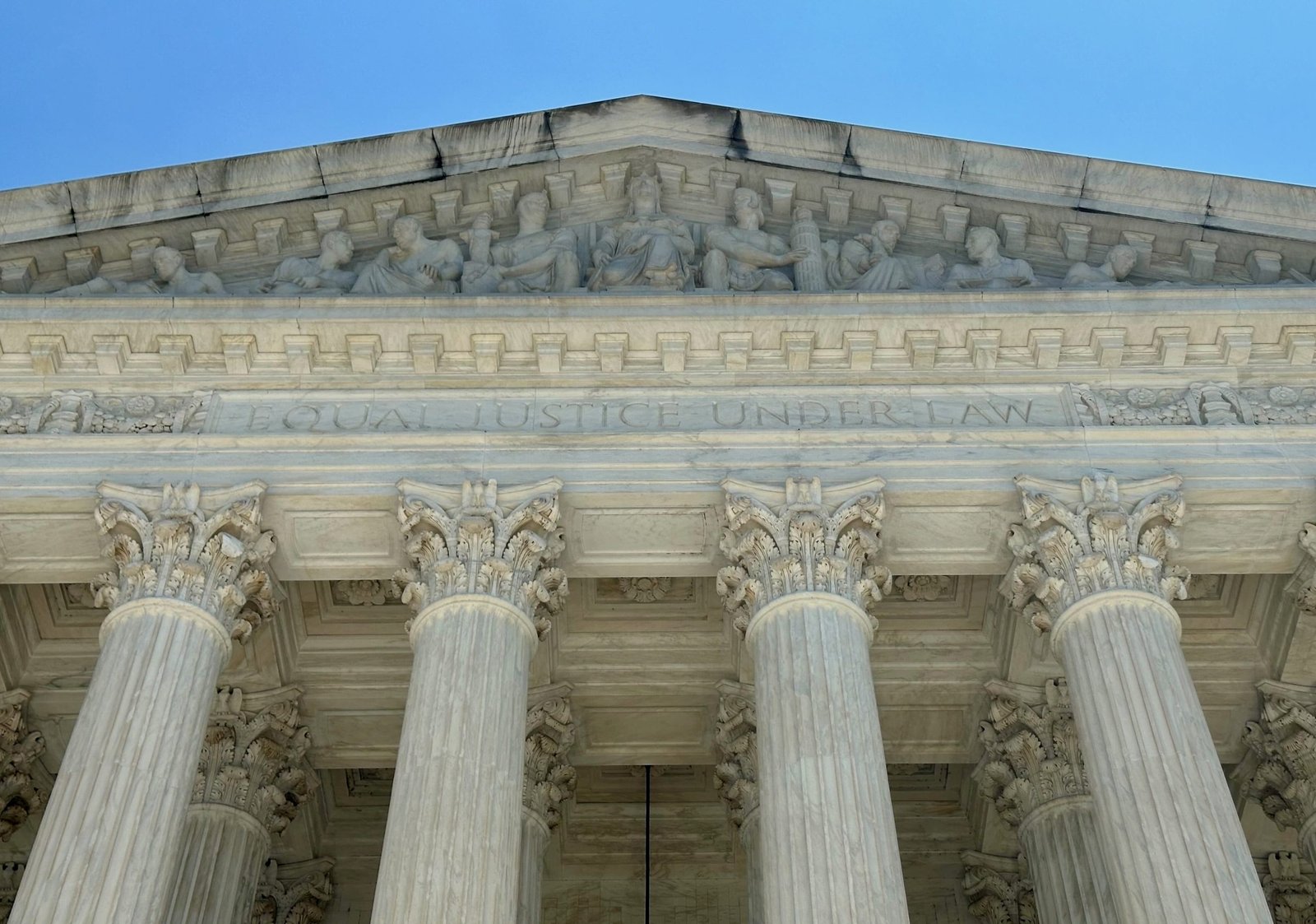
    The Supreme Court

    (Katie Barlow)

    United States v. Miller presents the kind of simple facts that populate law-school hypotheticals. A business is in financial distress. The shareholders (who control the business) use some of its funds to pay off their own debts, including taxes owed to the federal government. When the business files for bankruptcy, the creditors of the business justifiably complain that the shareholders should not have used the business’s money to pay off the shareholders’ personal tax liabilities. Can the Internal Revenue Service keep the money? The Supreme Court held last week that the answer is yes.

    Justice Ketanji Brown Jackson’s opinion (joined by all the justices except for Justice Neil Gorsuch) presents this as a straightforward textual exercise, turning on “the interplay” between two sections of the Bankruptcy Code. The first is Section 544, which creates a federal cause of action allowing the bankrupt to recover funds it paid out before bankruptcy whenever the transfer “is voidable under applicable law.” The second is Section 106, which waives the federal government’s sovereign immunity for a long list of particular sections of the Bankruptcy Code, including Section 544.

    For Jackson, the key to the case is the reality that under Utah law (the applicable fraudulent conveyance statute), the creditors of the failed business could not recover from the IRS, because the IRS’s sovereign immunity would protect it from a suit under the Utah statute. Thus, she concludes, the transfer to the IRS is not “voidable under applicable law” for purposes of Section 544.  Jackson explains that the text of Section 106, “read as a whole, makes clear that it … does not establish any substantive rights against the Government.” All that Section 106 does is “give courts jurisdiction to hear [Section 544] claims against the government.” It does not change “the substantive requirements of the claim itself.”

    Working from those premises, Jackson easily can reject the effort to “transform [Section 106] from a jurisdiction-creating provision into a liability-creating provision.” Jackson goes on to point out that her reading does not render useless the inclusion of Section 544 in the listed sections for which sovereign immunity is waived, because it would still allow creditors to invalidate improperly perfected tax liens under Section 544(a). Given the strong tradition of a narrow reading of waivers of sovereign immunity, the bankrupt cannot prevail.

    Context is everything here. Congress included a waiver of sovereign immunity in the Bankruptcy Code in 1978. As I’ve written elsewhere, the Supreme Court in several cases nevertheless upheld claims of sovereign immunity by state and federal governments, concluding that the statutory waiver was insufficiently specific. Congress responded in 1994 by adding to Section 106 a list of pretty much every section of the Bankruptcy Code that grants an important power to sue and recover funds from third parties.

    In Miller, the court essentially tells Congress, again, that it needs to do its homework better. If it actually wants to impose liability on the federal government, it will have to try even harder than it has in the past. Time will tell whether the third time will be a charm.



    Source link

    Post Views: 25
    Share. Facebook Twitter Pinterest LinkedIn Tumblr Email
    Olive Metuge

    Related Posts

    Who bombed a girls’ school in Iran? A visual investigation

    March 5, 2026

    Court unanimously sides with government in immigration dispute

    March 5, 2026

    6 takeaways from the Supreme Court’s tariffs decision

    March 4, 2026
    Leave A Reply Cancel Reply

    Top Posts

    Who bombed a girls’ school in Iran? A visual investigation

    March 5, 2026

    Did Paul Biya Actually Return to Cameroon on Monday? The Suspicion Behind the Footage

    October 23, 2024

    Surrender 1.9B CFA and Get Your D.O’: Pirates Tell Cameroon Gov’t

    October 23, 2024

    Ritual Goes Wrong: Man Dies After Father, Native Doctor Put Him in CoffinBy

    October 23, 2024
    Don't Miss

    Who bombed a girls’ school in Iran? A visual investigation

    By Olive MetugeMarch 5, 2026

    Listen to this articleEstimated 4 minutesThe audio version of this article is generated by AI-based…

    Your Poster Your Poster

    How Did Victoria Mboko Become WTA No. 10? The Full Rise of Congolese-Canadian Tennis’s Newest Star

    March 5, 2026

    AI, crypto reshape SA’s payments landscape

    March 5, 2026

    Aberdeen 1-2 Celtic: Are big-game players keeping Celtic in title hunt?

    March 5, 2026
    Stay In Touch
    • Facebook
    • Twitter
    • Pinterest
    • Instagram
    • YouTube
    • Vimeo

    Subscribe to Updates

    Sign up and get the latest breaking ABS Africa news before others get it.

    About Us
    About Us

    ABS TV, the first pan-African news channel broadcasting 24/7 from the diaspora, is a groundbreaking platform that bridges Africa with the rest of the world.

    We're accepting new partnerships right now.

    Address: 9894 Bissonette St, Houston TX. USA, 77036
    Contact: +1346-504-3666

    Facebook X (Twitter) Pinterest YouTube WhatsApp
    Our Picks

    Who bombed a girls’ school in Iran? A visual investigation

    March 5, 2026

    How Did Victoria Mboko Become WTA No. 10? The Full Rise of Congolese-Canadian Tennis’s Newest Star

    March 5, 2026

    AI, crypto reshape SA’s payments landscape

    March 5, 2026
    Most Popular

    Who bombed a girls’ school in Iran? A visual investigation

    March 5, 2026

    Did Paul Biya Actually Return to Cameroon on Monday? The Suspicion Behind the Footage

    October 23, 2024

    Surrender 1.9B CFA and Get Your D.O’: Pirates Tell Cameroon Gov’t

    October 23, 2024
    Facebook X (Twitter) Instagram Pinterest YouTube
    • About Us
    • Contact Us
    • Privacy Policy
    • Terms Of Service
    © 2026 Absa Africa TV. All right reserved by absafricatv.

    Type above and press Enter to search. Press Esc to cancel.