
- Quotes. Friedrich Hegel, German philosopher: “Tragedy arises not between good and evil, but between two opposing rights”‘
- Quotes. Immanuel Kant, philosopher: “The starry sky above me and the moral law within me fill the mind with ever new and increasing admiration and respect”
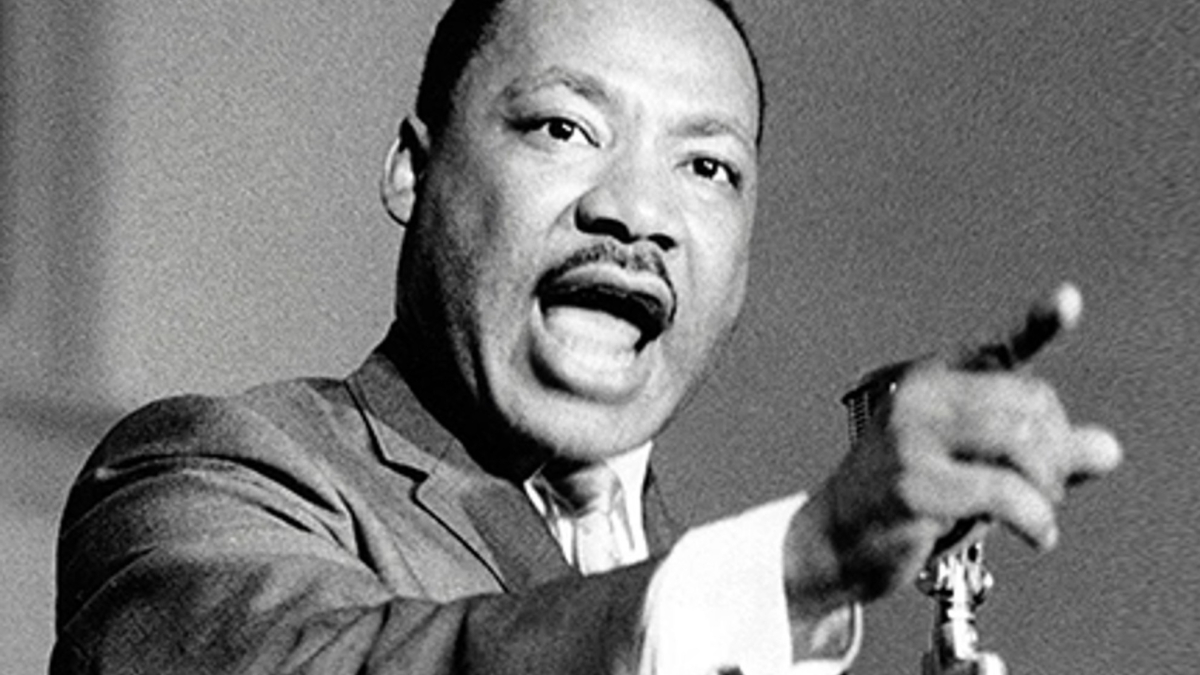
Martin Luther King Jr. remains an enduring figure in the fight for social justice and equality. His quote, “Forgiveness is not an occasional act; it is a constant attitude,” resonates today amidst a landscape marked by hyperconnectivity and social media, where polarization often overshadows meaningful discourse. As we grapple with feelings of helplessness in the face of societal injustices, King’s emphasis on activism and community serves as a powerful reminder of the collective responsibility we hold in addressing these ongoing challenges.
His commitment to nonviolent civil disobedience is particularly relevant in an era defined by individualism and consumerism, where many feel trapped in their roles. The struggle for personal identity and social equity aligns with current pressures to conform and the constant comparison we face on digital platforms. King’s vision for justice encourages a re-examination of our values and the pursuit of authentic connections as we navigate these complex realities.
Forgiveness is not an occasional act; it is a constant attitude.
Martin Luther King Jr., ‘Speeches’
Martin Luther King Jr.’s Philosophy of Nonviolent Resistance
Martin Luther King Jr. was a prominent American Baptist minister and civil rights activist known for his leadership in the American civil rights movement from 1955 until his assassination in 1968. His commitment to nonviolent resistance against systemic racism and segregation was inspired by Mahatma Gandhi’s principles. King served as the first president of the Southern Christian Leadership Conference and gained global recognition for his efforts to promote social justice, particularly through significant events like the Montgomery Bus Boycott and the March on Washington. His legendary “I Have a Dream” speech remains a hallmark of American history, influencing substantial legislative changes such as the Civil Rights Act of 1964 and the Voting Rights Act of 1965.
King’s intellectual thought is deeply rooted in the ideas of civil disobedience, equality, and justice. He emphasized that true freedom involves not only legal rights but also a change in self-perception, urging African Americans to recognize their worth and pride. His emphasis on nonviolent activism reflects influences from figures like Henry David Thoreau and Gandhi, advocating for peaceful protests as moral responsibilities against unjust laws. This aligns with broader themes within civil rights discourse, where personal identity, dignity, and the fight against systemic injustices are paramount, connecting him to a diverse lineage of thinkers and activists.
One of King’s notable phrases, “Forgiveness is not an occasional act; it is a constant attitude,” encapsulates his belief in the power of love and compassion as central to the struggle for justice. This perspective underscores the necessity to approach conflict with a sense of humanity, promoting healing rather than division. By embodying this principle, King believed that activists could counter hate and oppression effectively, urging individuals to seek reconciliation even amidst deep societal rifts. It reflects his broader vision of building a more equitable society grounded in understanding and mutual respect.
In the context of the 21st century, King’s principle of forgiveness extends beyond interpersonal relations; it speaks to the dynamics of social justice movements today. On a typical day, individuals might face instances of injustice, such as discrimination or marginalization, whether in the workplace, community, or online interactions. By adopting an attitude of forgiveness, as advocated by King, individuals can cultivate resilience against negativity and division, fostering dialogues that can lead to healing and progress. This principle encourages a proactive approach to addressing contemporary issues, where empathy and constant reflection can pave the way for meaningful change in a fractured society.