


In Bushbuckridge, Mpumalanga, floods have destroyed bridges connecting remote villages, leaving residents without safe access to clinics.
Godfrey Makhubele (40), from Tlhavekisa village, has hypertension and regularly collects his medication from Hluvukani Community Health Centre (CHC). On 12 January, he had an appointment to collect his medication, but floodwaters cut off access routes.
“My appointment was at 7am, but the rain and rising water made it impossible to travel,” Makhubele says.
“Around 11am I decided to attempt the journey. I had to wade through two rivers where the floodwaters rose above my knees. I could see that the crossing was dangerous. But I had no choice, I needed my treatment.”
Makhubele made it to the clinic safely, but took a longer, alternative route home to avoid the flooded crossings.
“A physically weaker person could easily have been swept away or forced to stay home without treatment,” he adds.
Forced to walk for emergency care
On 18 January, Benice Sibuyi (15), who has Type 1 diabetes experienced several diabetic episodes and needed urgent medical attention.
“Because the floods damaged the roads, there was no public transport and we couldn’t hire a private car to take us to the clinic. We had no choice but to walk to the clinic while my brother was unwell,” his sister, Perseverance Sibuyi, tells Health-e News.
The 5km walk to Hluvukani CHC took over an hour.
“When we arrived, Benice was admitted to the emergency room and put on a drip,” she says. His blood glucose level was recorded at 34.0 mmol/L, a critically high reading.
Subscribe to our newsletter
Limpopo floods disrupt health services, leave elderly woman stranded
Persistent heavy rains continue to batter large parts of Limpopo, particularly the Vhembe and Mopani districts, damaging infrastructure, disrupting health services and leaving dozens of families homeless.
For 82-year-old Matamela Funzani, from Mandala Thondoni in Nzhelele outside Thohoyandou, the floods have turned daily life into a silent emergency.
Funzani lives in a three-roomed RDP house built in 2000 after her original home was washed away by floods. In February 2010, the house was partially damaged when a fire broke out after her grandchild mistakenly left a candle burning. The fire left visible cracks in the walls and weakened the roof.
When the recent rains began, the old damage resurfaced.
“The roof started leaking, and water began coming through the walls. She is getting wet inside the house,” says her daughter and caregiver, Livhuwani Grace Matsenene.
Blankets and clothing were soaked, with no opportunity to dry them due to continuous rainfall. Funzani, who’s paralysed from the waist down since a fall in 2023, uses a wheelchair and cannot move independently.
“She can’t stand or move away from the water. She just sits there while everything gets wet,” Matsenene says.
Home visits halted as roads wash away
Nurses and home-based care workers usually visit Funzani for routine check-ups and physical therapy. But these visits have stopped since access roads to the village were washed away.
Funzani’s situation reflects a broader crisis unfolding across Limpopo.
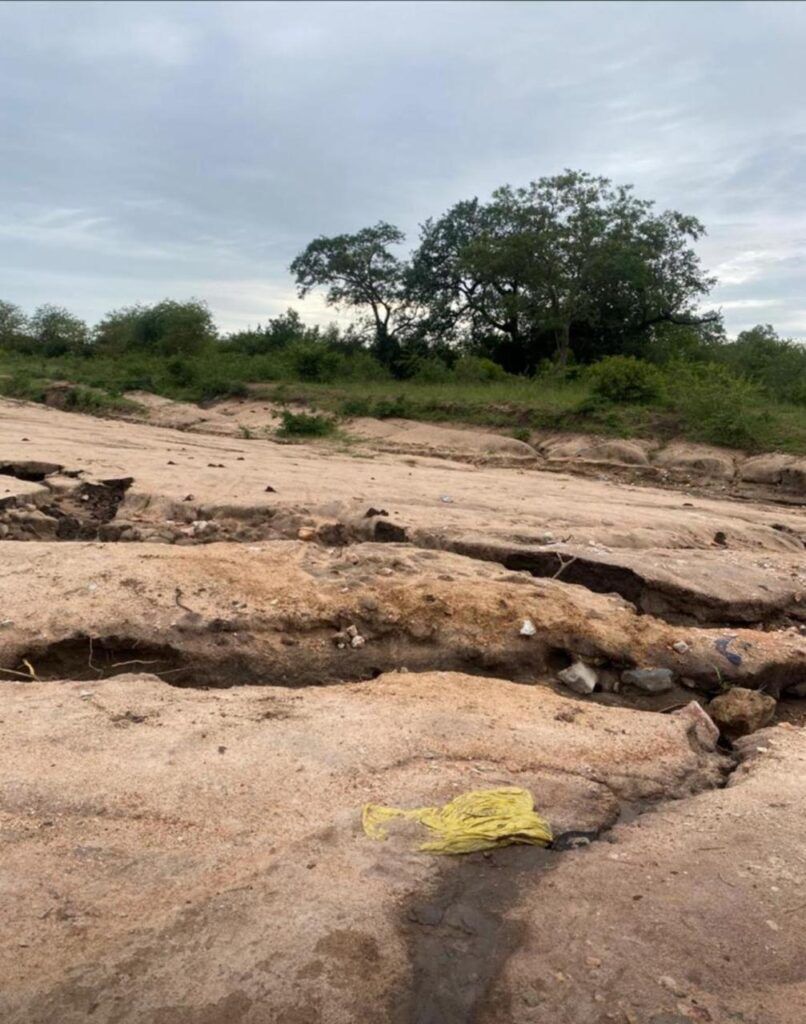
The provincial Department of Health confirmed on Tuesday that flooding has eroded roads and washed away bridges. This has made several clinics partially or fully inaccessible.
“Overflowing rivers and swept-away bridges have made it difficult for healthcare workers and community members to reach facilities. This has also affected the ability of Emergency Medical Services to respond in some villages,” says department spokesperson Neil Shikwambana. Clinics affected include Tswinga, De Hoop, Duvhuledza and Tshipise, where access roads have been severely eroded and surrounding bridges destroyed, forcing temporary closures or limited services. –Health-e News


