


Back to News/Environment & Climate Change
Environment & Climate Change
New Zealand Records First A
New Zealand’s first detection of H5N1 ainations, signaling global viral shifts
SFStreamline Feed OfficialVerified
Jul 17, 2026
Updated Jul 17, 2026
Reading
Follow on Google News
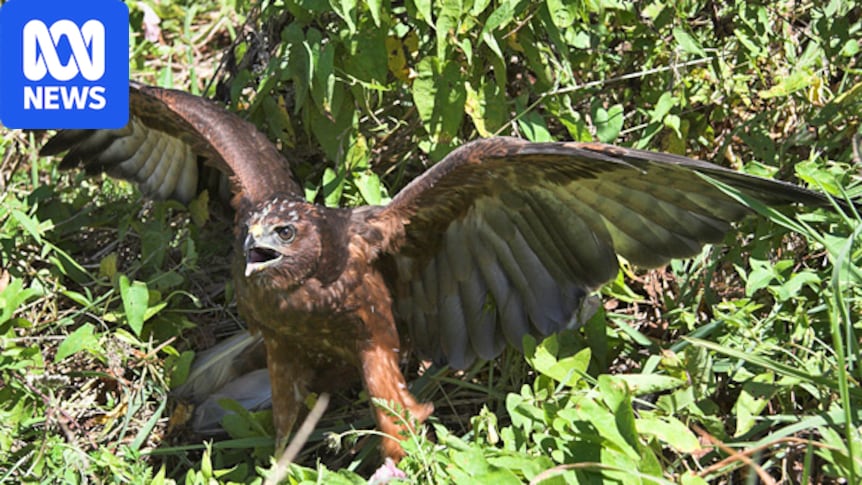
New Zealand’s biosecurity defenses have been officially breached by the highly pathogenic H5N1 as infected a native swamp harrier hawk (kāhu). The unprecedented detection triggers a nationwide wildlife emergency, forcing the government to rapidly accelerate experimental vaccination protocols for the country’s most critically endangered species
The confirmation of the virus in a native apex predator signals a catastrophic shift in the ecological landscape. As the viral strain demonstrates an alarming capacity to cross vast oceanic distancesr global wildlife sanctuaries—particularly <a href="https://absafricatv.com/mandela-day-has-south-africa-failed-his-vision/” title=”Mandela Day: Has South Africa failed his vision?”>African wetland ecosystems that serve as crucial wintering grounds for millions of intercontinental migratory birds
The Infiltration of Aotearoa
The infected kāhu was discovered in the rural Wairarapa region of the North Island, marking the second documented instance of H5N1 within New Zealand’s borders in a matter of days. The nation recorded its inaugural case on July 15, 2026, when a brown skua—a highly mobile migratory seabird—tested positive after washing ashore on Petone Beach near the capital city of Wellington.
Biosecurity Minister Andrew Hoggard addressed the crisis on Friday, characterizing the transmission to a native species as deeply disappointing, though statistically inevitable. “This hawk can go out to the coast, especially in winter to hunt,” Minister Hoggard explained. “Hawks can get bird flu by hunting, eating, or scavenging infected birds.”
The Ministry for Primary Industries (MPI) has established an elite technical advisory group of evolutionary biologists and virologists. According to MPI’s chief veterinary officer, the current epidemiological trajectory suggests the deadly strain will become firmly endemic across New Zealand within a matter of months, necessitating a fundamental paradigm shift in how the nation protects its unique biodiversity.
Desperate Measures for Endangered Species
In a race against viral mutation, the Department of Conservation (DOC) has initiated an emergency prophylactic campaign. Veterinary teams are currently administering specialized H5N1 vaccines to the core breeding populations of five of New Zealand’s most profoundly threatened a
The vaccination dragnet is specifically targeting the iconic flightless kākāpō parrot, the takahē, the tūturuatu (shore plover), the kakī (black stilt), and the kākāriki karaka (orange-fronted parakeet). Evolutionary biologists warn that the unchecked introduction of the virus into these hyper-vulnerable, isolated populations could precipitate rapid extinction events.
Concurrently, the government is extending immediate logistical support to the domestic commercial poultry sector. While no infections have been detected in commercial flocks to date, free-range farmers in the Wellington and Wairarapa regions are being strongly advised to temporarily confine their birds to prevent contact with wild scavengers.
The African Ecological Threat Vector
The geographic leap of H5N1 into the isolated ecosystems of the South Pacific exposes the severe vulnerability of the global migratory flyways. For environmental regulators in East Africa, the New Zealand outbreak is a terrifying harbinger. Organizations such as the Kenya Wildlife Service (KWS) and the Tanzania National Parks Authority (TANAPA) must now brace for the inevitable introduction of new, highly virulent strains.
Rift Valley lakes, including Kenya’s Lake Nakuru and Lake Bogoria, host millions of lesser flamingos and serve as critical junctions for the Eurasian-African flyway. An outbreak of a highly pathogenic aecosystems would result in incalculable ecological devastation and severely impact the multi-billion shilling eco-tourism economies that sustain local county governments
Economic Assurances Amid Ecological Panic
Despite the escalating ecological emergency, Minister Hoggard moved swiftly to reassure international trade partners and domestic consumers. “We will have to learn to live with bird flu as it cannot be eradicated,” he stated, categorically affirming that properly prepared chicken and eggs remain entirely safe for human consumption and that the specific strain currently poses an exceptionally low transmission risk to the general human population.
- Initial Detection Date: July 15, 2026 (Brown skua at Petone Beach).
- First Native Case: Swamp harrier hawk (kāhu) in the Wairarapa region.
- Conservation Action: 5 critically endangered native species currently undergoing emergency vaccination.
- Economic Impact: Zero commercial poultry infections reported, though preemptive lockdown measures are actively advised.
The arrival of H5N1 in New Zealand fundamentally alters the calculus of global biosecurity, proving unequivocally that geographic isolation is no longer aworld
The documents, data and reporting consulted for this article. Links open the original material so readers can inspect the evidence directly.
- 011NewsNews report
Second bird flu case confirmed in native hawk, Govt steps up responseBy UnknownPublished 17 Jul 2026Accessed 17 Jul 2026- • Native kahu or swamp harrier hawk is the second bird in New Zealand confirmed with H5 bird flu.
- • Biosecurity Minister Andrew Hoggard confirmed the case.
- • First case confirmed earlier this week in a brown skua seabird.
Hot discussions around this story
Keep the conversation in one place—threads here stay linked to the story and in the forums.
Fresh thread
No linked discussion yet. Start one without leaving this page.
Start a conversation about this story and keep it linked here.
E-sports and Gaming Community in Kenya
The Role of Technology in Modern Agriculture (AgriTech)
1030122Agriculture & Food Security
Popular Recreational Activities Across Counties
Investing in Youth Sports Development Programs
You Might Also Like


Naivasha’s Next Crisis: Will AI Cooling Drain Local Water Supplies?

Hazardous Canadian Wildfire Smoke Chokes Major US Cities in Health Crisis
<img src="https://absafricatv.com/wp-content/uploads/2026/07/watermarks-logo-a001_NormalPreviewFfire.jpg-webp.webp" alt="High Risk of Fire Across Sweden as Unprecedented Heatwave Continues“>


