



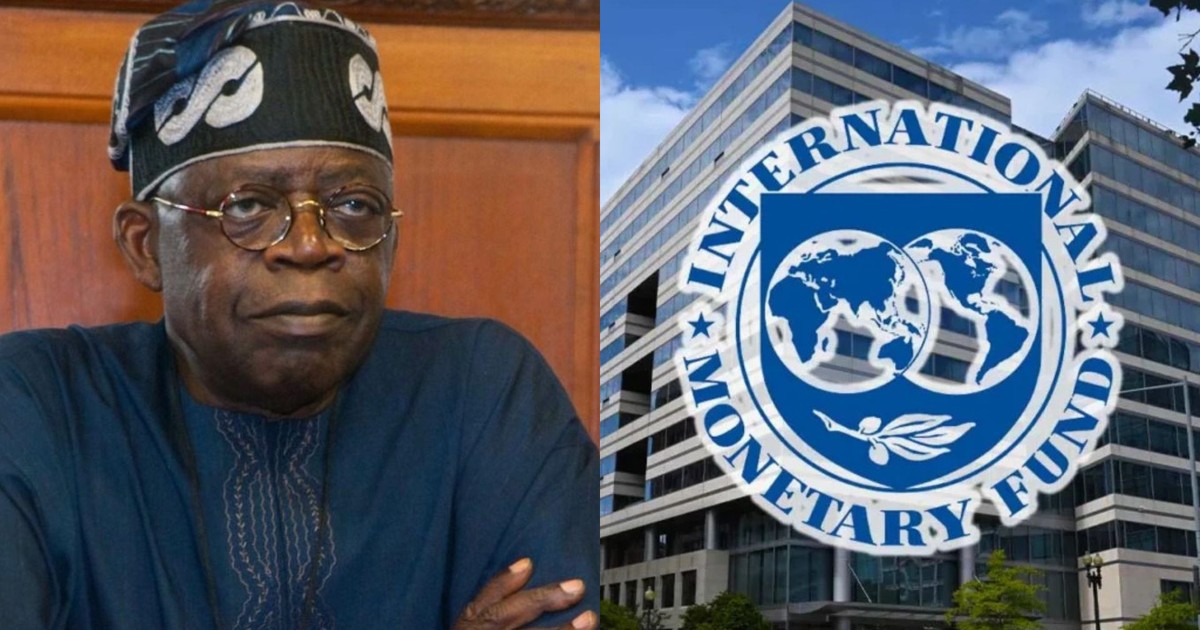
- Nigeria has secured a $5 billion loan deal with the UAE despite IMF warnings.
- The country has already drawn $1.5 billion from this facility, arranged with First Abu Dhabi Bank.
- The loan aims to support Nigeria’s 2026 budget, finance important infrastructure, and restructure debt.
- The IMF has expressed concerns over the loan’s opacity and potential long-term risks for Nigeria.
The West African nation, according to recent reports, has drawn $1.5 billion from the $5bn financing facility discussed earlier this year with the UAE
This credit agreement, established with First Abu Dhabi Bank, the United Arab Emirates’ premier financial institution, constitutes the initial installment of a $5 billion Total Return Swap facility authorized by the National Assembly on the 31st of March, this year
DON’T MISS THIS: Another African country has received close to $1 billion from the IMF
This move proceeds notwithstanding escalating apprehensions voiced by international financial organizations
The proceeds from this transaction are intended to bolster the 2026 fiscal budget, fund critical infrastructure projects, and restructure existing debt liabilities
Following the legislative approval of the loan in April, Nigerian lawmakers characterized the terms as competitive, as seen on Bloomberg
The initial tranche of the indebtedness is scheduled to be priced at 395 basis points above the Secured Overnight Financing Rate (SOFR), with subsequent tranches priced at SOFR plus 400 basis points
The loan arrangement further exposes the country to the lender, which had already disbursed loans totaling around $1.2 billion to assist with the construction of a portion of a new expressway
Nigeria will provide 133.3% of the loan’s collateral in assets denominated in its local currency
Earlier this month, the IMF raised concerns over the loan, warning that such financial structures may be opaque, complex, and difficult to assess in terms of risk exposure fully
Christian Ebeke, the IMF’s mission chief for Nigeria, said instruments such as Total Return Swaps (TRS) often lack transparency, making it harder for stakeholders to evaluate their terms and long-term fiscal implications
“Our view is that transactions in these types of structures carry risks. Usually, they are opaque, so the terms are not always very transparent when we review these instruments across countries,” Ebeke told reporters following the Fund’s latest Article IV consultation
Parts of the deal “could give rise to political constraints on monetary or exchange rate policy,” the IMF stated
According to the most recent information available on the Debt Management Office’s website, Nigeria’s external debt was $51.9 billion as of December 31





