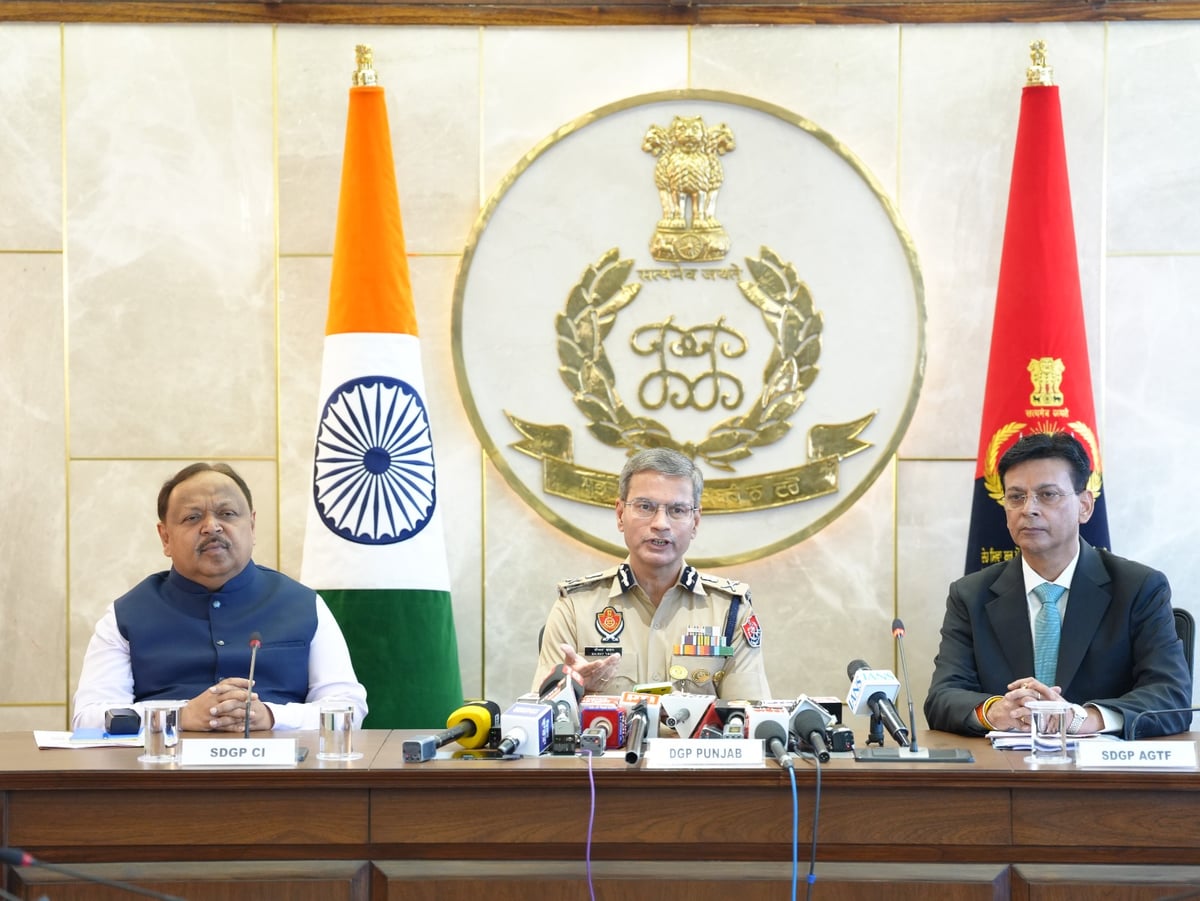
Russian President Vladimir Putin gives a speech during the Russia-Africa economic and humanitarian forum at the Gostiny Dvor conference centre in central Moscow, Russia, October 28, 2026. Igor Ivanko/Pool
- Developed by Russian fintech firm A7, the platform promises faster international payments, currency conversions, and transaction fees as low as 0.3%.
- A7 has established offices in Nigeria and Zimbabwe, targeting African businesses trading with Russia, China and India.
- The push comes as Russia-Africa trade surpassed $27 billion in 2025, despite fresh US sanctions accusing A7 of facilitating sanctions evasion.
The platform, built by Russian fintech company A7, was presented at the third Russia–Africa Summit in Moscow on October 28–29, 2026. The summit drew delegations from 48 African countries, including 22 heads of state or government, for talks on trade, investment, energy, infrastructure and finance.
“With today’s technology, it is impossible to block such payments,” Russian President Vladimir Putin told the delegates.
Putin added that the A7 system is “high-tech and convenient for customers because they can instantly convert one currency into another online: into digital currencies, [then] into real currencies, [then] back into digital currencies.”
Finance Minister Anton Siluanov focused on speed and cost. “Payments are fast, with just one click, and the fee is only 0.3%,” he said.
Putin called the system a convenient way for companies to move money between conventional and digital currencies without relying entirely on traditional cross-border banking. He said it could also allow transparent transactions that comply with international law.
Western sanctions have restricted Russia’s access to parts of the international banking system, and Moscow is looking for other ways to settle trade. For African firms, the pitch speaks to familiar problems: foreign currency shortages, high transfer fees and slow international payments.
A7 recently launched A7 International, a service that links cryptocurrency payments to ordinary bank transfers. According to the company, the service allows businesses and individuals to settle international invoices in USDT, a stablecoin pegged to the US dollar, while recipients receive ordinary bank transfers without handling cryptocurrency themselves.
An African importer, for example, could pay an overseas supplier through the platform, and the supplier would receive the agreed currency directly in its bank account. A7 says it pays out in US dollars, euros, Chinese yuan and UAE dirhams.
According to A7, USDT payments run on the TRON blockchain, and recipients are paid through SWIFT. The company advertises a fee of 0.3% and processing times starting from one business day. A7 says customers must pass identity checks and submit supporting documents, while its software uses AI to assess transactions and select payment routes based on cost, speed and regulatory requirements.
A7 opened its first African representative offices in Lagos and Harare in September 2025 to work with local companies engaged in international trade. Its network is set up to handle payments between African countries and Russia, as well as China and India.
Nigeria, Africa’s most populous country, has a large business sector and heavy cross-border trade. Zimbabwe has struggled with currency and banking problems for years, leaving businesses in search of other ways to pay abroad. Whether A7 can operate in either country will be up to local regulators.
According to Putin, trade between Russia and Africa exceeded $27 billion in 2025, up about 50% from the time of the previous summit in 2023. Moscow wants closer ties in agriculture, energy, mining, infrastructure and technology.
A7 was founded in 2024 with the participation of state-owned PSB Bank. The company says it handled more than 10 trillion rubles (about $110 billion) in cross-border payments in 2025, roughly 19% of Russian businesses’ international settlements, and serves around 15,000 corporate clients in more than 100 countries. Its supervisory board includes First Deputy Prime Minister Denis Manturov, Energy Minister Sergei Tsivilev and Finance Minister Anton Siluanov.
A7 is expanding its presence in Africa despite fresh US sanctions imposed on the company and its network on October 1, 2026. The US Treasury accused A7 of helping clients evade sanctions and handling transactions linked to Iran.
A7 calls the restrictions unlawful. The company says it continues to process payments without interruption for legitimate Russian imports and exports of consumer goods and commodities.
“Between 2022 and 2026, Western countries imposed more than 30,000 sanctions-related restrictions on Russian businesses and the banking sector. Russia considers these sanctions entirely unlawful and has consistently challenged them internationally. A7 has built its business model around these realities. The company is growing rapidly, offering innovative financial services that support the principles of free trade in a multipolar world,” a company representative said.