



By The National HeraldJul 4, 2026
Thessaloniki’s UNESCO Monuments: An Open Museum of History and Culture
Thessaloniki is one of the most remarkable cities in the Mediterranean for anyone interested in early Christian and Byzantine heritage. The city is often described as an open museum of early Christian and Byzantine art, and for good reason. Throughout its long history, Thessaloniki preserved monuments of exceptional value, which were recognized by UNESCO in 1988 and inscribed on the World Heritage List as outstanding examples of cultural and religious significance
In total, fifteen monuments in Thessaloniki hold this international distinction. These monuments represent different chapters of the city’s history, from the early Christian period to the late Byzantine era. As thessaloniki.travel highlights, they are among the city’s greatest treasures, forming a thematic UNESCO route that showcases unique architecture, rare religious art, and a cultural importance that goes far beyond the local level. Together, they reveal how Thessaloniki developed as a center of faith, art, and urban life.
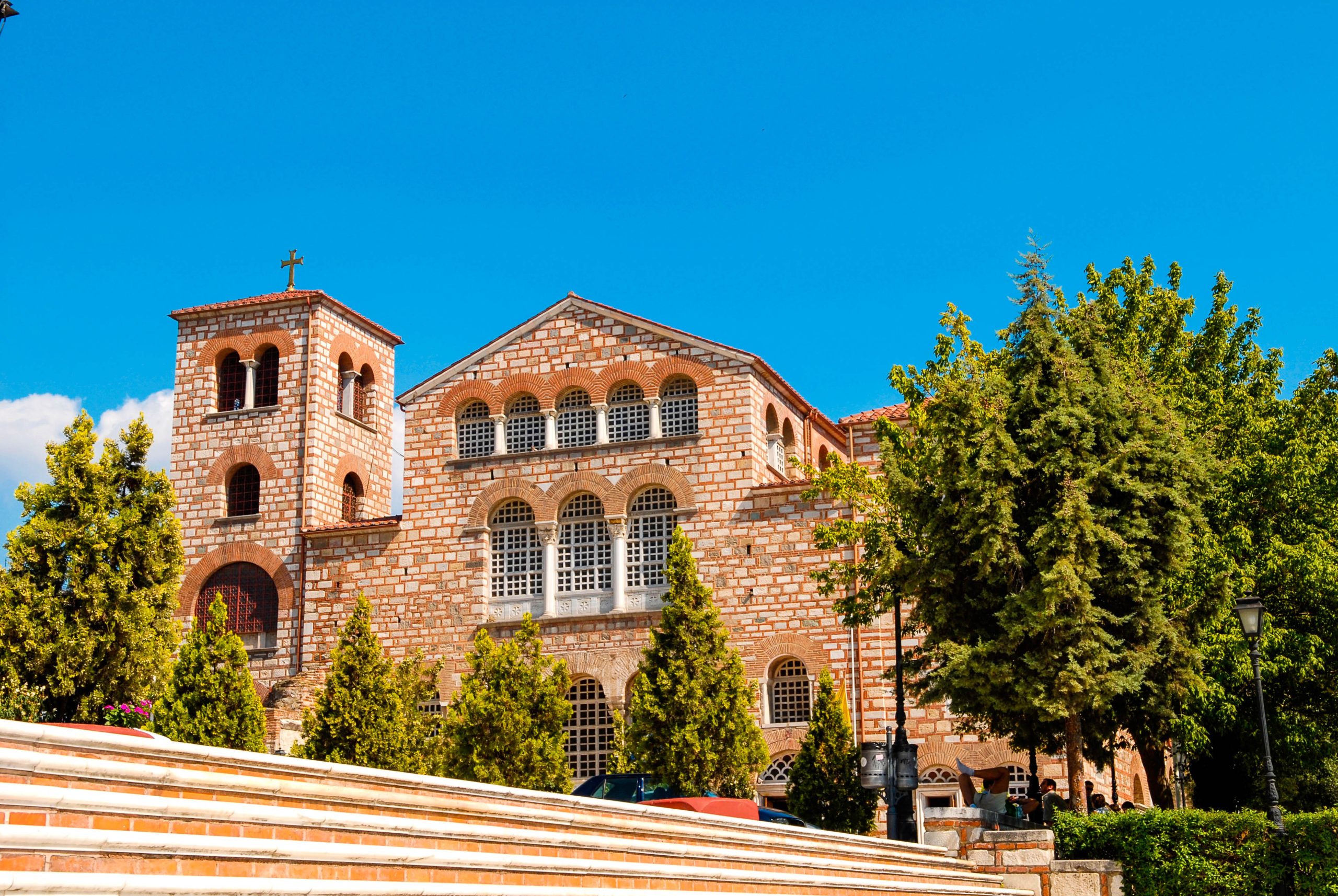
Among the most famous monuments are the Rotunda, the Church of the Acheiropoietos, the Church of Saint Demetrius, the Latomou Monastery, also known as Hosios David, Hagia Sophia, Panagia Chalkeon, the Church of Saint Panteleimon, the Holy Apostles, Saint Nicholas Orphanos, Saint Catherine, the Church of the Transfiguration of the Savior, Vlatadon Monastery, the Church of Prophet Elijah, the Byzantine Baths, and the Walls of Thessaloniki. Each monument has its own identity and historical value, yet all together they form a unified picture of the city’s religious, artistic, and social evolution.


Ροτόντα, Θεσσαλονίκη
The Walls of Thessaloniki are especially important because they are not only a defensive structure but also a symbol of the city’s continuity through time. Along with their towers, gates, and other fortification elements, they show how Thessaloniki served for centuries as a strategic center with major geopolitical importance. Their inclusion in the UNESCO monuments reminds us that the city was not shaped only as a religious and spiritual hub, but also as a strong urban center with defensive and commercial significance. The walls still stand as a powerful reminder of the city’s resilience and historical depth.
Equally significant is the role of the churches and monasteries. The Acheiropoietos, Saint Demetrius, Hagia Sophia, and Panagia Chalkeon are outstanding examples of Byzantine ecclesiastical architecture. Their mosaics, frescoes, and overall structure reveal the artistic sophistication of the period and the deep spiritual life of the city’s inhabitants. These monuments are not merely beautiful buildings; they are living testimonies of devotion, craftsmanship, and cultural exchange. Vlatadon Monastery and Saint Nicholas Orphanos, located in Ano Poli, connect the Byzantine past directly with the present-day urban landscape, offering visitors a vivid sense of historical continuity.
The UNESCO monuments route recommended by thessaloniki.travel makes it easier for visitors to explore this heritage in an organized and meaningful way. It is more than a simple tourist walk. It is an experience that brings together history, faith, architecture, and art in one journey through the city. Walking from the center toward Ano Poli, visitors can discover monuments that reflect Thessaloniki’s multi-layered identity and its uninterrupted presence across the centuries. The route allows the city to be read like a historical map, where every stop reveals another aspect of its long story.
The value of these monuments is immense, not only because they have survived until today, but also because they tell the story of a city that has long been a crossroads of civilizations. Thessaloniki, through its UNESCO monuments, presents itself as a place where memory, art, and faith coexist in harmony. This is why visiting this route is essential for anyone who wants to truly understand the character of the city and appreciate its unique place in European and Mediterranean history





