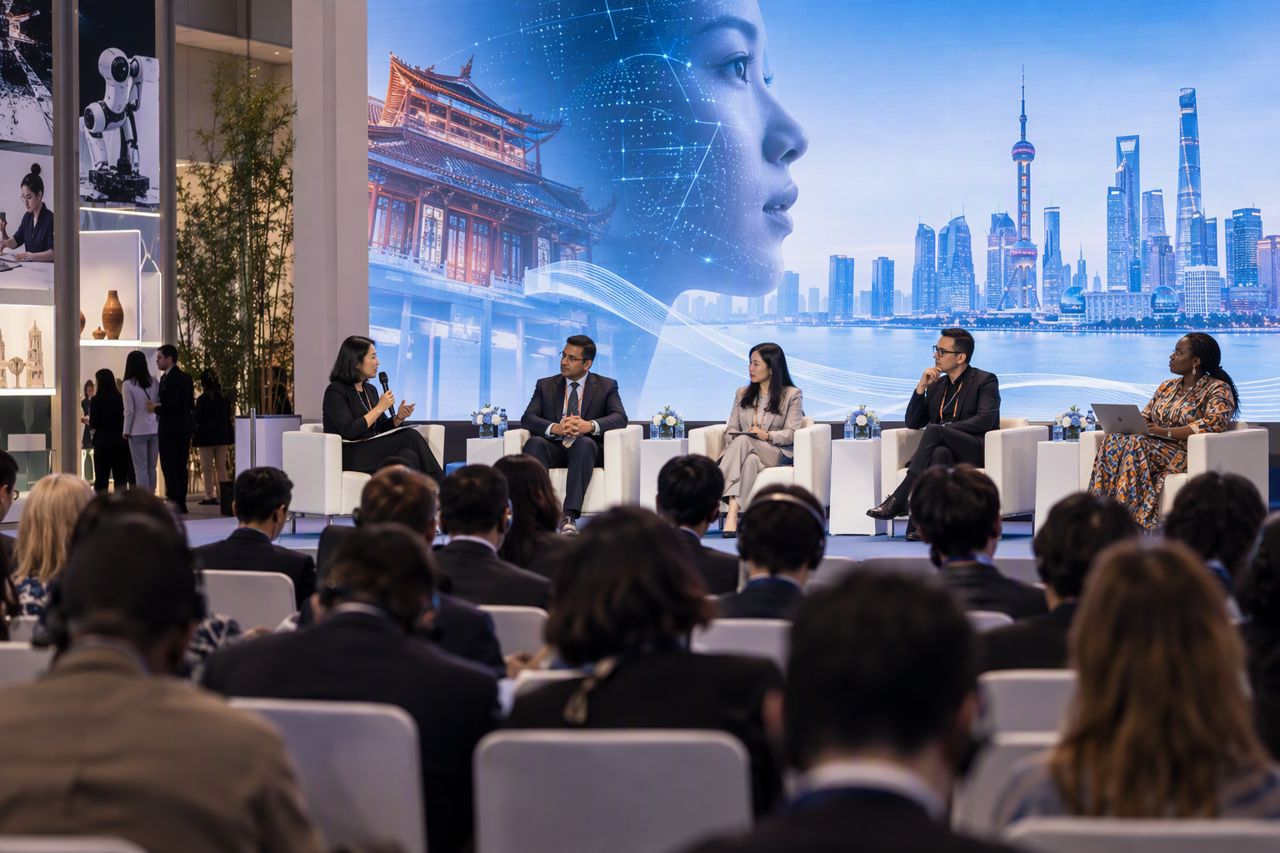
- What? Twenty-first sessionof the Intergovernmental Committee for the Safeguarding of the Intangible Cultural Heritage
-
When? From 30 November to 5 December 2026 (with an opening event on 29 November 2026)
- Where? Xiamen, China (there will also be live broadcast)
- Media registration to attend in person is compulsory, please register here. Accreditation will remain open throughout the session. Once your registration has been confirmed, participants will be invited to provide personal and travel related information to the host country through the dedicated webpage (https://www.21comxiamen.com/) to facilitate visas and participation. The General information documentincludes useful information related to transportation, recommended hotels and visa issues.
-
A WhatsApp group and WeChat group will allow you to follow the progress of the Committee’s work and new inscriptions in real time. You can join the WhatsApp Group hereand for WeChat, if you would like to be included, please email: pressoffice@unesco.org
What Intangible cultural heritage is and why it matters today
Intangible cultural heritage refers to the practices, representations, knowledge and skills that communities recognize as part of their shared cultural heritage. These living traditions, which encompass oral expressions, performing arts, social practices, rituals and festive events, are passed on from one generation to the next and evolve over time in response to changing social contexts. At a time when technological change and social transformations are reshaping societies, intangible cultural heritage helps communities maintain a sense of identity and belonging, strengthens social cohesion, and promotes respect for cultural diversity and dialogue.
2026 Committee session
During its twenty-first session, the Committee will examine 64 nominations submitted by 82 countries around the world under the overarching theme of “harmonious well-being,” reflecting the role of intangible cultural heritage as a driver of quality of life, encompassing physical and mental health and balanced relationships with the natural environment.
This session also highlights important trends in the global recognition and safeguarding of intangible cultural heritage:
-
Significant progress across Africa, reflecting the continued efforts of African States Parties and the broader global commitment to safeguarding living heritage. Four African countries could see their first element inscribed: Eswatini, Lesotho, South Sudan and the United Republic of Tanzania.
-
Growing international cooperation, with the Committee set to examine 18 multinational nominations, including extension requests, twice as many as in 2025. This increase illustrates the growing cooperation among countries to safeguard living heritage shared across borders.
-
Prioritizing SIDS, with the Committee’s examination of a nomination from Barbados, highlighting the importance of SIDS as UNESCO’s Priority Group.
As per the provisional schedule, from 1 December to 3 December, the Committee will examine:
- 59 nominationsfor the Representative List of the Intangible Cultural Heritage of Humanity (including5 extension requests for elements already inscribed to include additional countries, or communities within the same country);
- Four nominationsfor the List of Intangible Cultural Heritage in Need of Urgent Safeguarding;
-
One request for the transfer of an inscribed elementfrom the Urgent Safeguarding List to the Representative List, demonstrating positive results achieved through safeguarding efforts.
Some examples of ICH elements considered for inscription include (Consult the full list of nominations to be examined here):
- Chinese cuisine: knowledge and practices of the Chinese people regarding the preparation and enjoyment of food, representing the selection, processing, combination and cooking of ingredients, as well as the enjoyment and sharing of food;
- Traditional felt making, in Azerbaijan, the Islamic Republic of Iran, Kazakhstan, Kyrgyzstan, Mongolia, Tajikistan, Türkiye and Uzbekistan, involving the production of a dense, non-woven material from wool through the collective efforts of women, men and children, used for carpets, prayer mats, yurt coverings, clothing and accessories;
- Road tennis, a traditional sport in Barbados, which emerged in the early twentieth century in response to social exclusion from lawn tennis clubs, making the game accessible to people of all ages and backgrounds;
- The knowledge, craft techniques and skill of making the Basotho hat / Moliea-Nyeoein Lesotho – the hat is conical in shape and is primarily woven with grass known asmoseea;
- Saint Barbara’s celebrations and traditions of minersin Poland, Austria and Luxembourg, bringing miners, their families and communities together through music, dancing, shared meals and rituals honouring deceased miners;
-
The Jota, a traditional music and dance genre in Spain, which takes the form of a clearly recognisable ternary rhythm and uses guitars, castanets, dulzainas, and other instruments, dating back to the 18th century.
Quick access
- Official website of the 2026 session of the Intergovernmental Committee for the Safeguarding of the Intangible Cultural Heritage
- List of 2026 nomination files
-
Join the press group on WhatsApp here(for WeChat please email pressoffice@unesco.org to be included)
Photo/Video usage:
UNESCO does not hold the rights to the photos/videos included in the different nomination files material. Anyone wishing to use them should request permission from the relevant contact mentioned in the file.
Press contacts
Nolwazi
Mjwara
Press Officer (Heritage, Cultural Diversity, Creative Industries)
mailn.mjwara@unesco.org


Maria
Sanchez Aponte
Head of Press
mailm.sanchez-aponte@unesco.org