


There are relationships in the safari world that begin with NDAs, rate sheets, and very serious conversations about “synergy.” And then there’s Rhino Africa and Londolozi. Which, if I’m honest, has always felt less like a partnership and more like one of those long-running friendships where nobody remembers who called whom first – only that things tend to click when you’re sitting at the same table. I’ve been at Rhino Africa long enough to know which stories get retold for effect… and which ones get retold because they still matter. This one sits firmly in the second camp.
This is where stories surfaced naturally, long after formalities faded, Image Credit: Londolozi
The Bit That Explains Everything Else
Before we get into the uninvited arrival and the borrowed Land Rover, it’s worth grounding this story properly – especially if you’re not already familiar with how Rhino Africa and Londolozi fit into the safari landscape.
At its most basic level, this is a relationship between a travel company and a lodge. Rhino Africa plans journeys. Londolozi hosts guests. On paper, that’s neat and uncomplicated. However, in reality, it never has been.
When our Founder and CEO, David Ryan, was building Rhino Africa, he wasn’t looking to stack a list of places to sell. Instead, he was trying to understand how safaris should work – who did them well, cared deeply, and treated people and places with the kind of attention that doesn’t scale easily.
David was young, impatient, and deathly allergic to anything that felt performative. What he needed were benchmarks. Teachers. Places that would challenge him rather than flatter him.
“Rhino Africa, especially at the beginning, was more of a belief system than a business.”
– David Ryan.
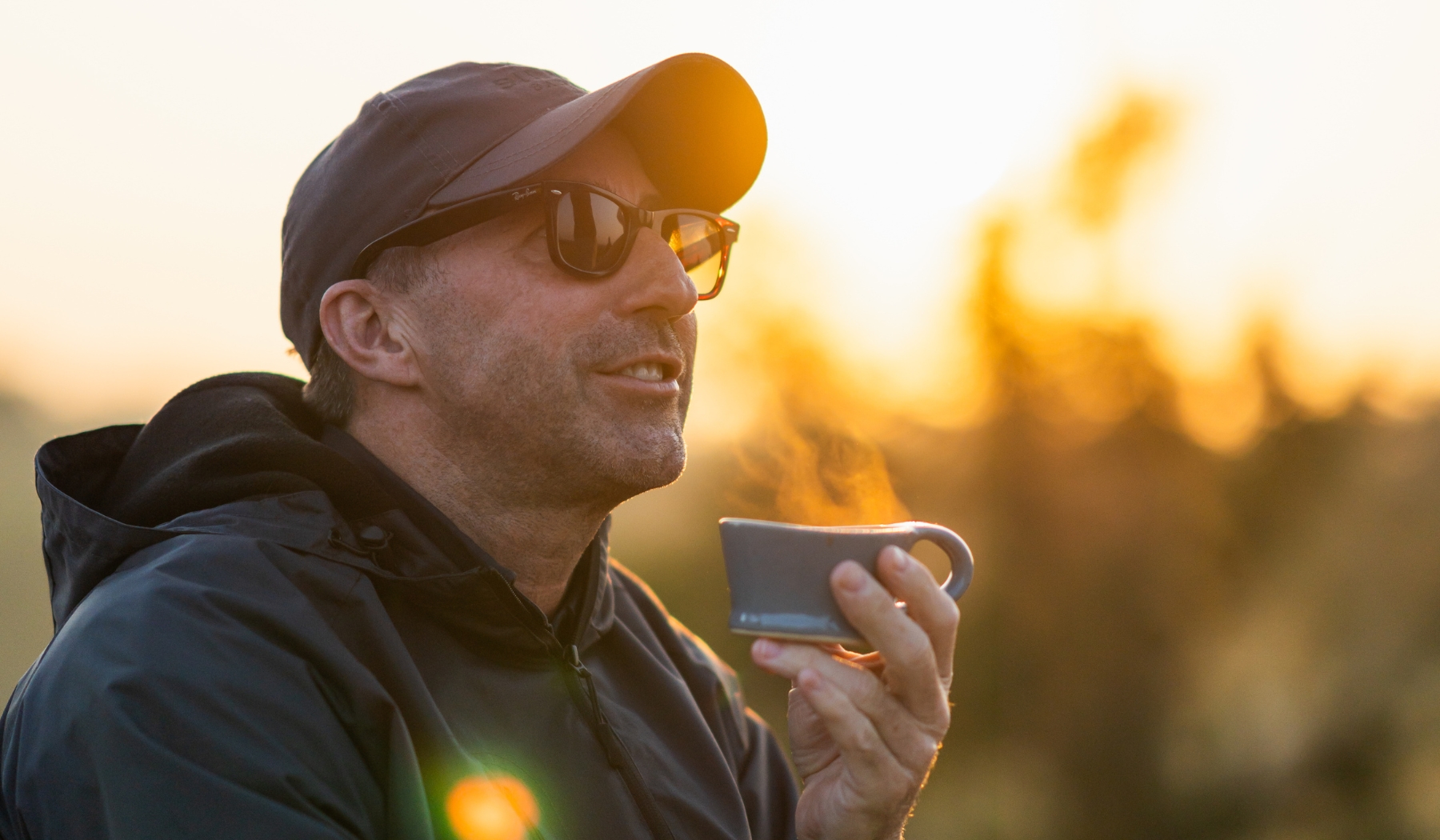
Understanding came first; everything else followed later
The Name Londolozi Kept Surfacing
Londolozi is a place that people speak about differently. One that past guests struggle to explain without drifting into hand gestures, long pauses, and exasperated sighs. A place that already decided, long before most of the industry caught on, that how you host people in wild places carries weight.
What David didn’t realise at the time was that his first solid impression of Londolozi was about to be formed. It happened on a trade show floor in 2006, when Rhino Africa was barely two years old.
While most of the hall leaned heavily on spectacle, the Londolozi table did the opposite. Just the Varty Family, the pioneering founders of Londolozi Private Game Reserve, gathered together – open, grounded, and talking easily with whoever stopped by. David shook their hands. They spoke. Nothing momentous was said. But something landed.
“I walked away with a little piece of something I couldn’t name yet. A spark. A feeling.”
– David Ryan.
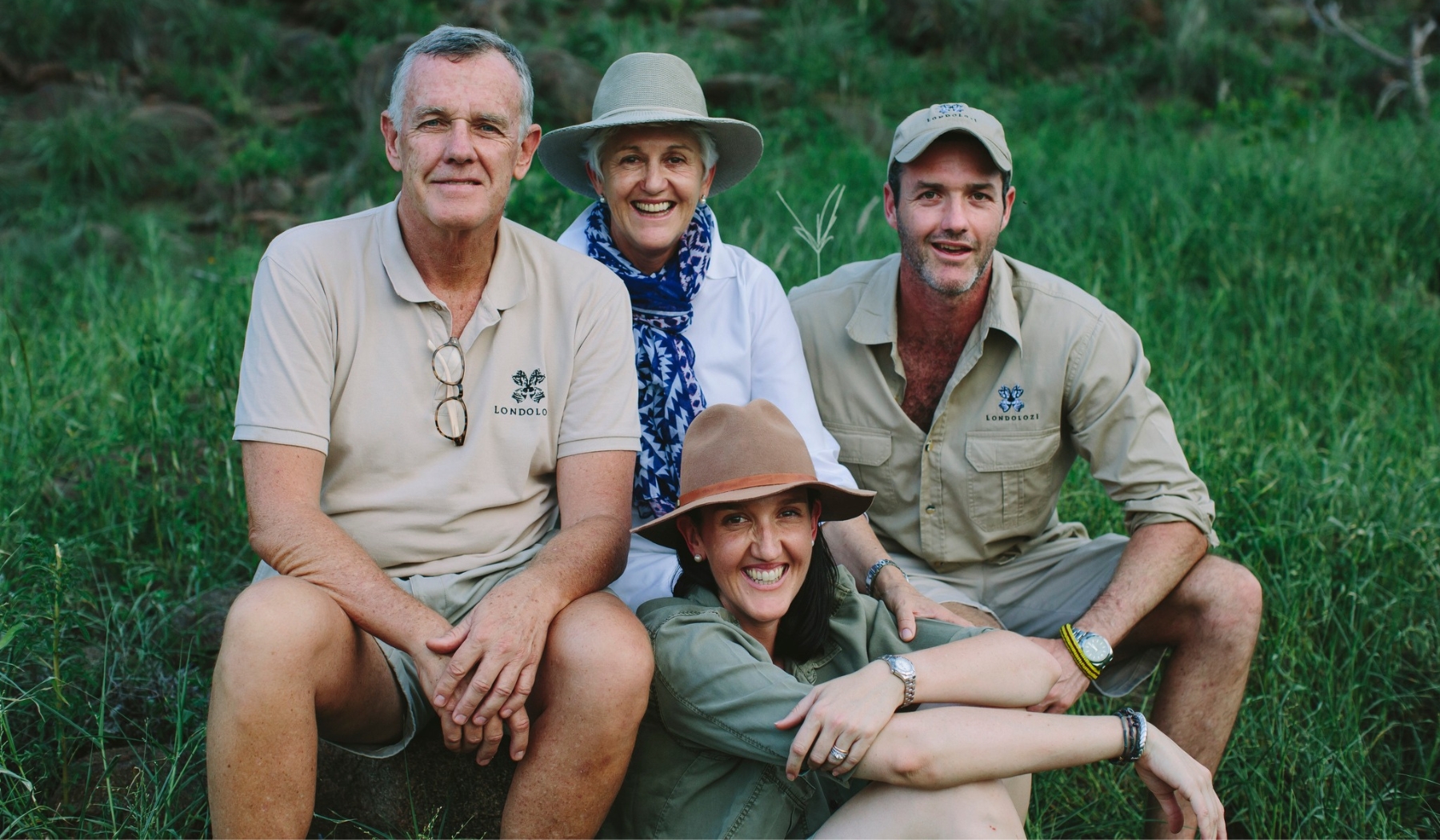
The people behind the place everyone was talking about, Image Credit: Londolozi
The Uninvited Arrival
This origin story has become borderline mythical within our Rhino Crash, so let’s get it out of the way up front. It was March 2007, the season tipping away from summer, when David drove to Londolozi Private Game Reserve in a borrowed Land Rover… uninvited.
He brought champagne. He had more confidence than credentials. And he had a vague sense that something interesting might happen if he showed up anyway.
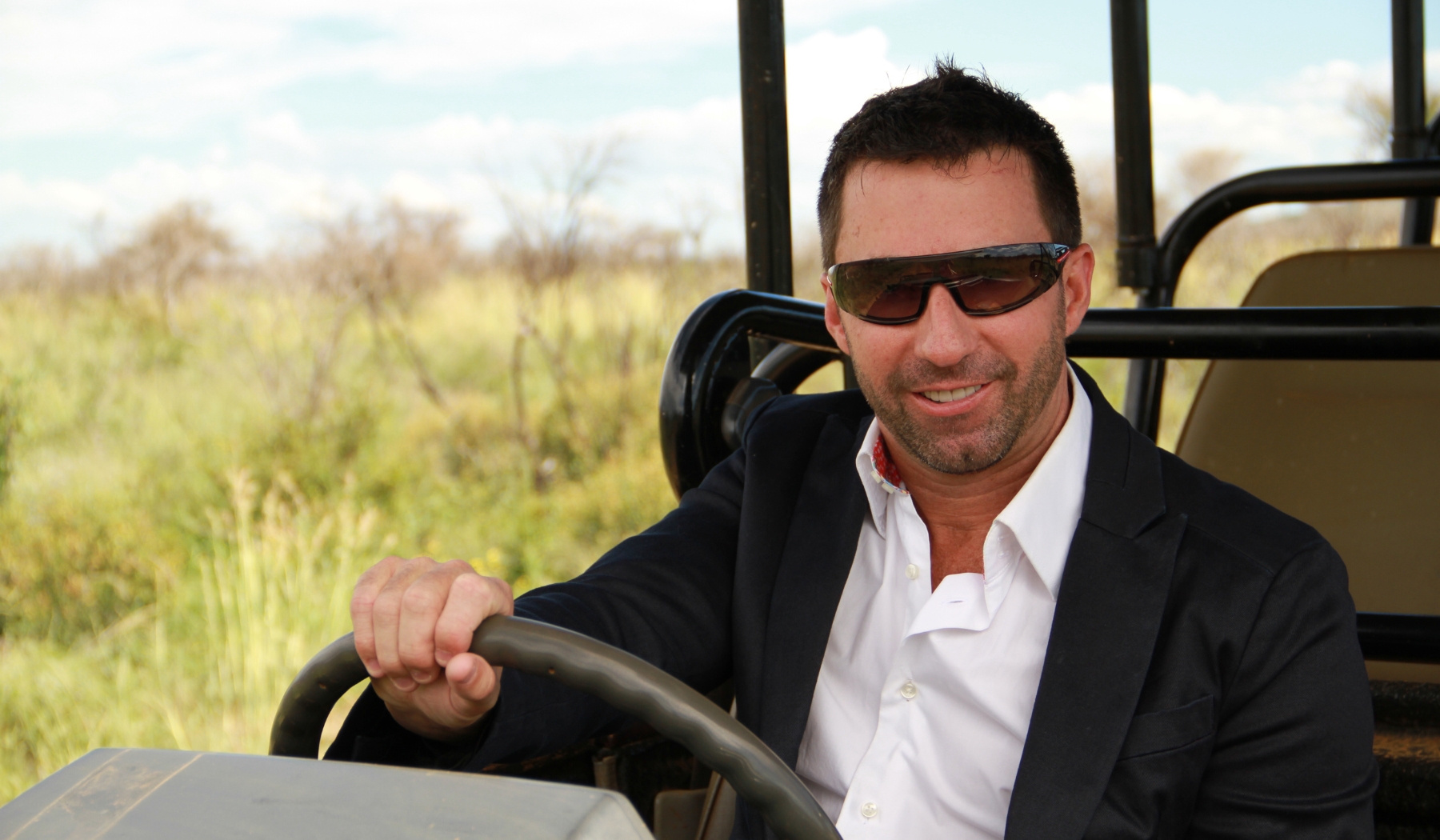
Sometimes momentum starts by simply turning the key
Tea with the Vartys (and Stoff)
What followed wasn’t a ceremony. Or suspicion. Or a polite “please email reservations.” It was tea on the deck at Londolozi Varty Camp with Dave, Shan, Bronwyn, and Boyd Varty – oh, and Stoff (Chris Kane-Berman), who was a ranger at the time. Chairs edged closer, and attention was given freely.
Because Londolozi – long before the accolades, Instagram feeds, and the idea of “brand” became something people brainstormed to oblivion in boardrooms – was already practising a particular way of being. Present. Attentive. Human. David summed it up with a line that still circulates around our Rhino HQ as a silent way of being:
“Hospitality isn’t what you do for people. It’s how you make them feel about belonging.”
– David Ryan.
That sentence explains more about Londolozi than any polished pitch ever could. And it aligned, almost too neatly, with the way David already moved through the world.
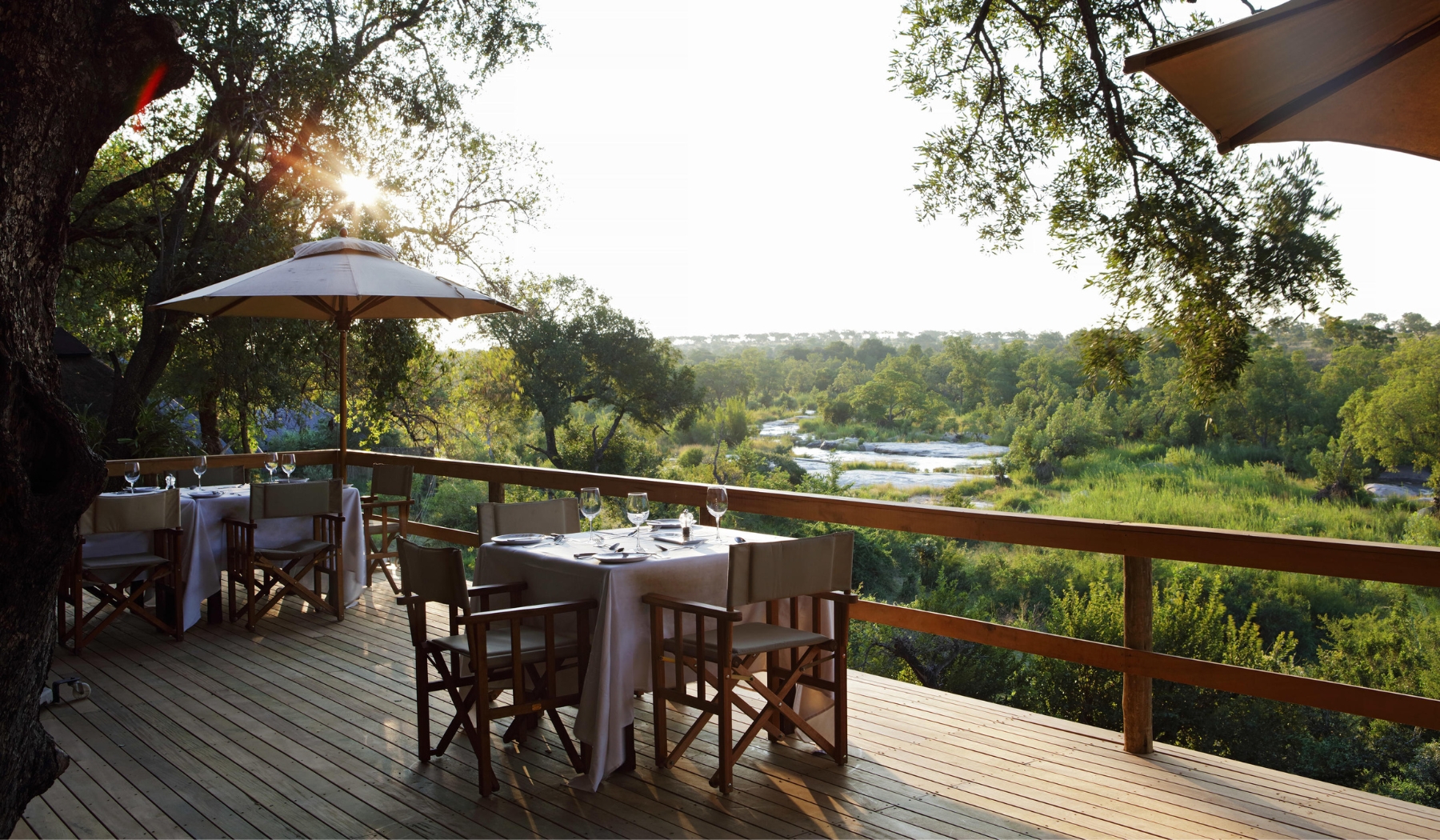
Space made for people, not impressions or expectations, Image Credit: Londolozi
Recognising Something Familiar
From where I sit, somewhere between copy decks and David’s tendency to pace when he’s thinking, what’s always fascinated me about Rhino Africa and Londolozi is how instinctively they recognised each other. Not because they were exactly the same. They weren’t. Not entirely.
One side was steeped in legacy, lineage, and a deeply considered approach to hosting people in the African wilderness. The other was younger, louder, averse to beige thinking, and convinced that the internet might actually be useful for safaris. But beneath the differences lay a shared refusal to treat Africa as a product.
Both intuitively believed travel should protect the places it depends on. That scale isn’t the goal. That presence counts. That people aren’t transactions. And that if something matters, you don’t rush it just because everyone else is.
That alignment doesn’t show up in contracts. It shows up in decisions. Especially the uncomfortable ones.
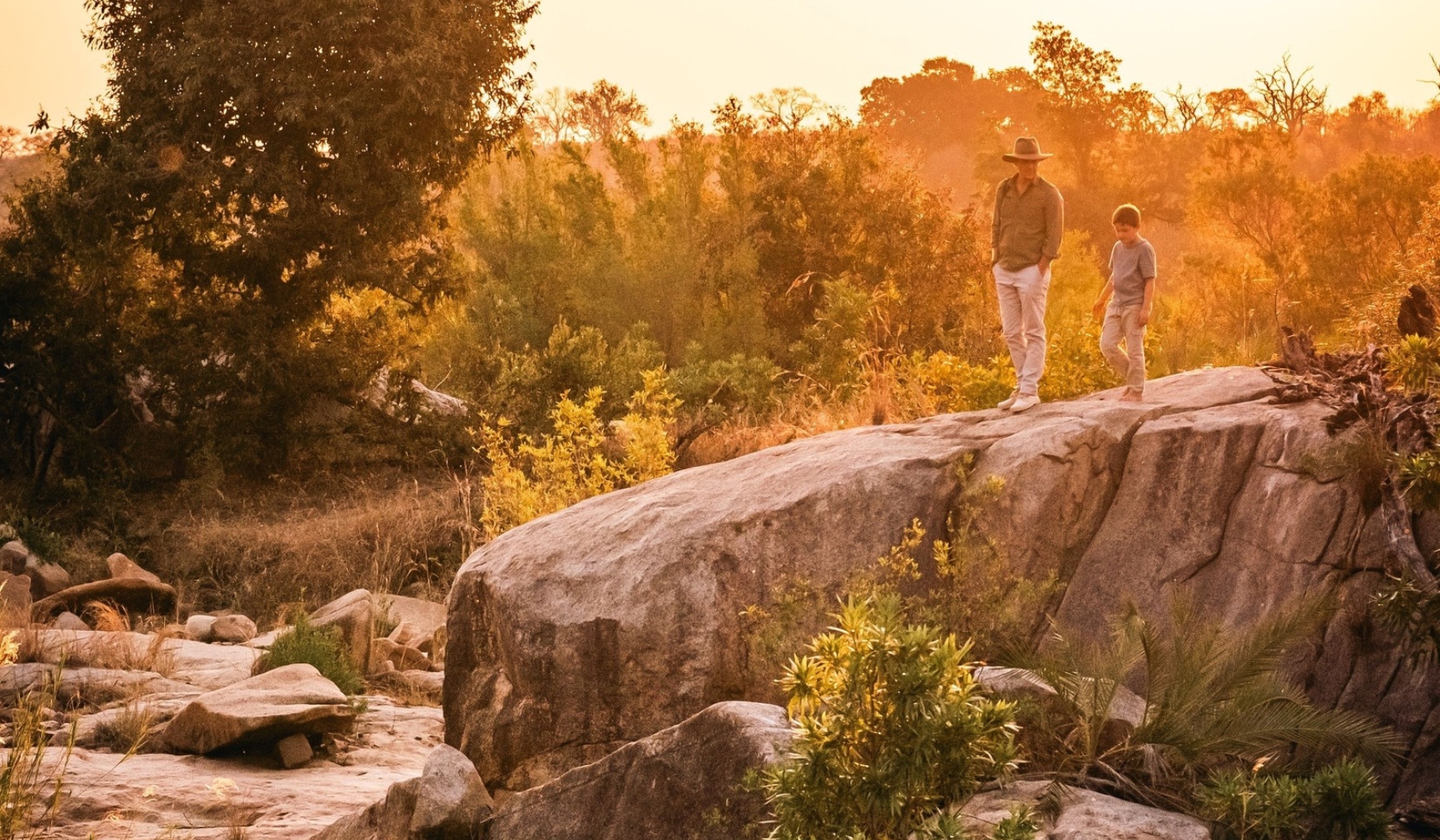
Different paths, same instinct about what truly matters, Image Credit: Londolozi
The Years That Tested Things
Not every chapter in this relationship was seamless – and that’s hardly surprising. Rhino Africa was growing up. Londolozi, in a way, already had.
Those years looked different on either side. Rhino Africa was finding its feet as a business, experimenting, expanding, and learning what scale meant in practice. Londolozi was operating from a far longer view, one shaped by a deep understanding of what happens when things move too quickly in wild places.
At times, those differences created distance. From the outside, very little appeared to change. Trips continued. Guests arrived. The relationship remained intact. Inside, though, there were real conversations about pace, focus, and how to grow without losing the plot.
Most partnerships don’t survive that stage. They default to process, slide into formality, or carry on out of habit. This one didn’t – because neither side treated growth as an excuse to compromise, or difference as something to smooth over quickly.
“Integrity and innovation can coexist. But only if you’re willing to be uncomfortable for a while.”
– David Ryan.

Staying aligned when growth pulls at different speeds, Image Credit: Londolozi
What it Looks Like Now
Today, the relationship doesn’t need fanfare. It doesn’t perform. It simply holds. That willingness to sit in discomfort without burning bridges is the unglamorous reason Rhino Africa and Londolozi are still aligned today.
Londolozi continues to set the bar for what meaningful safari journeys look like. Rhino Africa continues to send guests who understand that the point isn’t ticking off sightings on a list, but arriving with curiosity and leaving changed in ways impossible to summarise neatly.
No one’s trying to outshine the other. No one’s chasing volume for the sake of it. And nobody panics when the world shifts, because the foundation is built on trust and a shared love for Africa.
“We didn’t build a business first. We built a relationship. Everything else followed.”
– David Ryan.
That’s not a romantic idea. It’s a practical one. But most importantly, it’s authentic. And it explains why this partnership has outlasted industry noise, platform changes, and the occasional existential wobble.
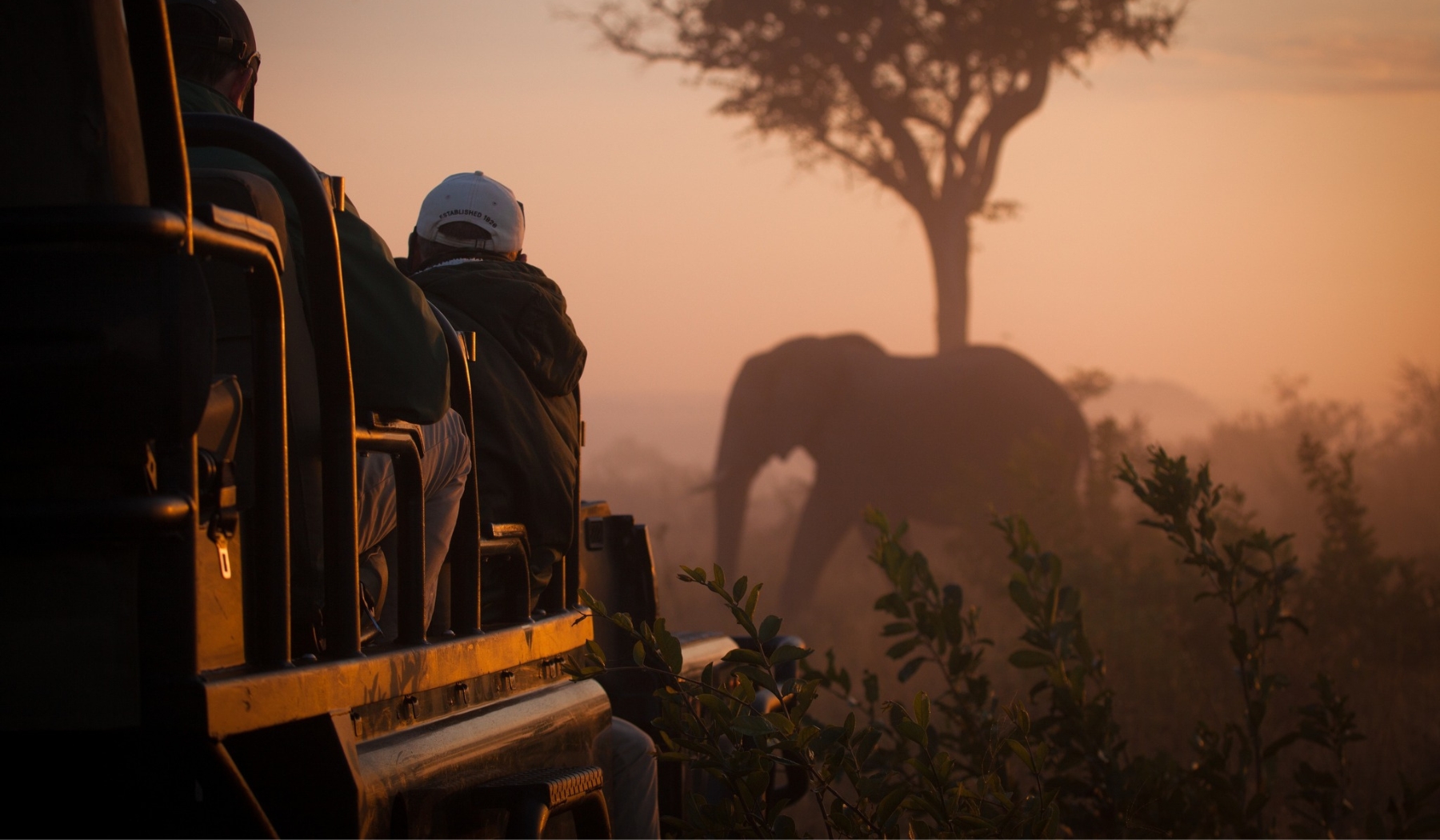
Nothing forced, nothing rushed, just shared understanding, Image Credit: Londolozi
Why This Story Matters
I think about this relationship often when people ask what makes Rhino Africa different. Not in a pitch-meeting way – in a why-do-we-do-this-at-all way.
Because Rhino Africa and Londolozi prove that longevity in this space doesn’t come from being louder, faster, or shinier. It comes from choosing your people carefully. From staying when it would be easier to drift. From returning when you’ve wandered. From knowing that presence beats performance every time.
And maybe that’s the real reason the uninvited arrival still gets told. Not because David brought champagne. But because he was let in anyway. And because both sides understood, instinctively, that the kind of partnerships worth keeping don’t need an invitation. They just need honesty, patience, and the willingness to pull up a chair when it matters.
Which, if you ask me, is still a pretty good way to move through Africa. Londolozi is a place you have to experience for yourself, and if you have already, you’ll understand why people keep going back. Start planning your next visit.
