With deep roots and forward-looking ambitions, the North African nation is transforming infrastructure, energy and innovation into platforms for long-term economic growth.
“Clean energy is not only a response to climate change but also a strategic driver of economic growth, energy sovereignty and regional development.” – Moroccan Agency for Sustainable Energy (Masen)
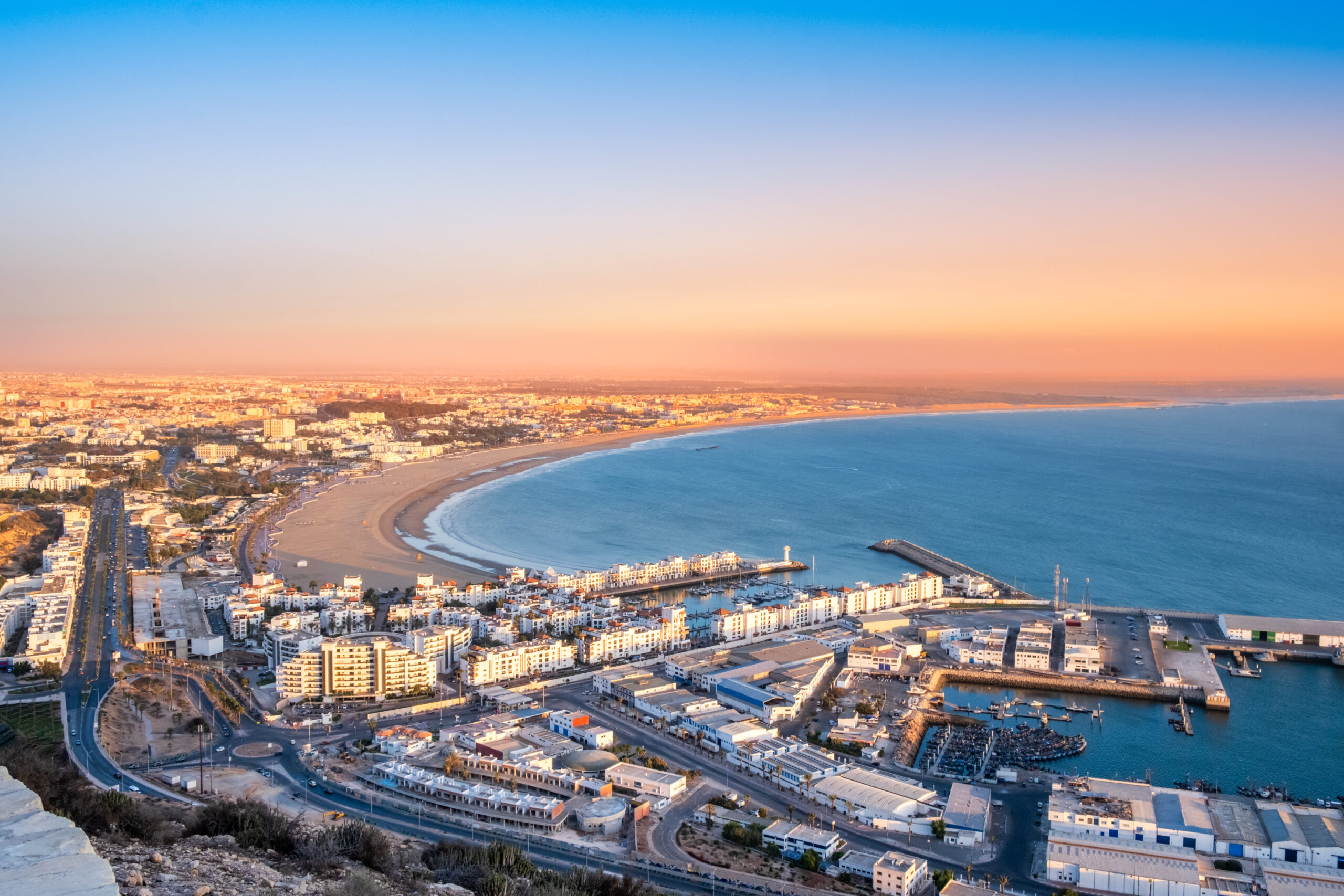
For centuries, Morocco’s geography has made it a meeting point between continents. Today, that same position is being transformed into an economic advantage, as the Kingdom combines industrial ambition, technological innovation and sustainable development to shape its next chapter of growth.
The country’s economic transformation is entering a new phase. After decades of investment in infrastructure, industrial capacity and connectivity, it is moving beyond building foundations and towards creating a more diversified, innovation-driven economy, capable of competing on the global stage.
Rooted in history and shaped by its position between Africa, Europe and the Middle East, Morocco has long been defined by its ability to connect markets and cultures. Now, that role is being reinforced by a deliberate strategy to develop industries, technologies and capabilities that create value both within the country and beyond its borders.
Over the past two decades, investment in transport networks, industrial ecosystems, renewable energy and digital infrastructure has reshaped the economic landscape. These foundations have supported a shift from traditional sectors towards higher-value activities, strengthening the Kingdom’s position as a destination for companies seeking stability, talent and access to regional markets.
Loading…
This evolution reflects a broader change in economic identity. Once recognized primarily for agriculture and traditional industries, the country has increasingly become a center for industrial production and innovation, with growing capabilities in automotive manufacturing, aeronautics, green energy and advanced services.
Energy has become one of the clearest expressions of this ambition. Morocco has positioned renewable power at the center of its long-term development strategy, recognizing that the transition towards cleaner energy is not only an environmental commitment but a driver of competitiveness, energy security and industrial opportunity.
Through large-scale solar and wind projects, alongside emerging sectors such as green hydrogen, Morocco is building an energy ecosystem designed to generate lasting economic value. The NOOR Ouarzazate Solar Complex represents this approach in practice, demonstrating how public-sector vision, private-sector participation and local development can combine to deliver infrastructure at international scale. Beyond electricity generation, the project has supported skills development, industrial partnerships and the growth of local capabilities linked to the wider energy transition.
Technology is becoming another defining element of the country’s next chapter. As digital transformation accelerates, Morocco is moving from technology adoption towards technology creation, supported by a growing ecosystem of fintech companies, digital infrastructure providers and innovation-led businesses.
“Morocco is no longer only a technology market. It is increasingly becoming a creator of technologies, digital infrastructures and globally-relevant platforms,” says Mohamed Amarti Riffi, CEO of S2M.
This shift reflects a wider ambition: to ensure that the country is not only a destination for global expertise but also a financial technology to artificial intelligence and advanced digital services, Moroccan companies are increasingly using local knowledge as a foundation for regional and global growth
Behind this transformation is a combination of factors that continue to strengthen the Kingdom’s appeal: political stability, a young and skilled workforce, strategic geography and a growing culture of innovation. Its role as a bridge between Europe and Africa has long been an advantage, but that position is now supported by modern infrastructure, industrial depth and increasingly sophisticated capabilities.
The next stage of development will depend on the ability to continue translating ambition into execution.
The challenge is no longer to only attract investment, but to create lasting value through stronger industries, deeper local capabilities and companies capable of competing beyond national borders.