The <a href="https://absafricatv.com/afrima-lma-sign-partnership-deal-to-boost-lesothos-music-industry/” title=”AFRIMA, LMA sign partnership deal to boost Lesotho's music industry”>partnership between Denver Zoo Conservation Alliance and Rwanda Wildlife Conservation Association (RWCA) is a powerful example of how we are working to protect wildlife and support communities in Rwanda and across East Africa. Together, our teams are working with local leadership at the intersection of science, community, and action to create conservation solutions that have a lasting impact.
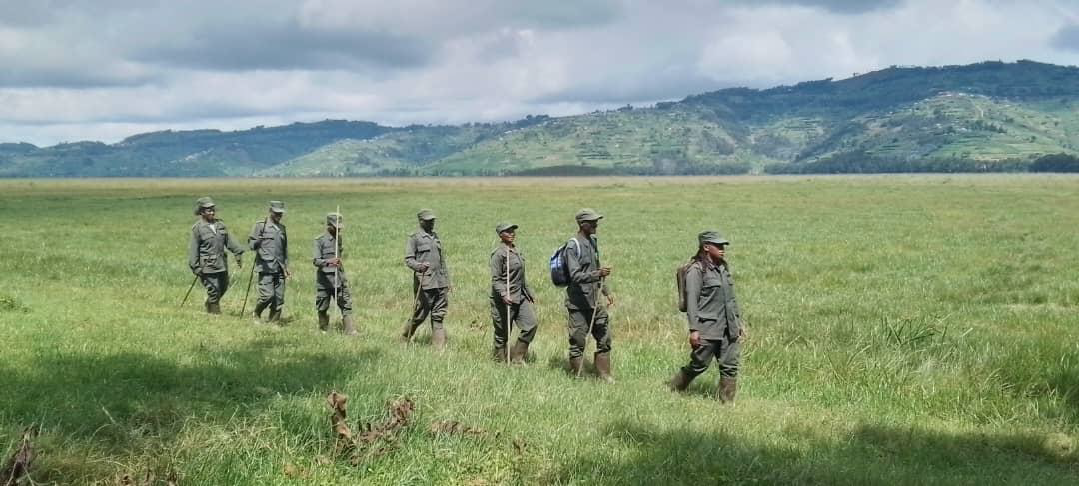
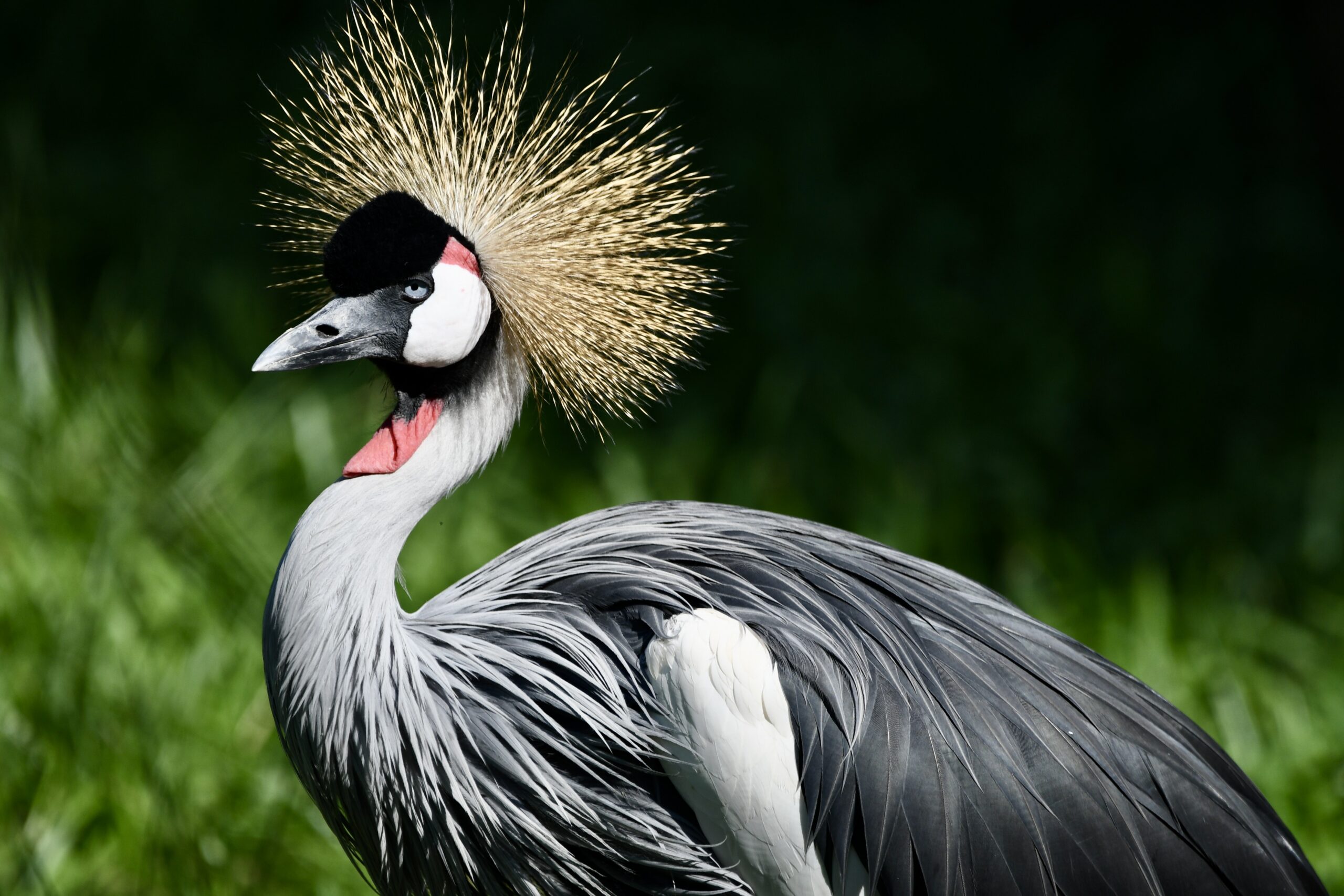
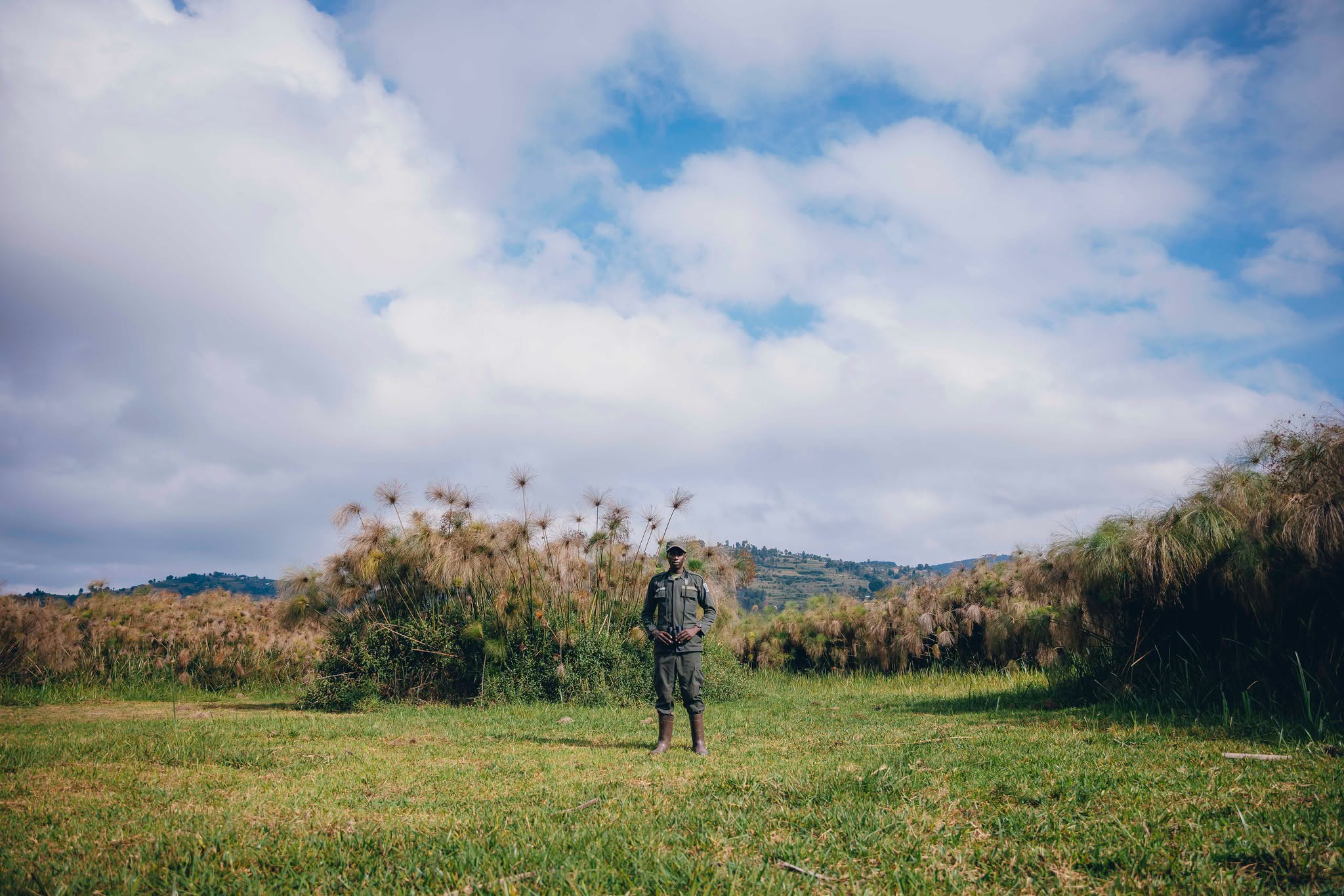
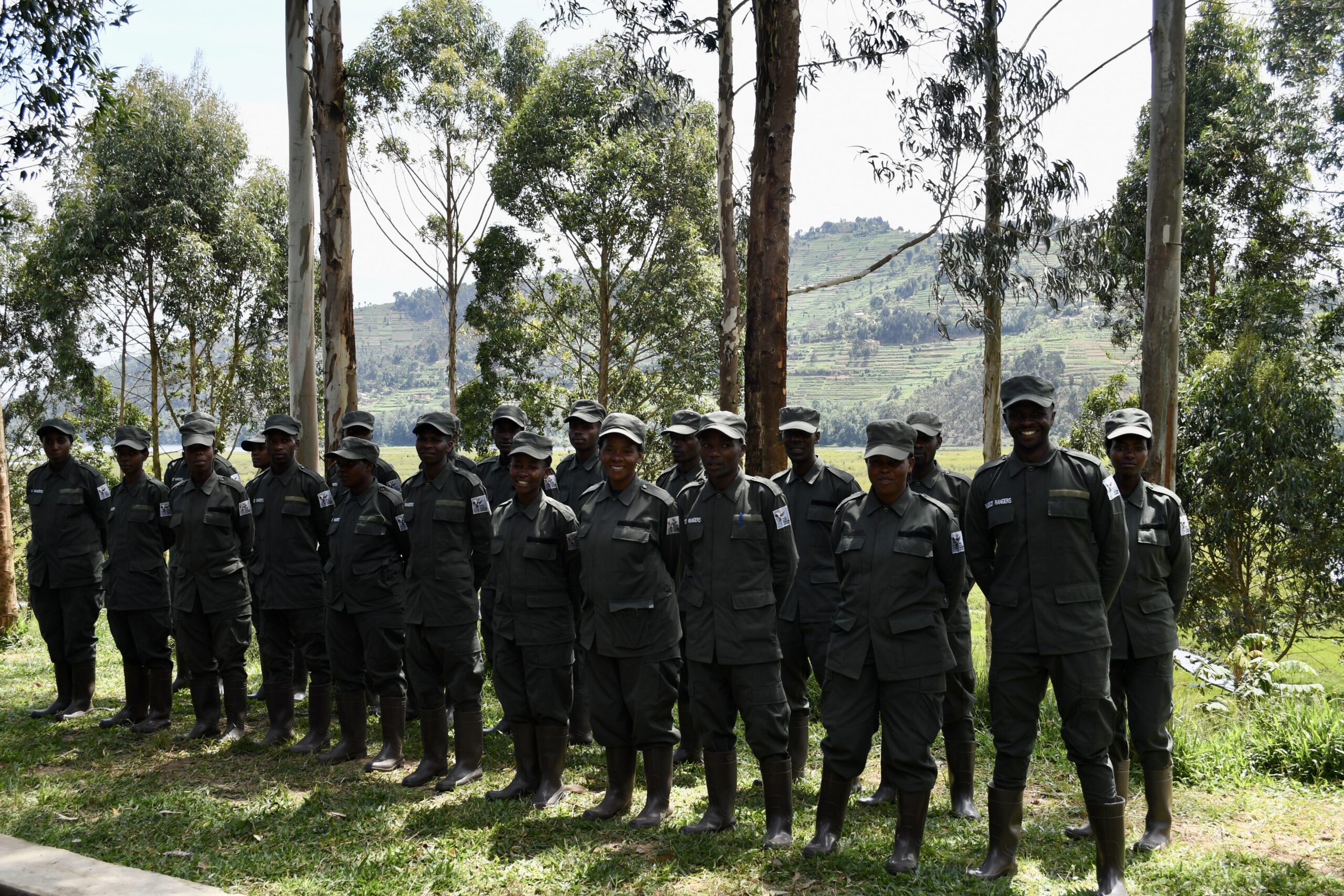
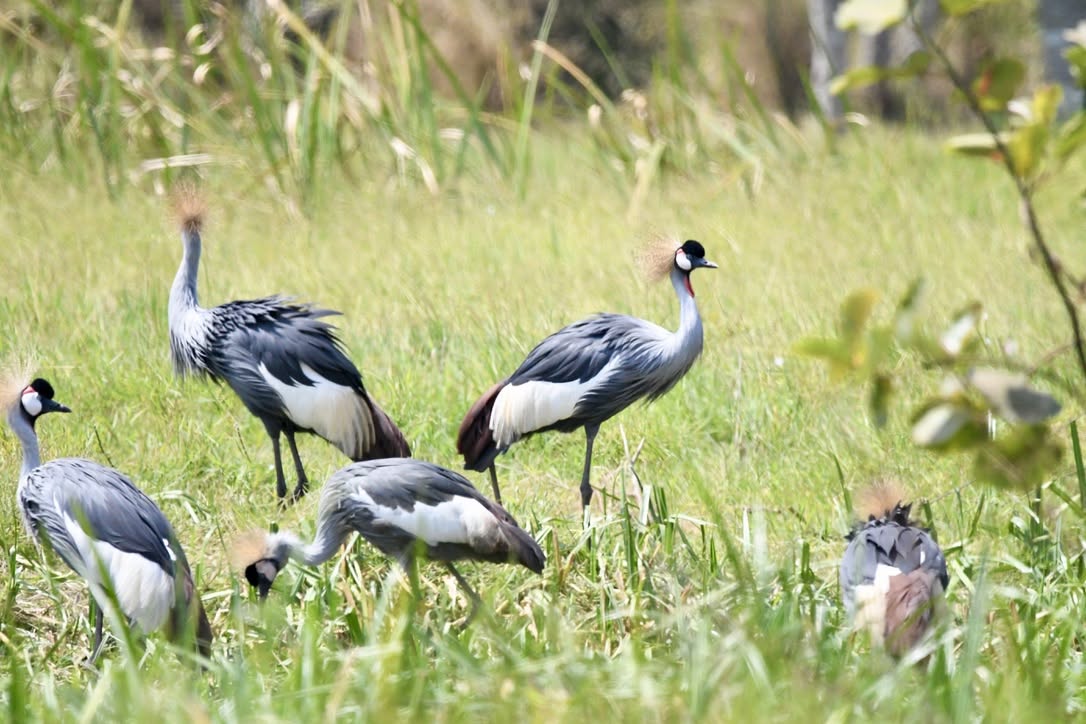
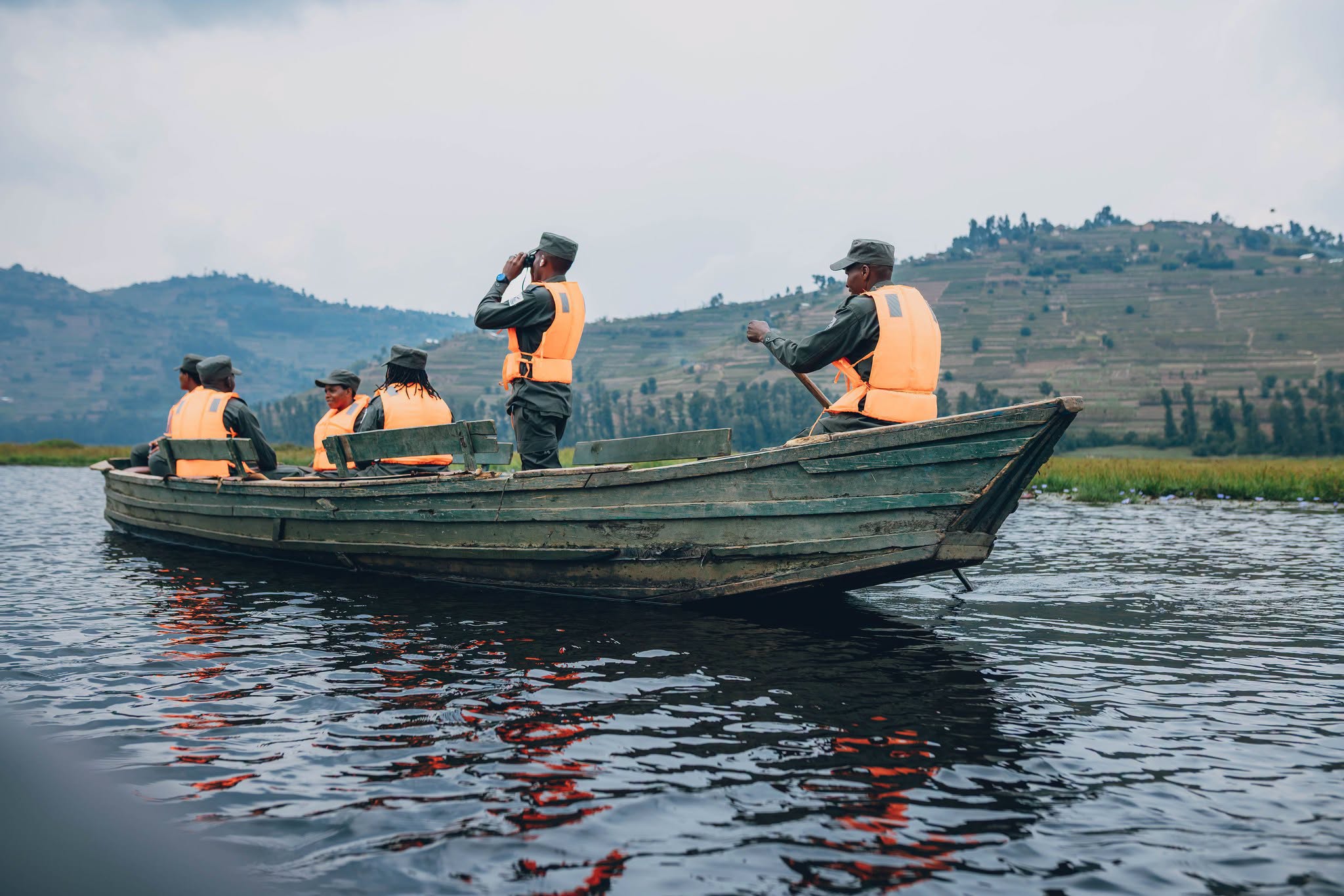
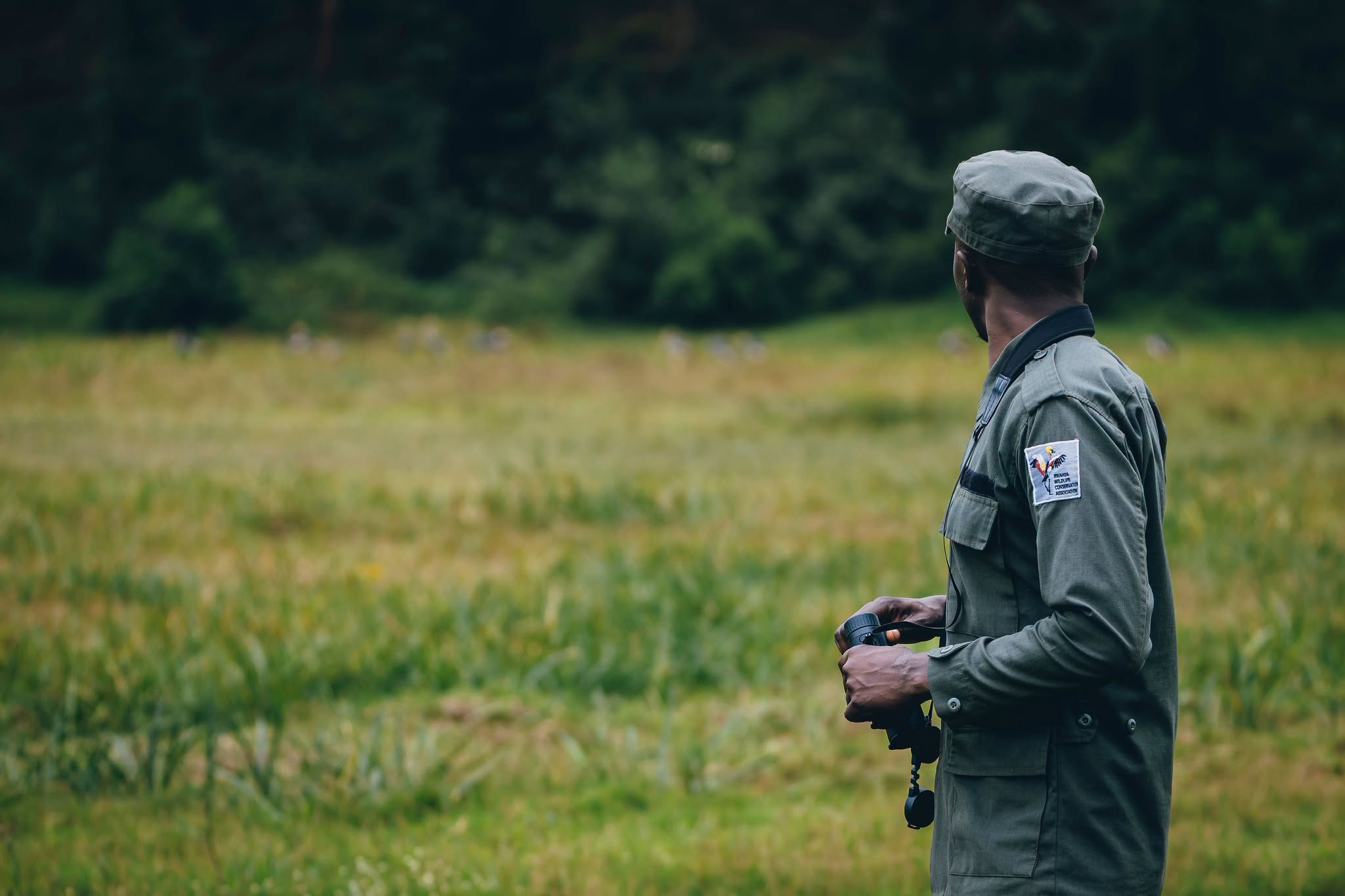
Since the partnership began in 2023, the protection of Endangered grey crowned cranes and the wetlands they depend on have been strengthened by this collaboration. Grey crowned cranes face many threats such as habitat loss, the illegal wildlife trade and human-crane conflicts. DZCA’s support focuses on a transboundary coalition in an area across Rwanda, Uganda, Tanzania, and Burundi, supporting their Community Conservation Champion program employing local people. The Champions play leadership roles in their respective communities by monitoring crane breeding sites, engaging farmers, supporting wetland protection, and helping reduce human–wildlife conflict. This partnership reflects DZCA’s belief that we are all part of Saving Wildlife Together by learning from and supporting our alliance of local and global partners and communities

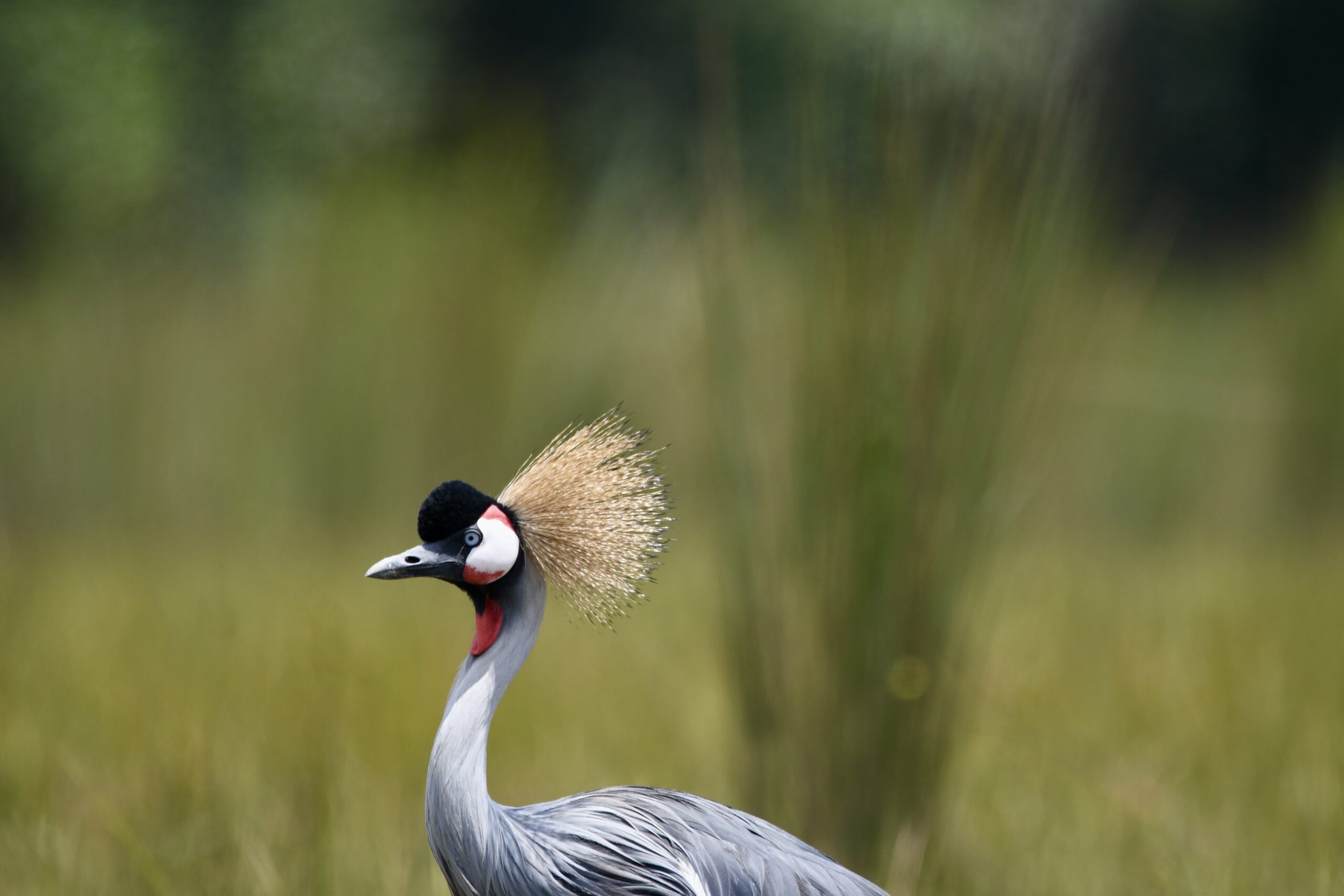
As part of our Africa field conservation partnerships, robust monitoring and evaluation metrics are tracked to make sure that our collaborative conservation efforts are having the anticipated positive impact. By using science to better understand wildlife and measure conservation outcomes, we can continually support innovative, evidence-based approaches to helping save wildlife. We wanted to share some encouraging numbers from RWCA’s 2025 year-end report:
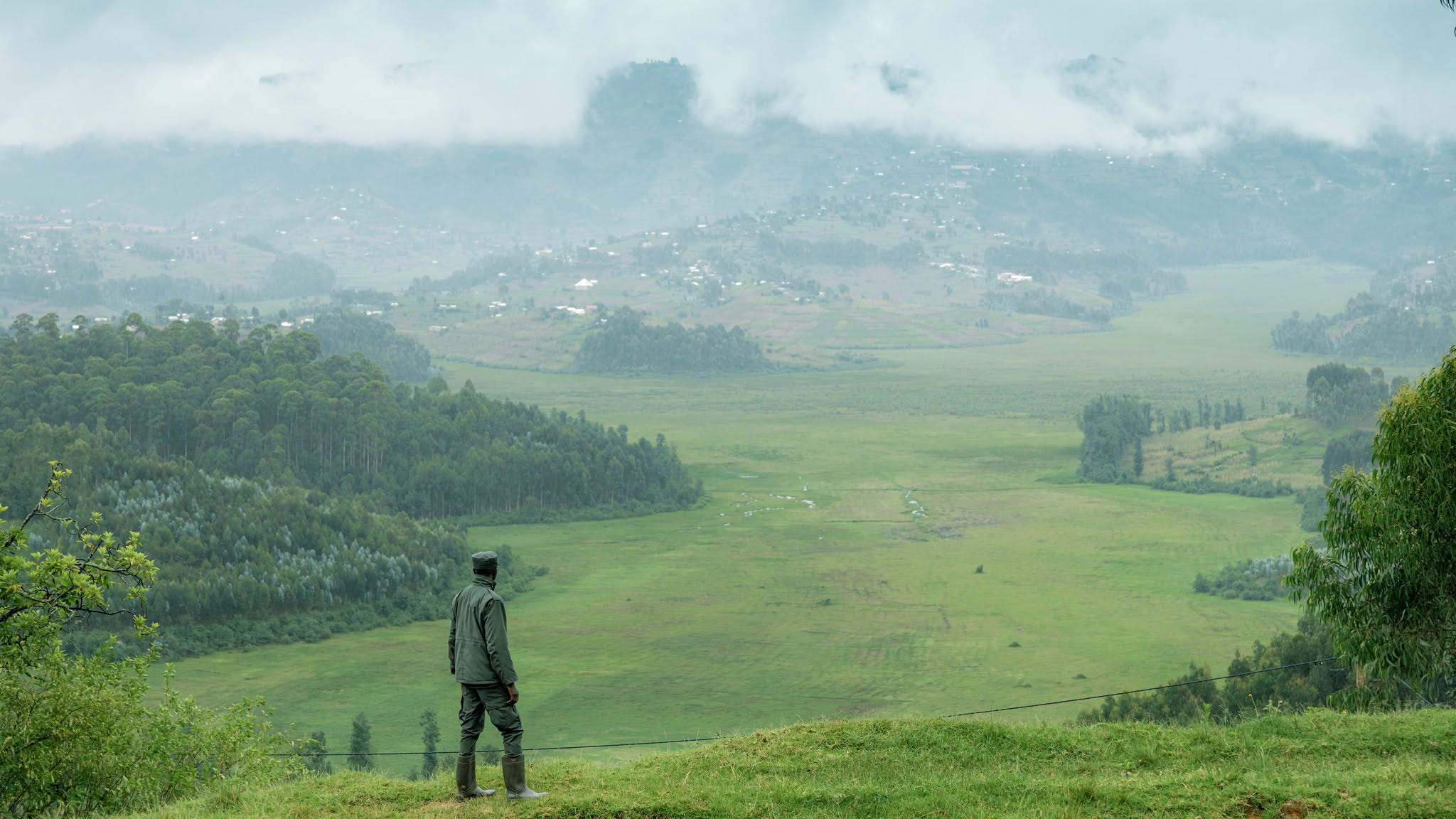
- By the end of 2025, the wetland areas monitored by RWCA’s Champions and Rugezi Marsh Rangers expanded to 24,904 square kilometers across the transboundary area—nearly double the area covered in 2023.
- In Rwanda, Community Champions and Rangers monitored 73 grey crowned crane breeding events in 2025. During these events, 124 chicks hatched and 116 successfully fledged, resulting in a 94 percent success rate.
- Across the full transboundary region, coordinated crane censuses recorded a 36 percent increase in crane sightings since 2023.
- In 2025, RWCA teams continued to increase their awareness raising efforts and led over 650 community events in Rwanda, reaching more than 112,000 people!

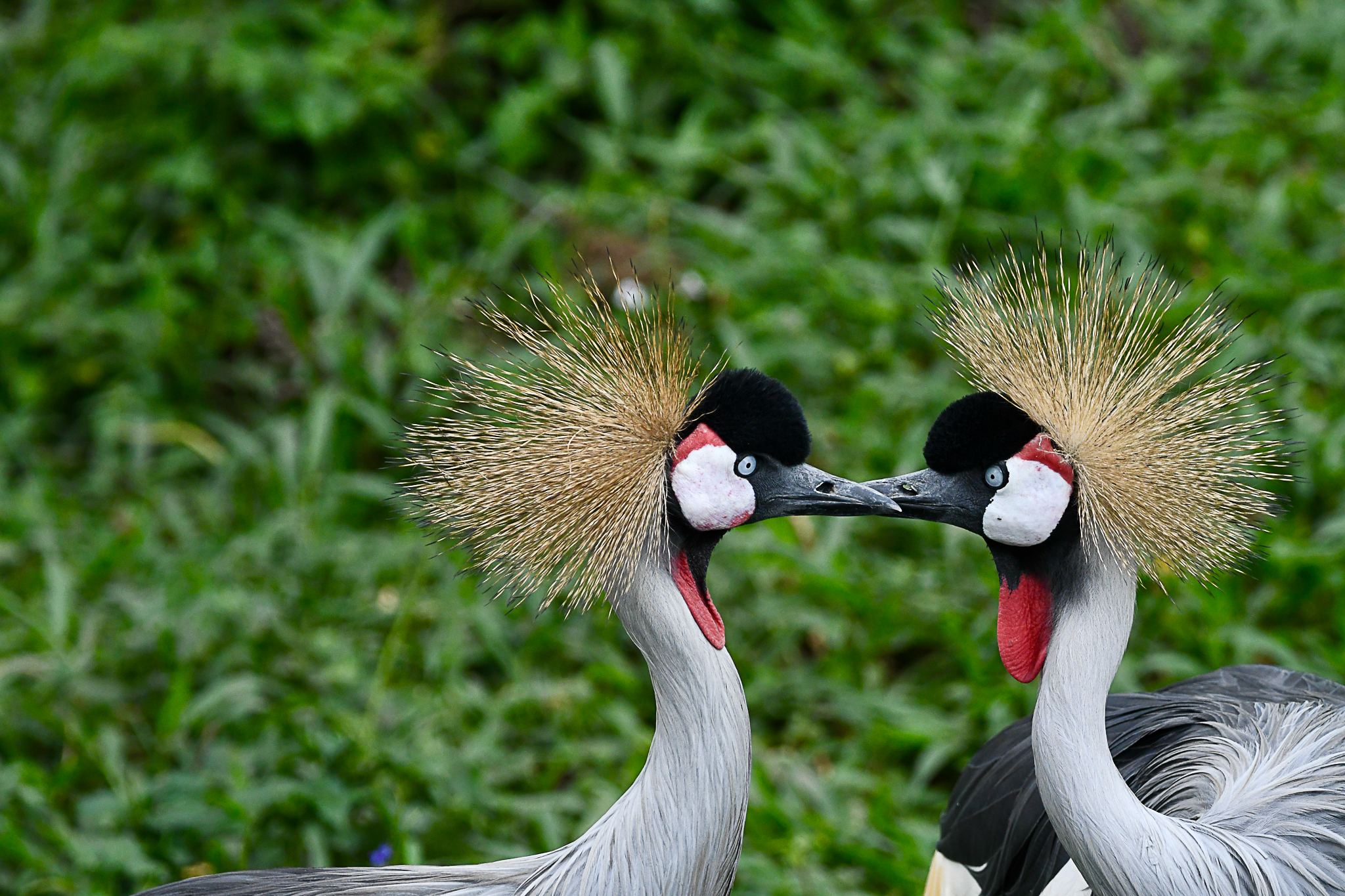
As grey crowned crane populations continue to recover, cranes increasingly feed in nearby agricultural fields, sometimes damaging or consuming crops. Crop losses can affect food security and household income for local farmers. Without safe methods to protect crops, cranes can be poisoned or harmed in retaliation. To address this challenge, DZCA and RWCA received a collaborative grant from Colorado State University’s Center for Collaborative Conservation to test various deterrents that aim to be affordable, practical, and effective for farmers hoping to prevent the birds from disturbing crops This research ultimately aims to support coexistence by protecting both farmers’ livelihoods and crane populations.
The deterrent research will take place in Rwanda at Ramsar-protected Rugezi Marsh.
The first phase, already completed by RWCA, focused on farmer interviews, focus groups, and a review of deterrent methods
used to prevent birds from foraging on crops worldwide. Our research design compares farmer plots with deterrents to those without, and approvals were completed in May, along with the creation of a demonstration plot. The experimental phase is scheduled to launch around September when the next rains come to Rwanda. Local farmers have been eager to participate, and RWCA teams on the ground completed the marking out and GPS plotting of the future experimental plots. Researchers from both organizations, Community Rangers, and Champions will track crane visits, crop damage, bird behavior, and farmer feedback to determine long-term viable solutions.
Through shared learning, strong partnerships, and community-driven solutions, DZCA and RWCA continue to demonstrate how collaborative conservation can benefit both people and wildlife. We’re honored to support the advancement of this work through innovative scientific discovery, strong community partnerships, and direct action to help save wildlife.From expanding crane monitoring coverage and improving chick survival to launching new research and strengthening relationships, this partnership continues to grow and thrive, and we can’t wait to see what is next!