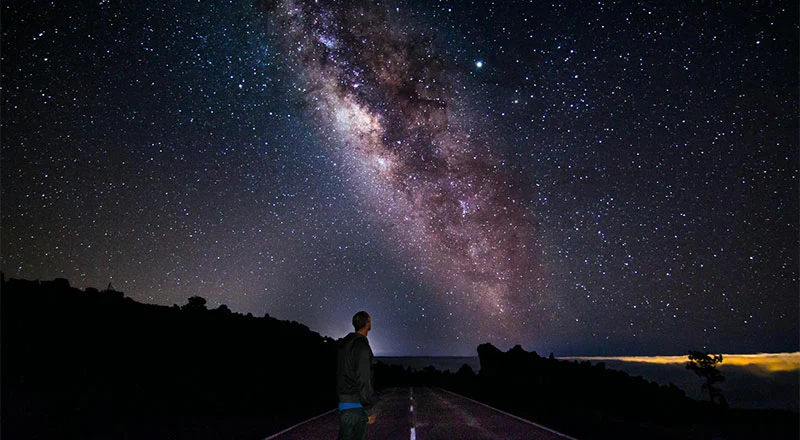
Stargazing is the perfect excuse to stay up late at night
From planet close-ups to meteor showers worth staying up for, 2026 is packed with sky-high moments. Here’s everything you’ll want to look up for stargazing this year.
Also read: Where to go stargazing in the UAE
Blue Micromoon
When: May 31
A rare lunar double act. This full moon is both a blue moon (the second full moon in a month) and a micromoon, meaning it will appear slightly smaller and dimmer than usual. Subtle, yes – but still a special one for moon-watchers.
Perseids Meteor Shower
When: August 12 to 13
One of the most popular meteor showers of the year, the Perseids are always worth staying up for. At peak times, you could see up to 150 meteors an hour, making this one of the best sky shows of 2026.
Top tip: late night or pre-dawn hours are best.
Best time to see Saturn’s rings


Image: Unsplash Website
When: October 4
If you’re a serious star chaser with a telescope, this one’s for you. Saturn is at its closest point to Earth, meaning its iconic rings will appear bigger and brighter than usual. A must-see moment for planet spotters.
Orionids Meteor Shower
When: October 21 to 22
Named after the constellation Orion, this meteor shower delivers bright, fast meteors that often leave glowing trails behind them. Head out after midnight and keep your eyes peeled for some seriously impressive streaks of light.
Leonids Meteor Shower
When: November 17 to 18
Known for their speed and brightness, the Leonids can put on a dramatic display. While not always the most intense shower, when they peak, they really peak, so it’s well worth finding a dark spot and settling in for the night.
Beaver Supermoon

Image: Unsplash Website
When: November 24
The Beaver Moon gets its name from the time of year when beavers traditionally prepared for winter. This year, it arrives as a supermoon, meaning it will appear larger and brighter than normal, perfect for moonrise photos and evening desert walks.
Geminids Meteor Shower
When: December 13 to 14
Arguably the best meteor shower of the year, the Geminids can deliver up to 120 colourful meteors an hour. Expect flashes of green, yellow and even blue as they streak across the sky.
Wrap up warm, find a dark spot and enjoy the show.
Cold Moon
When: December 24
Rounding off the year, the Cold Moon rises on Christmas Eve. Its name comes from the winter chill settling in and in Dubai, that means ideal weather for an outdoor stargazing session. A festive and fitting finale to 2026’s celestial calendar
> Sign up for FREE to get exclusive updates that you are interested in