


Listen to this article
Estimated 4 minutes
The audio version of this article is generated by AI-based technology. Mispronunciations can occur. We are working with our partners to continually review and improve the results.
The brief shutdown of El Paso airport by the Federal Aviation Administration because of safety concerns posed by the use of a military laser-based anti-drone system was unacceptable, said the top Democrat on the Senate’s commerce committee said on Thursday.
The FAA moved late Tuesday to shut down the Texas airport for 10 days after the Pentagon vowed to move ahead with deploying the anti-drone system without completing a safety analysis, only to reverse course just eight hours later to lift the shutdown.
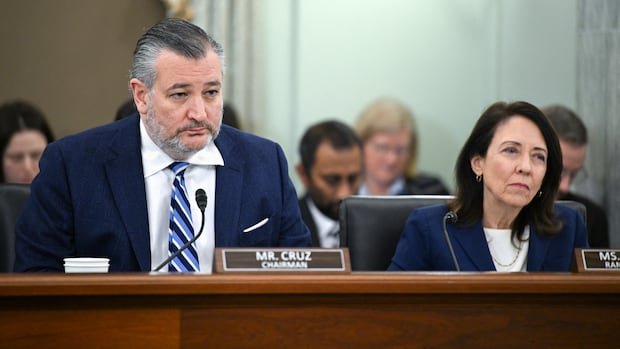
“We have a real problem of co-ordination between the [Department of Defence] and FAA, so we need to resolve that,” Sen. Maria Cantwell of Washington said at a hearing.
The Pentagon allowed U.S. Customs and Border Protection to use an anti-drone laser in the area, two people familiar with the situation said to the Associated Press on Wednesday, speaking on the condition of anonymity to discuss sensitive details.

The sudden closure of the nation’s 71st-busiest airport, in a city that borders Mexico’s Juarez, stranded air travellers and disrupted medical evacuation flights. The FAA initially said the closure of the airport, which handles four million passengers yearly, was for “special security reasons.” The 10-day shutdown would have been an unprecedented action involving a single airport.
Government and airline officials, speaking on condition of anonymity, said the FAA closed the airspace due to concerns that an Army laser-based counter-drone system could pose risks to air traffic. The two agencies had planned to discuss the issue on Feb. 20, but the Army opted to proceed without FAA approval, sources said, which prompted the FAA to halt flights.
Sen. Ted Cruz, Republican chair of the commerce committee, said he wants a classified briefing to understand what happened.
Original explanation questioned
U.S. Transportation Secretary Sean Duffy, who oversees the FAA, said the closure had been prompted by a drone incursion by a Mexican drug cartel. However, a drone sighting near an airport would typically lead to a brief pause on traffic, not an extended closure.
Republican Rep. Tony Gonzales, whose congressional district covers an area that stretches about 800 miles (1,300 kilometres) along Texas’s border with Mexico, said cartel drone sightings are common.
“For any of us who live and work along the border, daily drone incursions by criminal organizations is everyday life for us. It’s a Wednesday for us,” Gonzales said.
Steven Willoughby, deputy director of the counter-drone program at the Department of Homeland Security, told Congress in July that cartels are using drones nearly every day to transport drugs across the border and surveil Border Patrol agents.
More than 27,000 drones were detected within 500 metres of the southern border in the last six months of 2024, he said, mostly at night.
Mexican officials led by President Claudia Sheinbaum also expressed doubt about Duffy’s claim on Wednesday.
It was another incident of apparent confusion and communication between the FAA and the Pentagon, after an investigation into last year’s midair collision between a commercial jet and an Army helicopter near Washington, D.C., which killed 67 people.
After that deadly incident, the National Transportation Safety Board said it learned the FAA and the Army had failed to share safety data with each other about previous close calls around Reagan National Airport in D.C.
Democratic Sen. Tammy Duckworth of Illinois, a former Army helicopter pilot who serves on committees focused on aviation and the armed services, said the issue on Wednesday was the latest example of “the lack of co-ordination that’s endemic in this Trump administration.”
In the eight-hour El Paso hold, seven arrivals and seven departures were cancelled. Some medical evacuation flights also had to be rerouted.
