

Published On 30 Jun 2026
Johannesburg, South Africa – On the outskirts of southern Johannesburg, residents gathered on Sunday in the informal settlement of Tembelihle ahead of a June 30 deadline that anti-immigrant activists have set for foreign nationals to leave South Africa
The meeting was organised by the Tembelihle Crisis Committee, a grassroots movement that has previously opposed xenophobic violence. Its leaders said the aim was to discourage attacks on foreign nationals as tensions rose across the country
About 300 people attended, including Malawian migrants worried about what the coming days might bring
The meeting exposed sharp divisions. Some speakers urged residents not to target foreign nationals, while others blamed migrants for crime and social problems. Calls for foreigners to leave South Africa were met with applause and ululations from sections of the crowd
It was unclear whether the attack was opportunistic crime or linked to anti-immigrant sentiment
Luke Sinwell, a professor at the University of Johannesburg, told Al Jazeera that efforts to discourage violence were overshadowed by division inside the meeting
Before the gathering, organisers had discussed how to persuade residents that violence was not the answer, he said. But during the meeting, competing views emerged over whether undocumented migrants should remain in the country
Advertisement
After the meeting, he learned of the stabbing
“The way local residents described the incident was interesting,” Sinwell said. “They saw it as opportunistic criminality rather than a direct act of organised xenophobic violence. However, these things are interconnected.”
Fear and rumours
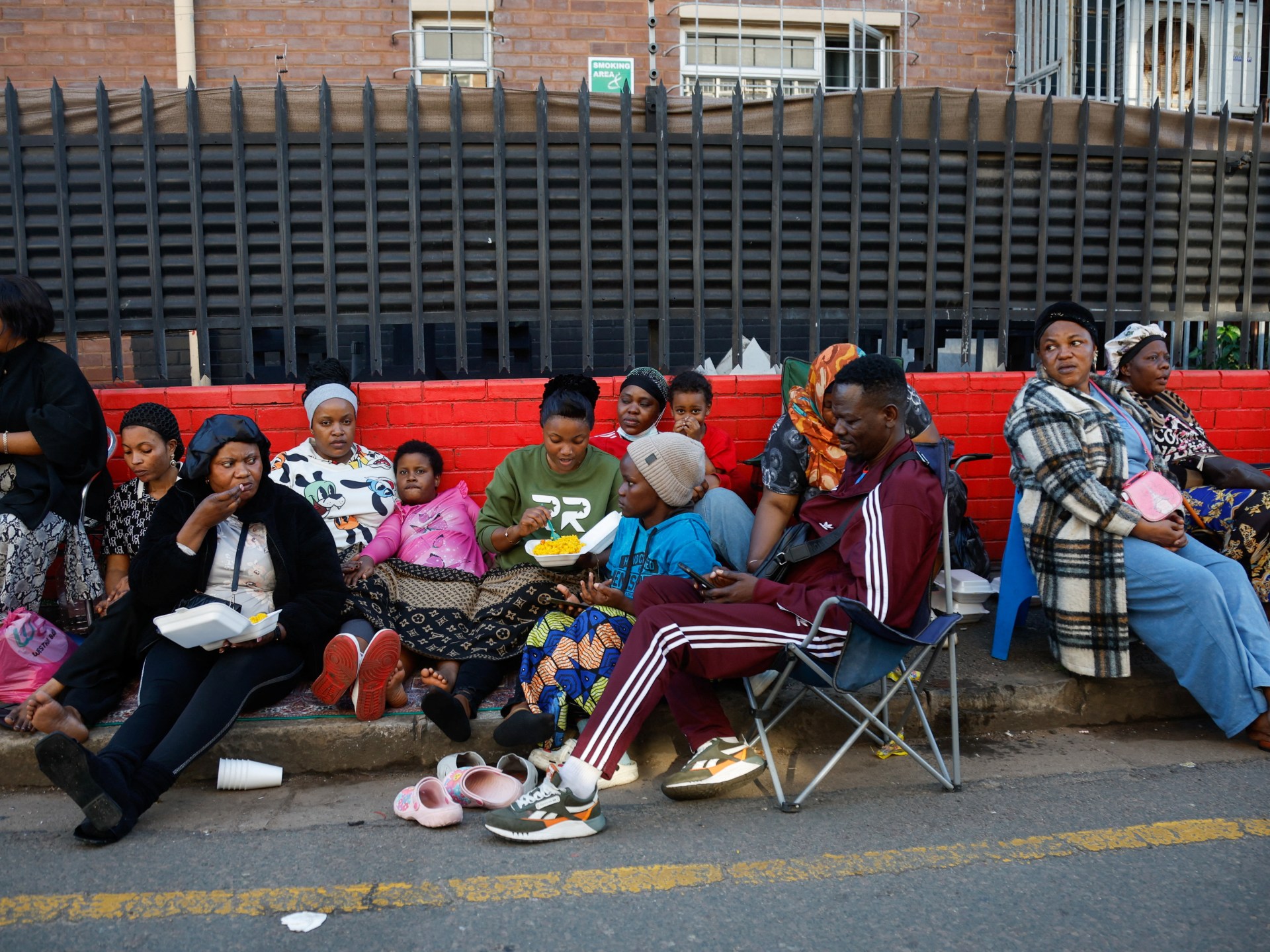
For Malawians gathered outside their country’s consulate in Johannesburg, the debate over whether incidents are criminal or xenophobic feels distant
Many believe they are being targeted
The June 30 deadline has become a
An unnamed Malawian man told Al Jazeera that he had to return home or risk harm to his family. “I have to get home before June 30, or they will kill my family,” he said, referring to residents who, he said, had warned migrants to leave before Tuesday
He has been sleeping outside the consulate while searching for transport. With less than 48 hours remaining, he has no certainty about what will happen next
The unofficial deadline spread through social media posts and pamphlets that appeared to mimic official government notices. The flyers falsely claimed that undocumented foreign nationals had until June 30 to leave South Africa or face arrest, detention and deportation
The South African government dismissed the notices as fake
James Macki, a Malawian barber in Johannesburg, told Al Jazeera he first heard about the deadline from neighbours
“They said the blood will flow if we don’t go by June 30,” he said
He is among thousands hoping to return home but still waiting for assistance. “If we don’t get out, they are not going to stop until we all die,” he said
Mobilisation and tension
One of the groups behind anti-immigration mobilisation, March and March, says its campaign targets government failure over undocumented immigration rather than foreign nationals
However, incidents linked to similar mobilisation have raised concern among authorities
In Mossel Bay, mobilisation was followed by the deaths of Mozambican nationals. In Pietermaritzburg, a Malawian man was beaten to death following public incitement linked to anti-immigrant activism
On Sunday, acting Police Minister Firoz Cachalia told Al Jazeera that law enforcement agencies were on alert, with police leave cancelled and additional re
Protests were already taking place in parts of Johannesburg and Durban. In Soweto, residents marched, blaming undocumented immigration for government failures and later handed over a memorandum at Moroka Police Station calling for stricter border controls
Advertisement
A Soweto protester told Al Jazeera: “The state is worried more about illegal immigrants than us.”
March and March founder Jacinta Ngobese-Zuma told local media the demonstrations were directed at government policy and rejected claims of xenophobia
“You can’t label us as xenophobic for standing up for what’s right,” she said
But for migrants sleeping outside consulates and shelters, the line between <a href="https://absafricatv.com/book-review-playing-with-fire-parties-and-political-violence-in-kenya-and-india-2/” title=”Book Review – Playing with fire: Parties and political violence in Kenya and India”>political messaging and personal threat has become increasingly blurred
State response and uncertainty
Minister Mmamoloko Kubayi, who chairs the Inter-Ministerial Committee on Migration, told Al Jazeera that rhetoric had moderated over the weekend following government warnings
She said organisers had stressed that marches must remain peaceful and noted concerns that pamphlets were being circulated without their knowledge
“There is no single structure that says, ‘This is what we are doing,’” she said
Statistics South Africa estimates that about 2.4 million documented and undocumented migrants live in the country
Kubayi said government was focused on maintaining order while assisting migrants who wished to leave, but added that no refugee or transit camps would be created
A fear that remains
For Sinwell, the events unfolding around the June 30 deadline reflect how frustration over unemployment, crime and state failure can be redirected towards migrants
“When communities begin dividing people into those who belong and those who do not, that can become extremely dangerous,” he said

He added that research on Operation Dudula showed how legitimate grievances can be channelled towards migrants rather than institutions, a process he described as the weaponisation of grassroots democracy
President Cyril Ramaphosa said the government welcomed assurances that planned protests would remain peaceful, warning that violence would not be justified under any circumstances
But in southern Johannesburg on Monday, less than 24 hours before the deadline, fear remained on the ground
“If they don’t go, we will make them go,” one resident said

