

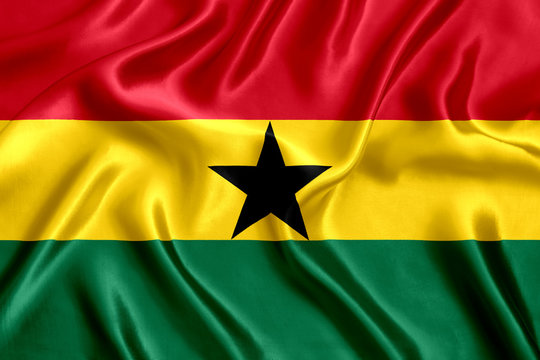
A GNA feature by Samuel Osei-Frempong
Accra, July 03, GNA – On July 1, 1960, Ghana became a republic
It cut its last constitutional tie to the British Crown and became a complete independent nation
Sixty-six years later, the country is no longer asking if it can govern itself. It is asking if self-government can deliver
From the Kwame Nkrumah era to the Fourth Republic, Ghana’s story is one of political breakthroughs and heartbreaks, economic swings, and social transformation — alongside persistent gaps. As the Republic turns 66, the ledger is mixed
Independence, Republic, and the Fourth Republic
Ghana gained independence from Britain on March 6, 1957 as a Dominion, with Queen Elizabeth II as Head of State
On July 1, 1960, it became a republic with Dr. Kwame Nkrumah as President and Head of State
“We are no longer a colony, we are no longer a dominion. We are an independent, sovereign. Republic.” He said
Nkrumah’s government pursued rapid industrialization, Pan-Africanism, and state-led development. The First Republic fell to a coup in 1966
What followed were alternating periods of military and civilian rule
The current Fourth Republic began on January. 7, 1993, under the 1992 Constitution, given Ghana the political stability it has longed for the years
It has produced eight peaceful transfers of power between the NDC and NPP, the longest unbroken civilian period in Ghana’s history. Accra now hosts the AfCFTA Secretariat, a attractive place to interact and do business because of relative peace and political stability
That is the foundation on which today’s gains and challenges rest
Political gains and challenges
Ghana has achieved democratic consolidation in the fourth republic. Elections are competitive, results are accepted, and courts adjudicate disputes. Civil society and a free media remain active
Institutional routines are now established. The Electoral Commission, Commission of Human Rights and Administrative Justice(CHRAJ), Auditor-General, and Parliamentary committees function as regular features
Re Assemblies and local committees is expanding service entry points and empowering local economically to chase their dreams
Ghana carries diplomatic weight. Hosting AfCFTA and active ECOWAS engagement give the country influence beyond its size
Challenges
Winner-takes-all politics persists, creating a charged political atmosphere anytime political change is about to take place
Each change of government brings mass replacement of Chief Executive Officers of public institutions, Metropolitan Municipal and District Chief Executives, and boards, resulting in Institutional memory loss and sometimes projects are stalled
A trust deficit remains. Perceptions of corruption in procurement, land, and galamsey weaken state legitimacy,threatening the very core of the Ghanaian society
The party system is constrained. The NDC-NPP duopoly dominates with narrow ideological distance, and barriers to entry for alternatives remain high
The security context is tightening. Sahel instability is increasing pressure on northern borders and defense spending
Economic Gains and Challenges
Gains
Ghana has a strong rerter, and an oil and gas producer. New interest in green minerals like lithium is rising
Infrastructure and digitalization have expanded. Roads, ports, and energy capacity have grown. Ghana Card, digital addressing, and mobile money penetration have widened financial inclusion
Renewable models are emerging. Solar energy farms and being done by both government and individuals to create a relatively stable energy base for both domestic and industrial consumption
Challenges
Debt and cost of living weigh heavily. High debt service, cedi depreciation, and inflation have squeezed households, while import dependence keeps foreign exchange vulnerable. Over the past two years, Ghanaians have witnessed the recovery of the macro economic measurables but prices of food and rent continue to bite
Structural reliance continues. Growth is still driven by raw exports with limited value addition. Ghana exports more cocoa beans than chocolate, more raw gold than jewellery
Jobs gap remains. Youth and graduate unemployment are high, and Small and Medium Enterprises scale-up and industrialization have lagged demographic pressure
Climate and environment pressures are rising. Galamsey continues to degrade water and farmland, while erratic rainfall and Accra flooding disrupt livelihoods
Social gains and challenges
Education access has widened. Free SHS expanded senior high enrolment, and literacy and enrolment rates have risen over decades
Health coverage has broadened. National Heatth Insurance Scheme has improved access, and maternal and child health indicators are better than previous decades
Water and sanitation are improving. Community projects are reducing time spent collecting water, especially for women and girls
Demography is an asset to Ghana. With a median age of about 21, Ghana has a young, mobile population driving fintech, creative, and tech sectors
Challenges
Quality gaps persist. Learning outcomes in basic and SHS remain weak, and TVET and tertiary alignment with the labour market is limited
Health delivery is uneven. Gaps persist in primary care, medicines, and staffing, especially outside Accra
Development is uneven. Greater Accra leads in infrastructure, while many rural and northern communities still lag in water, roads, and electricity reliability
Urban pressure is intensifying. Rapid urbanization is straining housing, transport, and sanitation in Accra and other cities
The Republican Balance Sheet at 66
What has changed since 1960: Ghana moved from colonial rule to a republic, then to a stable multi-party system. Access to school, health, and water is wider. A young population is creating new economic energy
What has not changed enough: The economy remains exposed to commodity prices and FX shocks. Politics is still shaped by patronage cycles. Service quality and regional equity are unfinished
OUTLOOK TO 2030Two paths are visible
Path One — Value and Systems: If Ghana accelerates industrialization, expands TVET, sustains local infrastructure, and strengthens accountability, it can become a reference for democracy that delivers. AfCFTA, green minerals, and digital public goods would be the anchors
Path Two — Strain: If debt, inflation, and service gaps persist, political volatility will rise. Turnout may fall and protest politics may increase, even without democratic breakdown
For many Ghanaians, 66 years is a moment to feel and see progress and to demand more
The Republic was necessary to finish decolonization. The next task is to make republican status felt in everyday life.GNAWritten and Edited by Samuel Osei-Frempong

