

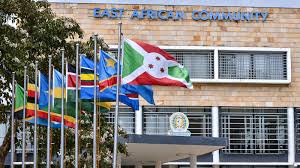
East African Community’s expansion has triggered financial troubles: Why solutions come with risks
East African Community’s expansion has triggered financial troubles: Why solutions come with risks
Read this story aloud
Listen to the clean text version of this article
Ready
1 min listen
Audio reading is not supported on this browser.
Each of the eight partner states is expected to contribute approximately US$7 million to fund the bloc’s operations
Nicodemus Minde, United States International University
The East African Community is one of Africa’s oldest regional economic organisations. Its birth in 1967 was the culmination of decades of economic ties forged in the colonial era between Kenya, Uganda and Tanzania. It’s no surprise that the EAC is also the most deeply integrated regional entity.
In its heyday between 1967 and 1977, the bloc shared a common currency, jointly operated a development bank and administered its transport infrastructure as one. There was a common education policy with a single syllabus and examining body, as well as the University of East Africa with specialised colleges in the three countries.
More To Read
- Eastern Africa secures Sh207 billion to expand cross-border electricity trade
- Uganda under fire for blocking Martha Karua as rights group warns of cross-border repression
- Eastern Africa exports grew 14.5 per cent in 2025 – UN Economic Commission
- Former CJ Maraga condemns Martha Karua’s detention and deportation in Uganda, calls it rule of law violation
- East African Community records Sh6.11 trillion in trade, driven by export growth
- Agroprocessing, fintech and blue economy, East Africa’s next frontiers of growth – experts
Political friction and conflicting priorities, among other factors, led to its collapse in 1977, but it was revived in 1999. Citizens within the bloc currently benefit from free movement of goods, services, labour and capital, along with the rights of establishment and residence. Unmet objectives include the return of a common currency and a political federation.
Meanwhile, the bloc has grown from three to eight – Rwanda and Burundi joined in 2007; South Sudan in 2016, the DR Congo in 2022 and Somalia in 2023. The territory covers stretches from the Indian Ocean to the Atlantic and brings together over 331 million people and a combined GDP of US$313 billion as of 2025.
However, this rapid expansion has triggered financial difficulties, putting the economic integration agenda at risk. While partner states are expected to contribute to fund the bloc’s operations, only Kenya, Tanzania, and Uganda regularly meet their quota. The budget shortfall has led to massive staff layoffs and a freeze on new recruitment.
Latest Stories
- Sudan’s people subject to ‘relentless’ drone strikes in El Obeid
- Pope Leo XIV shines spotlight on Mediterranean migration crisis
- Study finds intermittent fasting helps maintain weight loss for at least a year
- Busia school named among global finalists for 2026 education prize
So serious is the crisis that it was top of the agenda at the annual summit of the heads of state in March 2026. The leaders stepped up to reform the funding model and signalled that the bloc was ready to sanction or sideline countries that compromise funding.
I have studied regionalism and integration in eastern Africa, conducted research on the EAC and published on Tanzanian citizens’ sovereignty, popular participation, and the EAC integration and democratisation.
It is my view that the radical proposals will compel non-paying partner states to either shape up or ship out. These reforms will salvage the East African Community but could potentially trigger mistrust and a perception of unequal benefits in the long run.
The cost of rapid expansion
Each of the eight partner states is expected to contribute approximately US$7 million to fund the bloc’s operations. In addition, the bloc relies on development partners to fund some activities.
In recent years, six of the eight member states have missed their budget contributions. This resulted in a US$90 million budget shortfall. Regional institutions affected by these include:
The two have failed to perform their core functions due to resource constraints. The regional assembly, on occasion, has been forced to skip sittings. This has an effect on critical debates and the enactment of new laws to foster economic integration. The regional court grapples with case backlogs.
In November 2023, the EAC Summit adopted a new financing model. It shared 65 per cent of the budget equally among partner states and the rest based on each country’s financial capacity. This capacity is assessed using the World Bank’s average nominal GDP per capita metric for the previous five years.
But only Kenya, Tanzania, and Uganda – and occasionally Rwanda – have remitted their contributions on time. Domestic conflicts in South Sudan, the DRC and Somalia may have played a role in the slow contributions of these newer EAC members. In the 2024-2025 financial year, Burundi paid only 19 per cent of its expected contribution, the DRC paid 14%, Somalia paid around half, and South Sudan paid a mere 7 per cent.
Overall compliance stood at roughly 58 per cent, leaving the bloc with arrears exceeding US$55 million. In the 2025-2026 cycle, the picture was even bleaker: compliance slipped to just 36.6 per cent, while outstanding obligations climbed to about US$90 million.
The pattern also hints at something deeper: political ambivalence among non-paying members, and uneasiness among some partner states about the benefits of belonging to the bloc. Despite the funding challenges, inter-regional trade in the EAC has been on the rise due to increased trade facilitation under the customs union and common markets protocols. The EAC has also made advances in peace and security. In 2022, for example, through the Nairobi Process, the EAC facilitated peace talks and deployed the East African Community Regional Force in DRC.
Beyond funding, personal and political differences between the DRC’s President Felix Tshisekedi and Rwanda’s Paul Kagame have contributed to tensions within the bloc.
What did the leaders decide at the March summit?
Kenya, Uganda and Tanzania, in a rather surprising but decisive move, pushed for a new financing formula, replacing the model adopted in 2023.
The highlights of the new financing formula include:
A quorum for the meeting of all organs and institutions of the community will be two-thirds of all partner states. Previously, all states had to participate in passing crucial resolutions, and this was frustrated by absenteeism, especially by non-paying countries.
Nominations for the key institutional positions will depend on the sponsor state’s ratification of all community legal instruments, domestication of the treaty, and full implementation of the roadmap for the partner state’s integration.
What’s next?
These are radical proposals, with consequences. Take the example of the decision to appoint Stephen Mbundi of Tanzania as the new secretary general. Based on the rotational principles of the EAC, South Sudan was poised to take over the position from Kenya’s Veronica Nduva. But South Sudan is a defaulter.
Other Topics To Read
This decision signalled the bloc’s commitment to financial compliance and commitment to the spirit of regional integration. Uganda’s president, Yoweri Museveni, also took over the chairman’s position, bypassing Somalia and the DRC, which were poised to lead the community for a year. Somalia and the DRC have been behind in their annual payments.
The proposals, which appear to have been orchestrated by the founding members, suggest a pragmatic move to salvage the EAC.
The Conversation
Nicodemus Minde, Researcher, United States International University
This article is republished from The Conversation under a Creative Commons license. Read the original article.
Top Stories Today
- Study finds intermittent fasting helps maintain weight loss for at least a year
- Sudan’s people subject to ‘relentless’ drone strikes in El Obeid
- Pope Leo XIV shines spotlight on Mediterranean migration crisis
- Busia school named among global finalists for 2026 education prize
- DP Kindiki hails cooperatives as key to Kenya’s economic transformation
- SHA seeks Treasury funds to clear NHIF claims above Sh10 million
`;
}
return “;
}
function commentActionsMarkup(comment, canComment) {
const likeLabel = comment.liked_by_me ? ‘Liked’ : ‘Like’;
const likeCount = Number(comment.like_count || 0) > 0
? “
: ”;
const likeButton = canComment && comment.status === ‘approved’
? “
: “;
const replyButton = canComment && comment.status === ‘approved’
? “
: ”;
return `
`;
}
function commentMarkup(comment, canComment, isReply = false) {
const pendingBadge = comment.status && comment.status !== ‘approved’
? “
: ”;
const edited = comment.is_edited
? “
: ”;
const repliesHtml = Array.isArray(comment.replies) && comment.replies.length
? `
`
: “;
return `
`;
}
function replyFormMarkup(commentId) {
return `
`;
}
function setNotice(widget, message, type = ‘info’) {
const notice = widget.querySelector(‘[data-role=”notice”]’);
if (!notice) return;
if (!message) {
notice.hidden = true;
notice.textContent = ”;
notice.classList.remove(‘is-error’);
return;
}
notice.hidden = false;
notice.textContent = message;
notice.classList.toggle(‘is-error’, type === ‘error’);
}
function setCount(widget, total) {
const count = widget.querySelector(‘[data-role=”count”]’);
if (!count) return;
const num = Number(total || 0);
count.textContent = num === 1 ? ‘1 comment’ : `${num} comments`;
}
function openReplyBox(widget, commentId) {
widget.querySelectorAll(‘[data-role=”reply-box”]’).forEach(box => {
box.hidden = true;
box.innerHTML = ”;
});
const targetItem = widget.querySelector(`.ev-comments__item[data-comment-id=”${commentId}”]`);
if (!targetItem) return;
const replyBox = targetItem.querySelector(‘[data-role=”reply-box”]’);
if (!replyBox) return;
replyBox.hidden = false;
replyBox.innerHTML = replyFormMarkup(commentId);
const textarea = replyBox.querySelector(‘textarea’);
if (textarea) textarea.focus();
}
function closeReplyBox(container) {
if (!container) return;
container.hidden = true;
container.innerHTML = ”;
}
async function initCommentsWidget(widget) {
const state = {
articleId: Number(widget.dataset.articleId),
loadUrl: widget.dataset.loadUrl,
storeUrl: widget.dataset.storeUrl,
commentsBaseUrl: widget.dataset.commentsBaseUrl,
canComment: widget.dataset.canComment === ‘1’,
page: 1,
perPage: 10,
sort: ‘newest’,
total: 0,
hasMore: false,
busy: false
};
const list = widget.querySelector(‘[data-role=”list”]’);
const loading = widget.querySelector(‘[data-role=”loading”]’);
const empty = widget.querySelector(‘[data-role=”empty”]’);
const loadMoreBtn = widget.querySelector(‘[data-role=”load-more”]’);
const sortSelect = widget.querySelector(‘[data-role=”sort”]’);
const composerForm = widget.querySelector(‘[data-role=”composer-form”]’);
async function loadComments(reset = true) {
if (state.busy) return;
state.busy = true;
setNotice(widget, ”);
loading.hidden = false;
if (reset) {
state.page = 1;
list.innerHTML = ”;
empty.hidden = true;
}
try {
const url = new URL(state.loadUrl, window.location.origin);
url.searchParams.set(‘page’, state.page);
url.searchParams.set(‘per_page’, state.perPage);
url.searchParams.set(‘sort’, state.sort);
const response = await requestJson(url.toString(), {
method: ‘GET’,
headers: {
‘Accept’: ‘application/json’,
‘X-Requested-With’: ‘XMLHttpRequest’
}
});
const items = Array.isArray(response.data) ? response.data : [];
const meta = response.meta || {};
state.total = Number(meta.total || 0);
state.hasMore = !!meta.has_more;
setCount(widget, state.total);
if (reset) {
list.innerHTML = ”;
}
if (!items.length && reset) {
empty.hidden = false;
} else {
empty.hidden = true;
list.insertAdjacentHTML(
‘beforeend’,
items.map(item => commentMarkup(item, state.canComment, false)).join(”)
);
}
loadMoreBtn.hidden = !state.hasMore;
} catch (error) {
if (!list.children.length) {
empty.hidden = false;
empty.textContent = ‘Unable to load comments right now.’;
}
setNotice(widget, error.message || ‘Unable to load comments.’, ‘error’);
} finally {
loading.hidden = true;
state.busy = false;
}
}
async function submitTopLevelComment(form) {
const textarea = form.querySelector(‘textarea[name=”content”]’);
const button = form.querySelector(‘[data-role=”submit-comment”]’);
if (!textarea) return;
const content = textarea.value.trim();
if (!content) return;
const originalText = button ? button.textContent : ”;
try {
if (button) {
button.disabled = true;
button.textContent = ‘Posting…’;
}
const response = await requestJson(state.storeUrl, {
method: ‘POST’,
headers: buildJsonHeaders(),
body: JSON.stringify({
article_id: state.articleId,
content: content,
source_url: window.location.href
})
});
textarea.value = ”;
if (response?.data) {
list.insertAdjacentHTML(
‘afterbegin’,
commentMarkup(response.data, state.canComment, false)
);
empty.hidden = true;
if ((response.data.status || ”) === ‘approved’) {
state.total += 1;
setCount(widget, state.total);
}
}
setNotice(widget, response.message || ‘Comment posted successfully.’);
} catch (error) {
setNotice(widget, error.message || ‘Unable to post comment.’, ‘error’);
} finally {
if (button) {
button.disabled = false;
button.textContent = originalText || ‘Post comment’;
}
}
}
async function submitReply(form) {
const commentId = Number(form.dataset.commentId || 0);
const textarea = form.querySelector(‘textarea[name=”content”]’);
const button = form.querySelector(‘.ev-comments__reply-submit’);
if (!commentId || !textarea) return;
const content = textarea.value.trim();
if (!content) return;
const originalText = button ? button.textContent : ”;
try {
if (button) {
button.disabled = true;
button.textContent = ‘Posting…’;
}
const response = await requestJson(`${state.commentsBaseUrl}/${commentId}/reply`, {
method: ‘POST’,
headers: buildJsonHeaders(),
body: JSON.stringify({
article_id: state.articleId,
content: content,
source_url: window.location.href
})
});
if (response?.data) {
const parentItem = widget.querySelector(`.ev-comments__item[data-comment-id=”${commentId}”]`);
if (parentItem) {
const repliesWrap = parentItem.querySelector(‘.ev-comments__replies’);
if (repliesWrap) {
repliesWrap.insertAdjacentHTML(
‘beforeend’,
commentMarkup(response.data, state.canComment, true)
);
}
}
}
closeReplyBox(form.closest(‘[data-role=”reply-box”]’));
setNotice(widget, response.message || ‘Reply posted successfully.’);
} catch (error) {
setNotice(widget, error.message || ‘Unable to post reply.’, ‘error’);
} finally {
if (button) {
button.disabled = false;
button.textContent = originalText || ‘Post reply’;
}
}
}
async function toggleLike(button) {
const commentId = Number(button.dataset.commentId || 0);
if (!commentId) return;
const originalHtml = button.innerHTML;
try {
button.disabled = true;
button.innerHTML = ‘Working…’;
const response = await requestJson(`${state.commentsBaseUrl}/${commentId}/like`, {
method: ‘POST’,
headers: buildJsonHeaders(),
body: JSON.stringify({})
});
const liked = !!response?.data?.liked;
const likeCount = Number(response?.data?.like_count || 0);
button.classList.toggle(‘is-liked’, liked);
button.innerHTML = `${liked ? ‘Liked’ : ‘Like’} ${likeCount > 0 ? “ : ”}`;
} catch (error) {
button.innerHTML = originalHtml;
setNotice(widget, error.message || ‘Unable to update like.’, ‘error’);
} finally {
button.disabled = false;
}
}
if (composerForm) {
composerForm.addEventListener(‘submit’, function (e) {
e.preventDefault();
submitTopLevelComment(composerForm);
});
}
if (sortSelect) {
sortSelect.addEventListener(‘change’, function () {
state.sort = this.value || ‘newest’;
loadComments(true);
});
}
if (loadMoreBtn) {
loadMoreBtn.addEventListener(‘click’, function () {
if (state.busy || !state.hasMore) return;
state.page += 1;
loadComments(false);
});
}
widget.addEventListener(‘click’, function (e) {
const likeBtn = e.target.closest(‘[data-action=”toggle-like”]’);
if (likeBtn) {
e.preventDefault();
toggleLike(likeBtn);
return;
}
const replyBtn = e.target.closest(‘[data-action=”toggle-reply”]’);
if (replyBtn) {
e.preventDefault();
openReplyBox(widget, Number(replyBtn.dataset.commentId || 0));
return;
}
const cancelReplyBtn = e.target.closest(‘[data-action=”cancel-reply”]’);
if (cancelReplyBtn) {
e.preventDefault();
closeReplyBox(cancelReplyBtn.closest(‘[data-role=”reply-box”]’));
}
});
widget.addEventListener(‘submit’, function (e) {
const replyForm = e.target.closest(‘.ev-comments__reply-form’);
if (replyForm) {
e.preventDefault();
submitReply(replyForm);
}
});
loadComments(true);
}
document.addEventListener(‘DOMContentLoaded’, function () {
document.querySelectorAll(‘.ev-comments’).forEach(initCommentsWidget);
});
})();
Trending

Sudan’s people subject to ‘relentless’ drone strikes in El ObeidSudan
|UN News
|24 minutes ago
CS Mbadi defends government’s Safaricom share sale as lawful and transparentNews
|Rachael Mutabasi
|6 hours ago
Spain end 16-year World Cup knockout wait with commanding victory over AustriaNews
|Erick Kariuki
|1 day ago
UN warns of spiralling hunger crisis in northern Nigeria as over 17 million face acute food insecurityAfrica
|Bashir Mbuthia
|1 day ago
Egypt end 92-year wait to reach World Cup last 16News
|Erick Kariuki
|11 hours ago
Gor Mahia set for CECAFA Kagame Cup return after league title triumphSports
|Erick Kariuki
|23 hours ago
60 more Kenyans arrive home from South Africa as government steps up evacuationsNews
|Mary Wambui
|7 hours ago
CAF opens bidding for 2028, 2032 and 2036 AFCON tournamentsNews
|Erick Kariuki
|9 hours ago
Supreme Court rejects Arshad Sharif widow’s bid to compel prosecution, upholds Sh10 million awardNews
|Carolyne Kubwa
|1 day ago
National Youth Council elections postponed indefinitely over compliance concernsNews
|Rachael Mutabasi
|1 day ago

