

Tanzania and UNESCO are strengthening cooperation across education, science, culture and information, with Zanzibar’s heritage and sustainable tourism emerging as an early focus. Its impact will depend on whether institutional dialogue produces financing, measurable programmes, community participation and accountable implementation.
- Country:
- Tanzania
Tanzania’s renewed cooperation with UNESCO could strengthen the way international expertise supports the country’s priorities in education, science, cultural heritage, communication and information. But the value of the partnership will depend on whether closer institutional dialogue leads to funded programmes, measurable targets and visible improvements for Tanzanian institutions and communities.
The renewed focus emerged from a meeting between UNESCO Country Representative Michel Toto and Professor Hamisi Malebo, Secretary-General of Tanzania’s National Commission for UNESCO. According to a UNESCO release dated September 17, 2026, the discussions centred on improving coordination and making joint initiatives more responsive to Tanzania’s development needs.
The National Commission occupies an important position in this relationship. It connects UNESCO with the Tanzanian government and domestic stakeholders, helping translate the organisation’s international expertise into national programmes. A stronger commission could give ministries, schools, universities, researchers, cultural bodies and media institutions a clearer channel for identifying priorities and seeking technical support.
From Institutional Dialogue to Development Delivery
The cooperation covers sectors that shape Tanzania’s long-term development prospects. Education influences skills and employment, scientific capacity helps governments make evidence-based decisions, and communication systems affect access to knowledge. Cultural heritage supports national identity while also creating opportunities for tourism and creative industries.
Bringing these sectors into a coordinated framework could reduce fragmented interventions and prevent institutions from working toward overlapping or contradictory objectives. It could also help Tanzania direct external expertise toward needs identified within the country rather than allowing international programmes to determine priorities independently.
However, the meeting did not announce new financing, delivery schedules or measurable targets. It should therefore be viewed as a renewed institutional commitment rather than a completed development intervention.
For policymakers, the immediate task will be to identify a manageable set of priorities. Attempting to cover every part of UNESCO’s mandate without adequate funding and institutional capacity could weaken implementation.
Zanzibar Heritage Tests the Tourism Balance
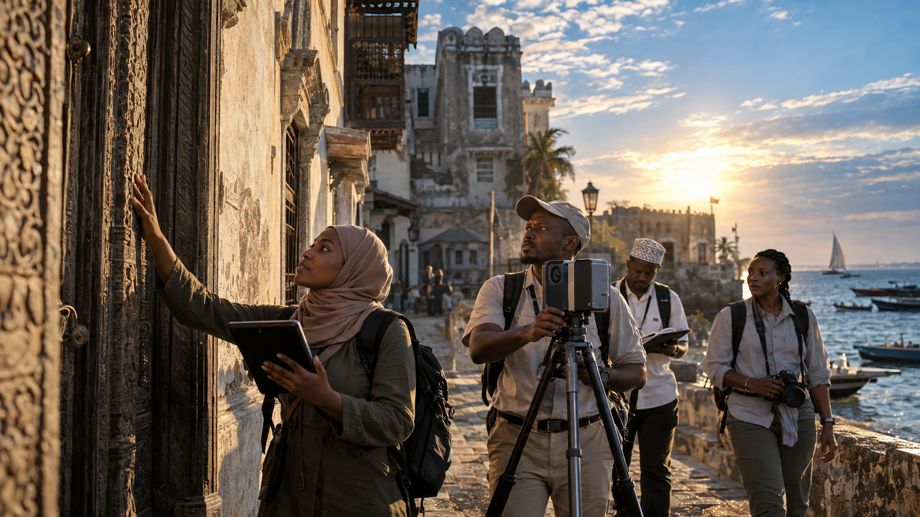
A proposed Development Partners’ Roundtable on Culture and Heritage for Sustainable Tourism in Zanzibar provides the clearest example of how the cooperation might move from dialogue to action. The roundtable could bring government institutions and development partners together to discuss heritage protection within Zanzibar’s tourism and development plans.
The initiative is potentially significant because heritage is both a cultural asset and an economic rebusinesses and employment while preserving places that carry social and historical meaning. Poorly managed tourism, however, can place pressure on historic locations, local infrastructure and surrounding communities
The policy challenge is not simply to attract more visitors. It is to ensure that tourism revenue supports conservation and creates opportunities for residents without allowing commercial development to erode the heritage on which the tourism economy depends.
No date, funding commitment, participant list, or specific project was announced for the proposed roundtable. These details will determine whether the forum becomes a practical coordination mechanism or remains a statement of intent.
Wider Implications for Tanzania’s Stakeholders
Stronger cooperation could help Tanzanian educational and scientific institutions gain access to technical knowledge, international networks and capacity-building opportunities. Cultural authorities may benefit from improved coordination around conservation, documentation and heritage management.
Development partners could gain a clearer understanding of national priorities, making it easier to avoid duplicated projects and identify areas where financing and expertise can be combined. Yet additional coordination structures can also create more meetings and reporting requirements unless they are linked to clear decisions and accountable implementing institutions.
Tourism operators, creative enterprises and technology providers may find new opportunities where cultural heritage, digital tools, education and visitor services intersect. At the same time, businesses may face stronger conservation requirements if commercial activities threaten heritage assets. Transparent regulations will be needed to balance private investment with public and community interests.
Local communities remain essential stakeholders. Projects may struggle to gain support if residents are consulted only after priorities have been decided. Communities should have opportunities to influence how cultural sites are protected, how tourism is managed and how economic benefits are distributed.
Results Will Depend on Money and Accountability
The greatest risk is that renewed cooperation remains diplomatic rather than operational. Strong institutional relationships can improve programme design, but they do not automatically strengthen schools, expand scientific research or protect historic places.
The next indicators of progress will include whether the partners publish a joint programme, assign responsibilities, identify financing and establish measurable outcomes. The proposed Zanzibar roundtable will be an early test of whether the renewed relationship can attract meaningful participation and produce implementable commitments.
For Tanzania, closer engagement with UNESCO offers a chance to treat education, science, culture and information as interconnected development assets. The opportunity is real, but so is the implementation challenge. The partnership will ultimately be judged not by the frequency of institutional meetings, but by whether it improves national capacity, protects cultural heritage and delivers inclusive benefits for Tanzanian citizens.

