Close Menu
    Facebook X (Twitter) Instagram
    • Home
    • Contact Us
    • About Us
    • Privacy Policy
    • Terms Of Service
    • Advertisement
    Wednesday, November 18
    Facebook X (Twitter) Instagram Pinterest Vimeo
    ABS Africa TV
    • Breaking News
    • Trending
    • Africa News
    • World News
    • Features
    • Technology
    • Sports
    • Politics
    • More
      • Culture
      • Lifestyle
      • Travel
      • Business
      • Environment
      • Legal
      • Health
      • Cameroon
      • Ambazonia
      • AfroSingles
      • Environ/Climate
      • Editorial
      • The Leak Magazine
    • Donate
    Subscription
    ABS Africa TV
    Home»Health»GPEI-How AI is helping to reinforce polio surveillance in Africa
    Health

    GPEI-How AI is helping to reinforce polio surveillance in Africa

    Justus AkaminBy Justus AkaminNovember 18, 2026No Comments3 Mins Read
    Facebook Twitter Pinterest LinkedIn Tumblr Email
    GPEI-How AI is helping to reinforce polio surveillance in Africa
    Share
    Facebook Twitter LinkedIn Pinterest Email

    How AI is helping to reinforce polio surveillance in Africa
    18/11/2026

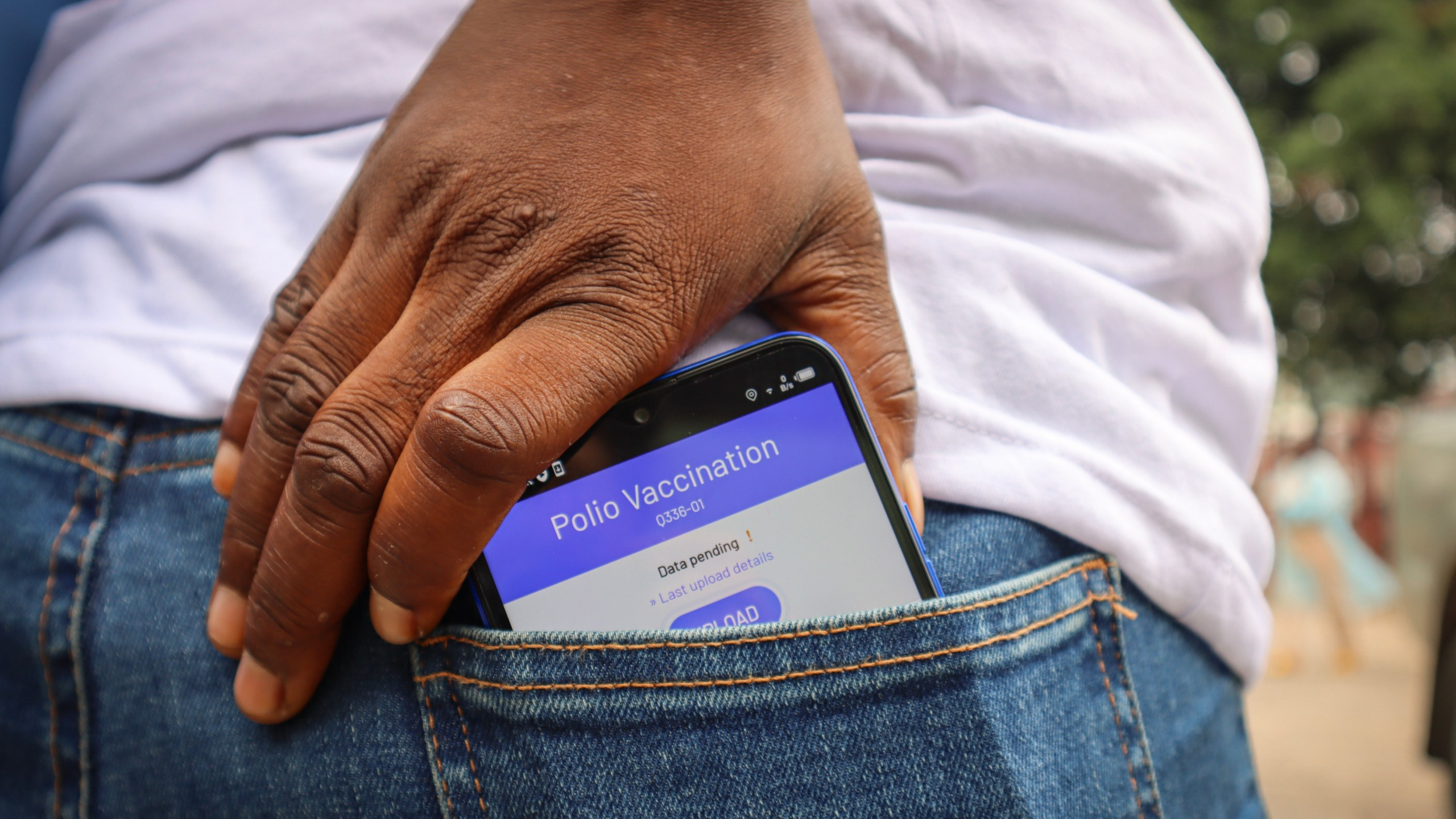
    Brazzaville—Every week, the polio eradication programme at the World Health Organization (WHO) Regional Office for Africa receives surveillance and operational data from the region’s 47 countries. From poliovirus detections and laboratory results to vaccination campaign coverage and health facility visits, this information is essential to guiding outbreak response and reaching every child. But with growing volumes of data spread across different platforms, turning information into actionable insights has not always been straightforward.

    Until recently, producing a district-level map or country summary often involved several manual steps: locating datasets, cleaning and combining information, and generating maps, charts and reports. During an outbreak, teams could spend valuable time waiting for an analyst to provide the information they needed to make decisions.

    The WHO Africa’s Geographic Information Systems (GIS) Centre is changing this through the integration of AI into its operational dashboards. Instead of navigating multiple databases or relying on technical expertise, programme officers can now ask questions in plain language and receive relevant maps, charts or tables directly from the dashboards.

    For example, an officer can request a breakdown of circulating variant poliovirus type 2 (cVDPV2) detections by district in a specific country since January 2026. The system retrieves the relevant information and presents it in an accessible visual format, allowing users to explore trends by location, reporting period or virus type. The Poliovirus Detection Dashboard also features an AI-powered query function that generates written summaries from current and archived records, supported by relevant figures. This reduces the time spent on manual data extraction and reporting, allowing teams to focus more on interpreting findings, verifying information and following up on priority areas.

    “AI-supported analysis is enabling the program to strengthen the monitoring of poliovirus detections and analysis of vaccination coverage and campaign quality while also enhancing surveillance monitoring through the Integrated Supportive Supervision (ISS) and eSURV Visits. By bringing together data across the different interventions, the program is able to identify potential surveillance gaps and identify areas with suboptimal campaign performance requiring closer attention and follow-up,” says Dr Kebba Touray, Head of the WHO Africa’s GIS Centre.

    Similar capabilities are being extended to campaign monitoring, helping programme teams identify delayed supplementary immunization activities (SIAs), understand reported reasons for delays and address operational bottlenecks.

    As the world marks GIS Day on 18 November, these innovations reflect how GIS is evolving beyond traditional mapping. By combining geographical information with AI-powered analysis, WHO AFRO is helping public health teams move from simply visualizing where cases occur to identifying patterns, understanding gaps and determining where action is needed most.

    AI does not replace epidemiological expertise or human verification. Rather, it gives health professionals faster access to information, enabling them to make better-informed decisions and respond more effectively to public health threats.

    This GIS Day, WHO Africa highlights the growing role of geospatial innovation in advancing polio eradication. Because behind every map, dataset and analysis is a shared objective: ensuring that the right information reaches the right people at the right time to help protect every child from polio.

    Explore WHO AFRO’s operational dashboards:

    • Poliovirus Detection Dashboard
    • ARCC Recommendation Tracker
    • RRT Consultant Tracking Dashboard
    Views: 35

    GPEIHow helping polio reinforce surveillance
    Share. Facebook Twitter Pinterest LinkedIn Tumblr Email
    Justus Akamin
    • Website

    Related Posts

    The 5th International Conference on Public Health in Africa (CPHIA 2026)

    November 17, 2026

    Education in Headache to Healthcare Professionals in Africa (EHHPA) 2026 webinar

    November 16, 2026

    Africa’s strongest military and 6 other nations join Arab League’s backlash against Israel after fresh Gaza attack

    November 16, 2026
    Leave A Reply Cancel Reply

    Search
    Latest Post

    A 13-year-old boy travelled from South Africa to England for a five-day visit but stayed beyond his return date; a year later, the Court of Appeal dismissed appeals by both him and his father…

    November 18, 2026

    School assembly news headlines today- November 19: Top national, sports and world news curated for you

    November 18, 2026

    Adhesion across Europe – EURADH and the FEICA Adhesion Innovation Award

    November 18, 2026

    West Africa’s growth outlook draws support from local demand: Report

    November 18, 2026

    Scientists studying a 200-million-year-old skull in South Africa have named a new dinosaur species whose young already weighed about 400 kilograms; microscopic bone evidence suggests the animal was…

    November 18, 2026

    Subscribe to Updates

    Get the latest creative news from FooBar about art, design and business.

    • Facebook
    • Twitter
    • Pinterest
    • Instagram
    • YouTube
    • TikTok
    ABS TV and ABS Network News is a leading Pan-African 24/7 broadcasting network delivering nonstop news, talk shows, lifestyle programs, and digital media content worldwide through Satellite, Streaming Platforms, and Roku TV.
     
    Based in the United States, we connect Africa to the world while empowering creators, journalists, and brands through innovative media and broadcasting services.
    Facebook X (Twitter) Pinterest WhatsApp Instagram

    Our Picks

    Travel

    A 13-year-old boy travelled from South Africa to England for a five-day visit but stayed beyond his return date; a year later, the Court of Appeal dismissed appeals by both him and his father…

    World News

    School assembly news headlines today- November 19: Top national, sports and world news curated for you

    Africa News

    Adhesion across Europe – EURADH and the FEICA Adhesion Innovation Award

    Most Popular

    Features

    West Africa’s growth outlook draws support from local demand: Report

    Trending

    Scientists studying a 200-million-year-old skull in South Africa have named a new dinosaur species whose young already weighed about 400 kilograms; microscopic bone evidence suggests the animal was…

    Breaking News

    Holy Ground, Unholy Hardship And Tinubu’s 2027 Headache

    © 2026 Copyright. All Rights Reserved by ABSAFRICATV
    • Privacy Policy
    • Terms of Services

    Type above and press Enter to search. Press Esc to cancel.

    We use cookies to ensure that we give you the best experience on our website. If you continue to use this site we will assume that you are happy with it.