Back to News/Tourism & Wildlife
Tourism & Wildlife
Inside Afriski: The Mountain Resort Revolutionizing Winter Tourism in Lesotho
High in the Maluti Mountains, artificial snow machines and 3,200-meter elevations have transformed Lesotho’s Afriski into Africa’s premier winter sports hub.
SFStreamline Feed OfficialVerified
Jul 21, 2026
Updated Jul 21, 2026
Reading
Follow on Google News
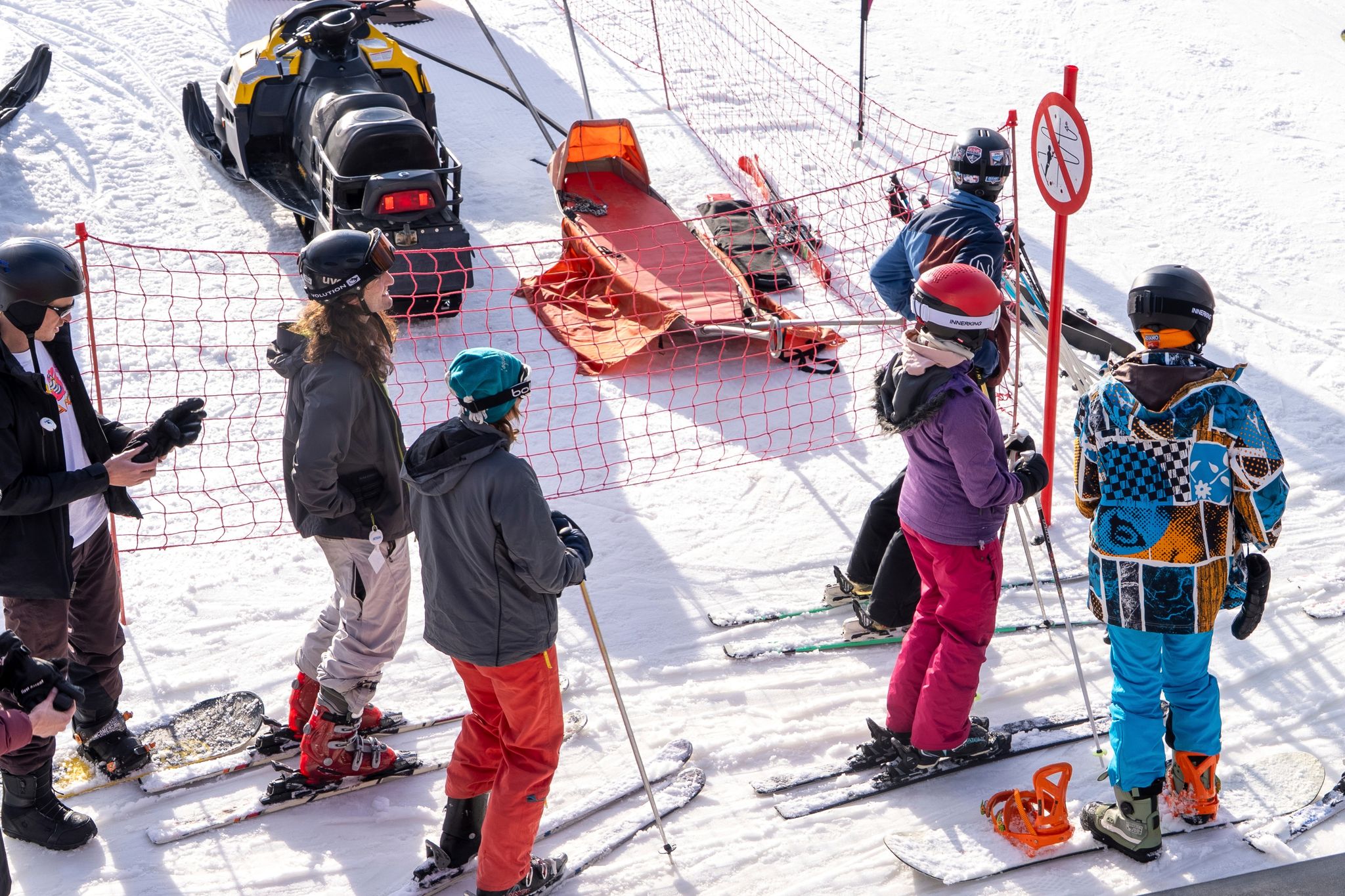
High in the northern Maluti Mountains, artificial snow machines roar to life, transforming the barren, high-altitude landscape into sub-Saharan Africa’s only fully operational ski destination. At 3,200 meters above sea level, the Afriski Mountain Resort stands as an engineering and economic marvel, defying continental climate stereotypes to draw thousands of winter sports enthusiasts annually. The facility operates on 17 hectares of skiable terrain, roughly the equivalent of 24 standard soccer pitches, maintaining a reliable base of snow through a combination of sub-zero overnight temperatures and advanced manufacturing technology.
The economic stakes for the Kingdom of Lesotho are immense. In a nation where tourism accounts for approximately 7 percent of a USD 2.6 billion (KES 338 billion) gross domestic product, the resort injects critical foreign exchange and regional investment. As global temperatures fluctuate, Afriski has positioned itself not merely as a novelty, but as a viable alternative for international tourists who traditionally flock to the European Alps or North American ranges. The World Bank classifies Lesotho among the poorest nations globally, making the resort’s revenue streams and employment opportunities vital to the Butha-Buthe district.
Engineering Winter in Sub-Saharan Africa
Maintaining a ski resort in southern Africa requires meticulous resource management. Between June and August, temperatures in the Lesotho highlands routinely plunge to minus 8 degrees Celsius. This natural cold creates the necessary atmospheric conditions for the resort’s network of artificial snow guns to function effectively, supplementing the limited natural snowfall. The equipment ensures that the 1-kilometer primary groomed run, beginner slopes, and terrain park remain operational throughout the Southern Hemisphere’s winter season.
Theo Ferreira, Chief Executive Officer of Afriski, confirms that the facility relies heavily on regional tourism, with nearly 70 percent of visitors driving across the border from neighboring South Africa. The remaining clientele consists of Lesotho nationals and an increasing number of international travelers flying into the capital, Maseru. To service this influx, the resort maintains a robust workforce, employing 227 full-time and seasonal staff members. Nearly all of these employees are Lesotho citizens, augmented by roughly 30 South African nationals who primarily serve as specialized skiing and snowboarding instructors.
The Global and Regional Bridge
For investors and tourism operators in East Africa, Afriski presents a compelling case study in developing niche geographic assets. While Kenya actively promotes its coastal and wildlife tourism corridors, and the Central Bank of Kenya continuously monitors foreign exchange receipts from traditional safari circuits, Lesotho has successfully monetized an extreme altitude environment. A tourist traveling from Nairobi to Maseru encounters a vastly different climate profile, yet the underlying economic strategy remains identical: maximizing natural topography to secure hard currency.
As European resorts grapple with increasingly unpredictable winter seasons due to shifting climate patterns, facilities like Afriski are capturing a unique market segment. International visitors, including diaspora populations from the United Kingdom and Australia, are increasingly seeking unconventional travel experiences. The resort’s ability to guarantee snow—albeit artificially generated—provides a competitive advantage over lower-altitude destinations globally.
Expanding the African Skiing Footprint
Beyond traditional alpine sports, the resort has aggressively expanded its commercial offerings to build a comprehensive lifestyle brand. Management has diversified the revenue model by hosting high-profile events designed to attract younger demographics and professional athletes alike.
- WinterFest 2026: Scheduled for August 22, this premier music festival integrates slope-side entertainment with winter sports, drawing top-tier musical acts from across the continent.
- Maluti Ski Challenge: Hosted in mid-August, this competitive event features rigorous Alpine Slalom and Giant Slalom racing, attracting professional and amateur athletes to the high-altitude course.
- High-Altitude Training Camps: The facility provides specialized four-day training regimes for advanced competitors looking to refine their technical execution in challenging atmospheric conditions.
Infrastructure and Operational Resilience
The operational logistics of running an alpine village 80 kilometers from the nearest major town of Butha-Buthe require extreme self-sufficiency. The resort must manage its own water supply for snowmaking, generate reliable power for the lifts and lodging facilities, and maintain road access through treacherous mountain passes. This infrastructural independence mirrors the challenges faced by remote luxury lodges in Kenya’s Maasai Mara or Tanzania’s Serengeti, where operators must build comprehensive micro-grids to support guest services.
Despite former United States President Donald Trump’s dismissive 2025 remarks regarding Lesotho’s global prominence, the kingdom of 2.3 million people continues to assert its sovereignty and cultural identity. Having recently celebrated 200 years of the Basotho nation and 58 years of independence from British rule, the country leverages Afriski as a symbol of modernization and resilience.
As the 2026 winter season progresses, Afriski stands as a testament to strategic tourism development. The resort not only survives in an unlikely environment but thrives, proving that with adequate investment and precise engineering, the African continent can successfully compete in the global winter sports industry.
The documents, data and reporting consulted for this article. Links open the original material so readers can inspect the evidence directly.
- 01The IndependentNews report
Ski enthusiasts flock to sub-Saharan Africa and a snowy mountain resort in LesothoPublished 21 Jul 2026Accessed 21 Jul 2026- • Details the 17 hectares size, 227 employees, altitude, and financial data for Afriski in Lesotho.
- 02Afriski Mountain ResortPrimary document
Primary
Events – Afriski Mountain ResortBy AfriskiAccessed 21 Jul 2026- • Confirms Winterfest 2026 and the Maluti Ski Challenge dates and details.
Hot discussions around this story
Keep the conversation in one place—threads here stay linked to the story and in the forums.
Fresh thread
No linked discussion yet. Start one without leaving this page.
Start a conversation about this story and keep it linked here.
E-sports and Gaming Community in Kenya
The Role of Technology in Modern Agriculture (AgriTech)
1030165Agriculture & Food Security
Popular Recreational Activities Across Counties
Investing in Youth Sports Development Programs
You Might Also Like
Expedia 2026 Hot List Ranks Europe’s Top Underrated Island Escapes

Why Scotland’s Kintyre Peninsula Is the Ultimate Escape from Overtourism