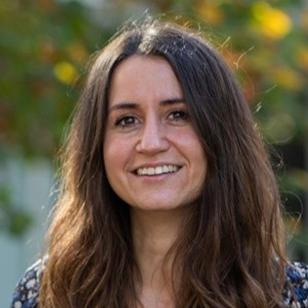
In this spotlight interview, UNSSC’s Michela Berta interviews Raquel Leandro, Youth Empowerment Specialist for the United Nations Development Programme (UNDP) Regional Service Center for Africa (RSCA). The conversation delves into the critical importance of strengthening UNDP staff capacities for designing youth-responsive programmes in the civic and political spheres throughout the Sub-Saharan African region and how it culminated into the Advanced Regional Programming Training on Youth’s Civic and Political Participation for Sub-Saharan Africa Raquel shares insights into why this work is particularly relevant today, the innovative approaches UNDP is adopting in partnership with the United Nations System Staff College, and how emerging trends—including digitalization and youth-led movements—are shaping the future of youth participation across Africa
Michela: From your perspective, why is it important for UNDP to strengthen capacities to enable youth civic engagement and political participation across the African region? And what trends are you currently observing that make this work particularly relevant at this time?
Raquel : Our role is to provide programmatic and policy support to 46 country offices, as well as working with the the African Union Commission and Regional Economic Commissions. We identified a gap: while colleagues understand the importance of youth civic and political participation, translating this knowledge into effective programming remains challenging. This need led UNDP to partner with the United Nations System Staff College to jointly organize this training. The initiative is especially timely, as youth are increasingly demanding formal engagement in decision-making processes and public life, even as civic space is shrinking. We also observe that youth are turning to protest movements to have their voices heard and call for public policies to be youth responsive. Additionally, digitalization and AI are becoming central, with youth often leading these developments. Therefore, any approach to youth civic and political participation must also address digital and AI trends.
Michela: in your view, how did this tailored UNSSC course respond to a specific learning gap identified within UNDP in Africa? Why was this type of advanced training timely for your teams and country office colleagues?
Raquel : This advanced training was timely because it addressed a specific knowledge gap identified by our teams and country offices in Africa regarding effective youth programming. The collaboration between UNDP and the UN Staff College allowed us to design a course that directly met this need. Given recent developments, including the rise of Gen Z and youth-led movements in 2025, every UNDP country office in Africa is now seeking more integrated approaches to working with youth, making this training especially relevant.
The strong demand for this training was evident: we initially planned for one cohort of 20 to 25 participants but received over 60 applications. As a result, we organized a second cohort. This high level of interest demonstrates the ongoing need for such capacity building.
Michela : Indeed, we received so many applications among the two cohorts. In this regard, what aspects of this advanced regional course made it particularly available for UNDP Regional Service Centre for Africa compared to other capacity building initiatives on youth, civic and political participation? And which elements of the design or facilitation were most impactful for your colleagues?
Raquel : The key strength of this course was its practical focus on designing initiatives, including by covering conflict and situation analysis, and planning with youth as co-creators. The session on enhancing co-creation with youth, for example, was particularly well received. The course also addressed how to involve youth in monitoring, evaluation, and reporting processes, moving beyond theory to practical application – which I think is what participants appreciated most. The course dynamic and interactive format kept participants engaged, even in an online setting. Additionally, the inclusion of both English and French closed captions and working groups made the course more inclusive, recognizing the diverse linguistic backgrounds of participants. These elements set this training apart from others and contributed to its success.
Michela: Looking ahead, what do you see as the next priorities for strengthening youth civic and political participation in the African region and how can continuing capacity building help advance these goals?
Raquel : In my opinion, one gap I see is in the digital sphere – digital platforms, AI, and media engagement are becoming increasingly central to how young people engage civically and politically, and capacity building needs to keep pace with that shift. This means focusing on digital and media literacy as tools for civic engagement, as well as addressing hate speech, misinformation, and disinformation, while also promoting positive narratives that support meaningful youth participation. This is especially relevant given that more than 20 elections are expected across Africa in 2026.