

[ad_1]
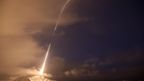
As we all now know, this alarming chain of events did not end in catastrophe. For all the heightened tension, the story ended up as a light-hearted item at the end of that evening’s late news programme, complete with Tom Lehrer’s blackly comic song We Will All Go Together When We Go (“… all suffused with an incandescent glow”).
The BBC’s Newsnight presenter Jeremy Paxman noted: “Before we go, we should report that nuclear war did not break out today, despite the best efforts of a Russian news agency. At 13:46, reports began coming in quoting the Moscow news agency Interfax that Russia had shot down an incoming missile. Reporters, thinking they were about to have ringside seats for Armageddon, immediately called the Ministry of Defence. A stirred but unshaken spokesman boldly asserted: ‘I am confident that the British have not fired any missiles at Russia.'” A Pentagon spokesperson was none the wiser, saying, “All we have is reports of reports.”
World currency markets wobbled, while politicians, military chiefs and journalists spent a frantic hour scrambling for information. At 14:52 GMT, the people who were aware of the potential crisis could breathe again. Interfax corrected its report to say that – although Russia’s early warning system had registered the launch of a missile – the rocket had landed in Norwegian territory.
Later, a defence official in Norway confirmed the launch was made in peace. It had been part of a routine scientific research programme at a civilian rocket range and was aimed at gathering information about the Northern Lights, the unique weather phenomenon otherwise known as the aurora borealis. The rocket landed as planned in the sea near the remote Arctic island of Spitzbergen, well short of Russian air space. Hours after the report was known to be false, unnamed Russian defence sources told Interfax it was “too soon to tell” if the launch was intended to test their early-warning radar system.
[ad_2]
Source link
